—
메타크리틱
1개
DLC
Steam
플랫폼
캐주얼, 인디
장르
Some games let you escape your life. Remember to Die makes you live through one. You begin as a child. You end (if you're lucky, or clever) somewhere beyond the natural order of things. What happens in between is yours to piece together, one fragment at a time.
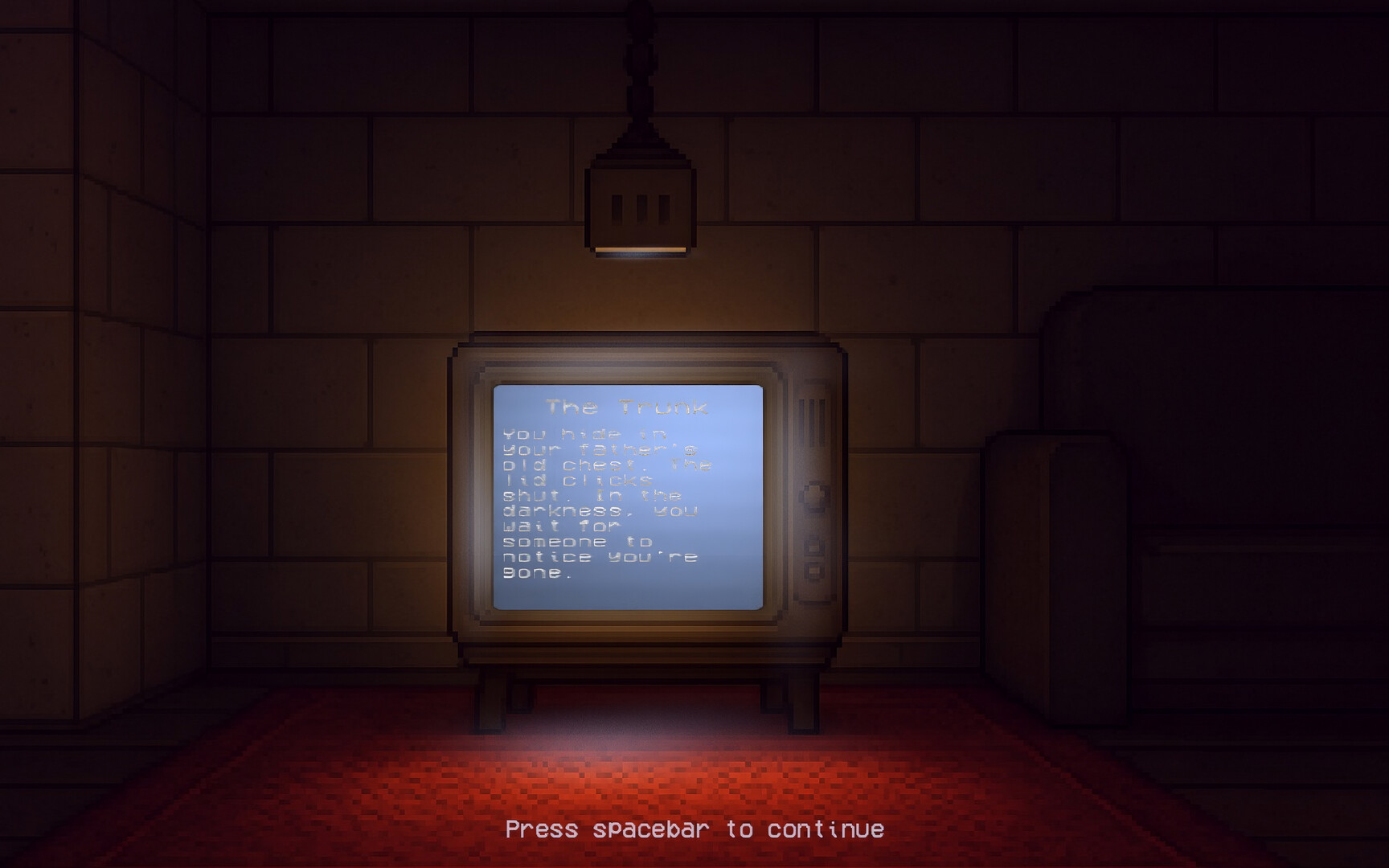
Remember to Die is a tactical dice roguelike set across a human lifetime. Each chapter brings three enemies drawn from the challenges life throws at you, and, a choice. After each battle, collect a memory fragment: a version of events, real or imagined (you'll have to piece this together). But the truth isn't always painful, and a lie isn't always kind. What matters is what you choose to remember, and what that choice makes you.
Three fragments combine after each boss into a core memory. Pure cores are born from harsh truths, Corrupt cores are patched together in fantasy and offer solace, or something darker. Tainted and Broken cores sit somewhere between. Each core offers buffs, some with strings attached; strength that costs you something.
Over one billion possible combinations across a full run. No two lives play exactly the same.
Your first runs will be hard. A vanilla loadout against a world that doesn't pull its punches is a lesson in humility.
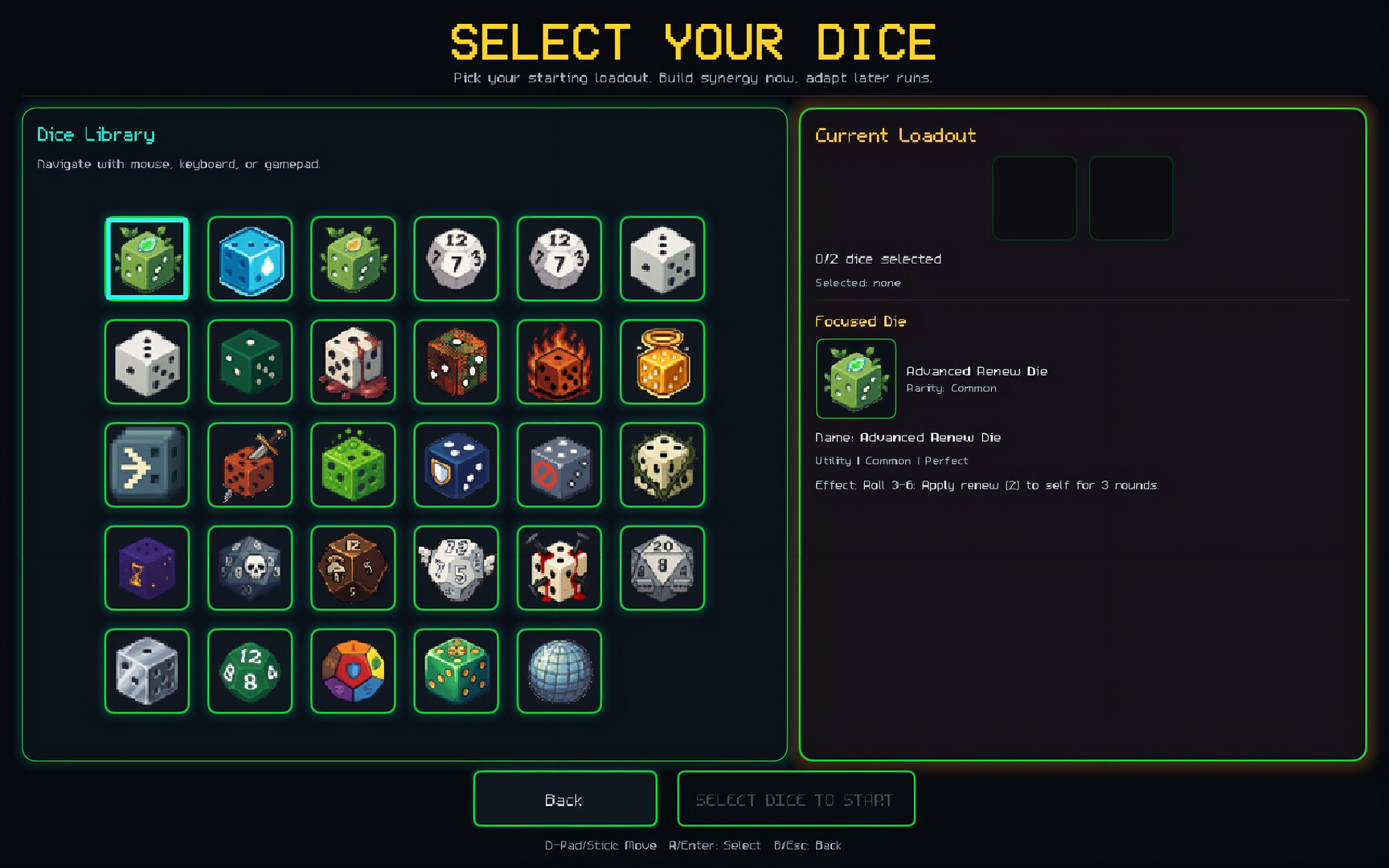
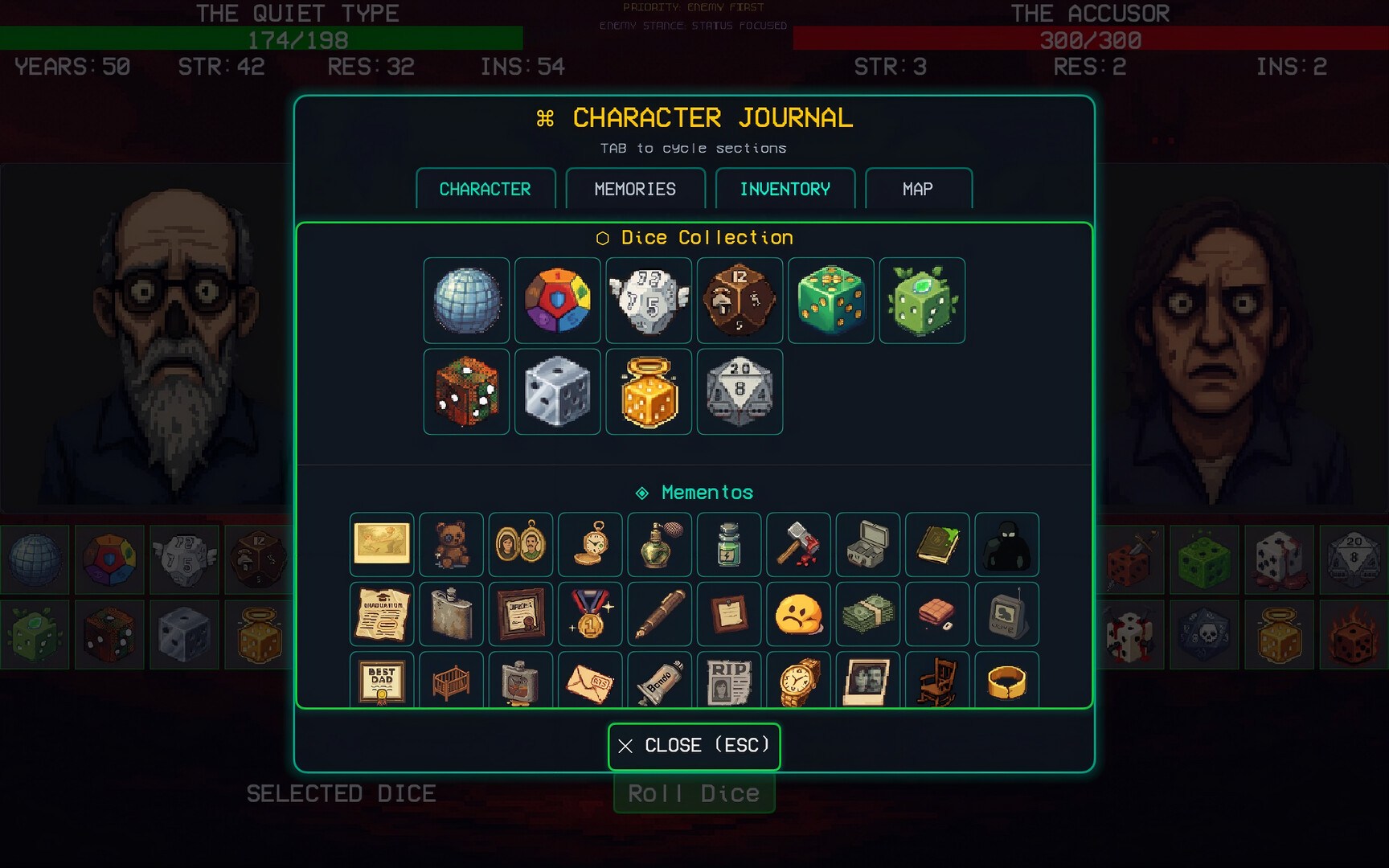
But the meta-game rewards persistence. Dice drop permanently from bosses and build your collection across runs. Common dice form the backbone. Rare dice open combinations you didn't see coming. Relics shift the game's logic around a single powerful idea. And then there are the legendaries — a handful exist, and finding one changes a run entirely. 32 dice, permanent unlocks that grow your arsenal across every run. See a duplicate die and keep it, it refines, then perfects, growing stronger each time you commit to it.
Unlock the full potential of your dice with over 112 Mementos, lore-rich items that help you to lean into builds that feel almost unfair: buff your enemies and stack resilience then rely on thorns to punish enemies, focus on insight for hard hitting DoTs with items extending their duration, experiment with reflect and death dice to roll the dice for instant gratification, or use self-damage to buff you into the stratosphere (plus thorns!?) - the choice is yours.
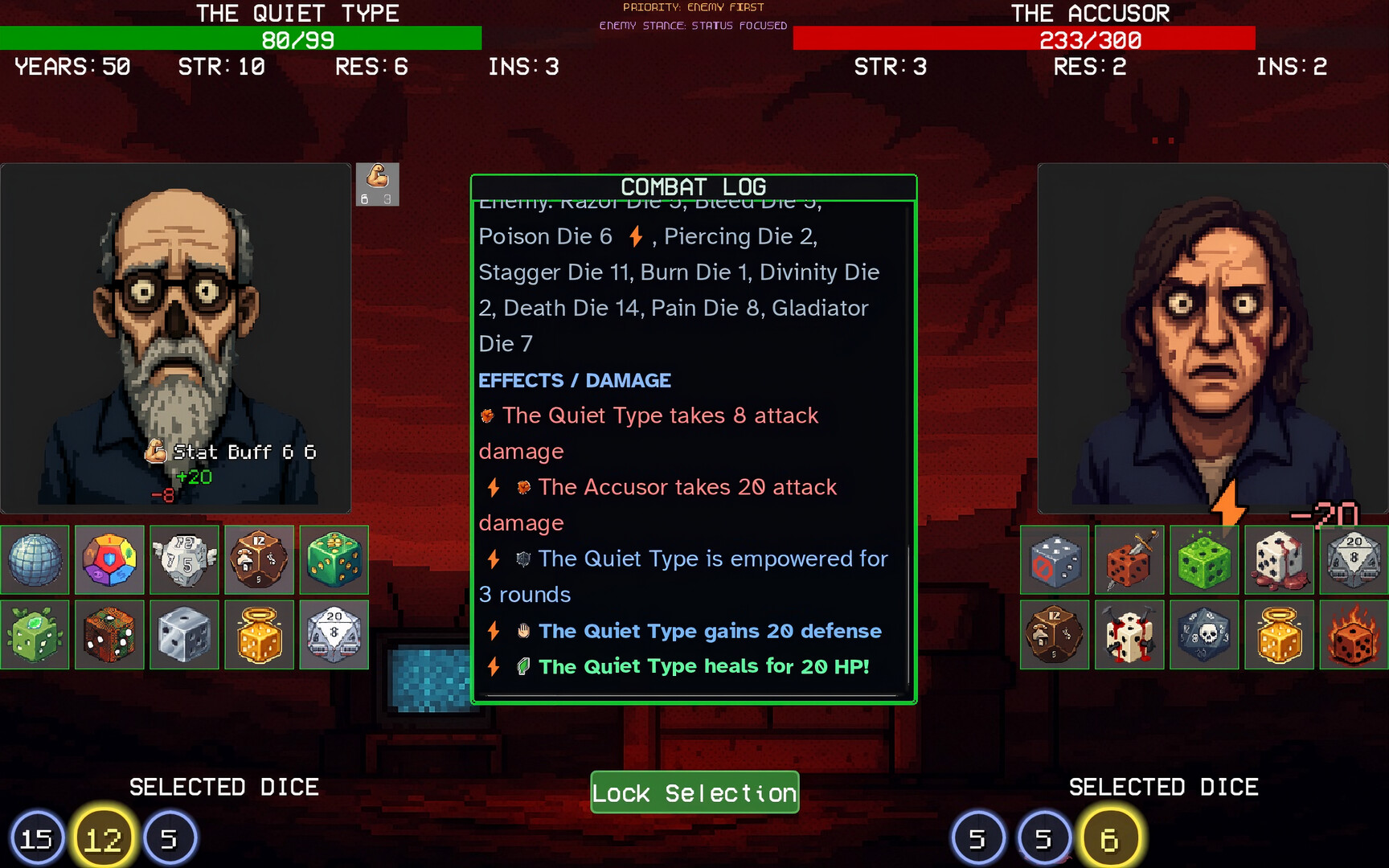
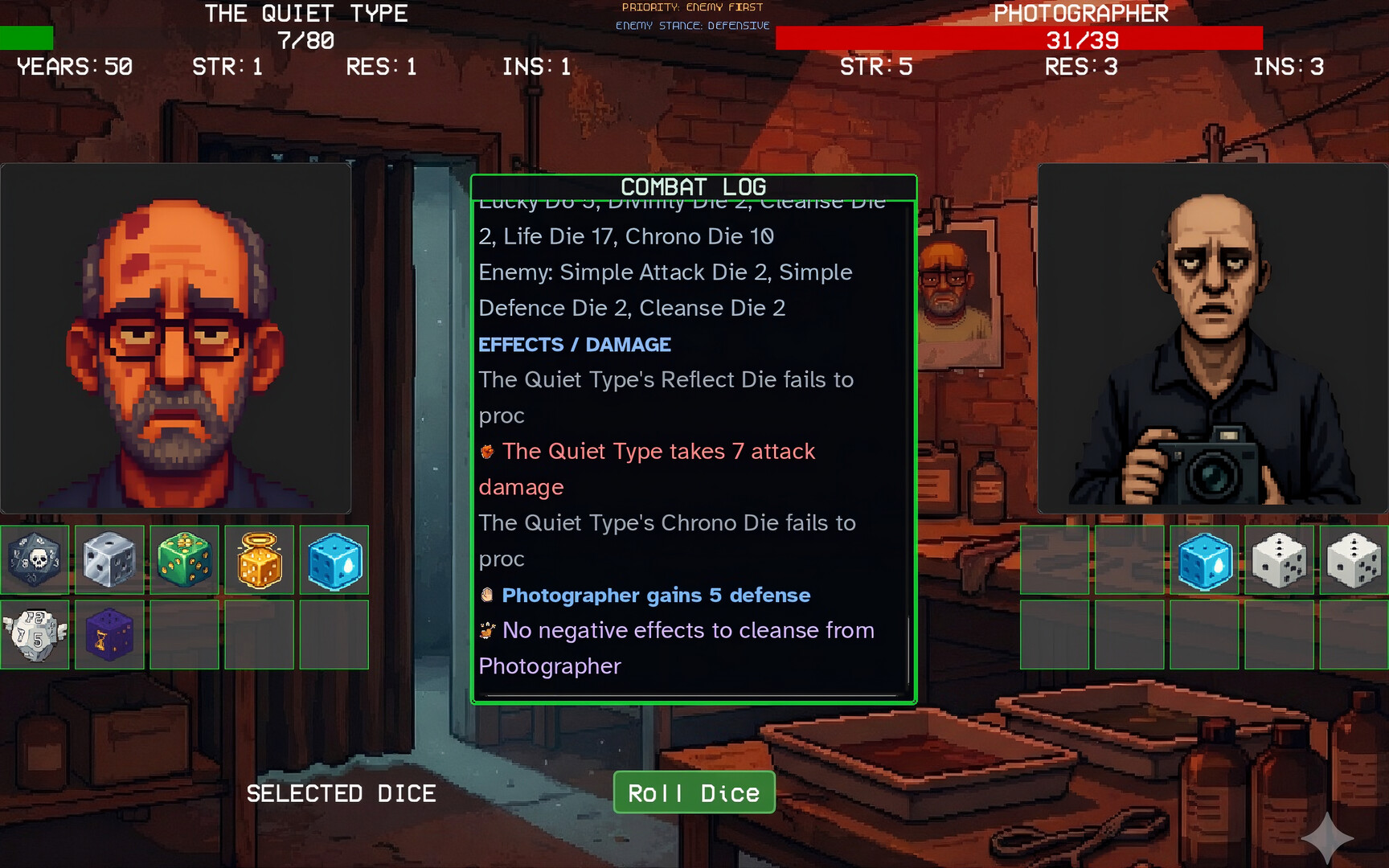
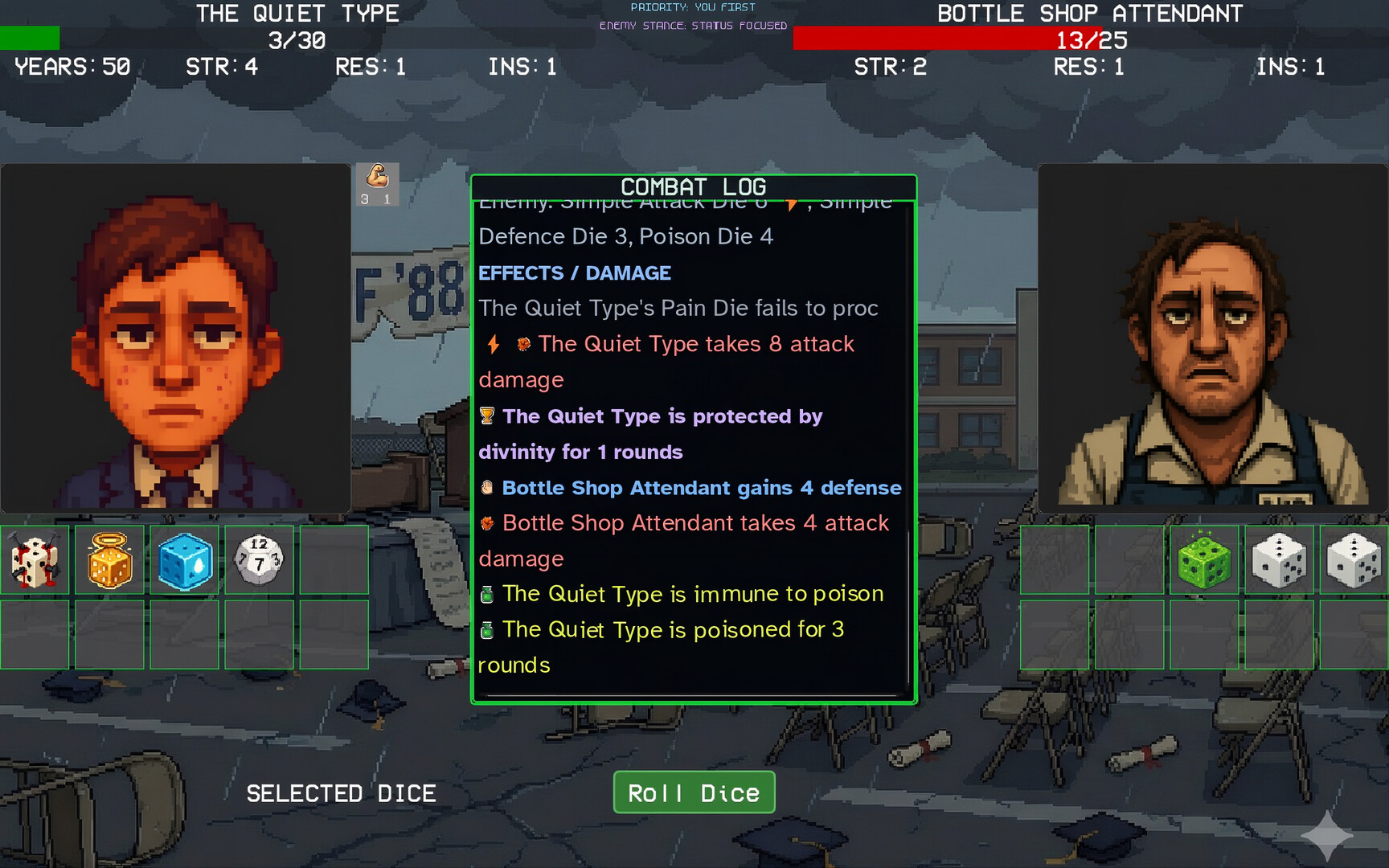
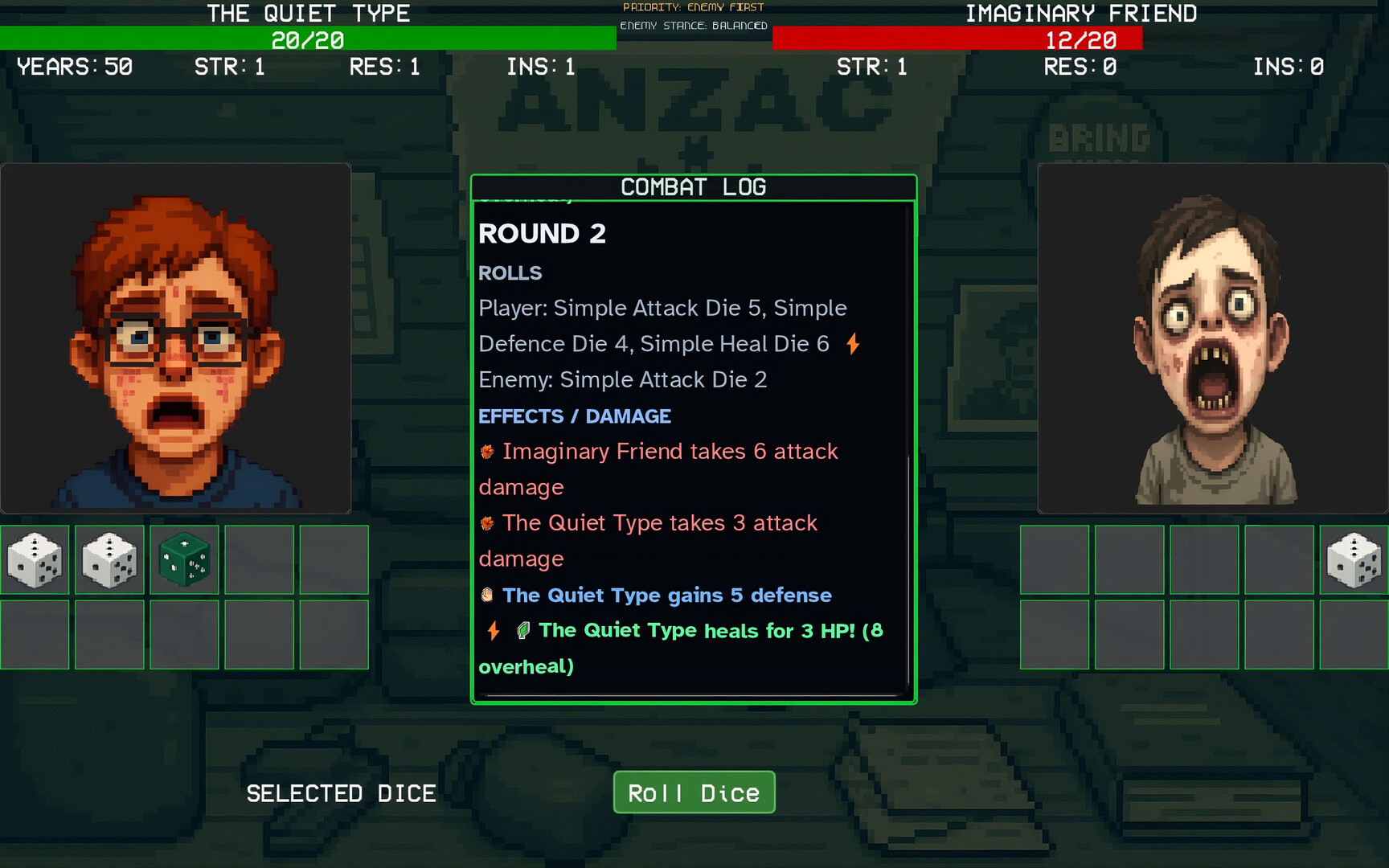
The systems are classic RPG at heart: hits, crits, dots, heals, shields, burn, bleed, poison, stagger, cleanse, buffs. But the combinations are anything but standard. Finding a build that shouldn't be legal and watching it work is half the game.
Achievements also unlock new dice and items. Master the game's deepest win conditions and you'll unlock something else too: fractured versions of yourself, each carrying different starting stats and items, each with their own relationship to the truth.
Every memory fragment you take costs years of your life. Every chapter transition costs ten. There are ways to claw time back, but they require planning, sacrifice, and occasionally some luck with the dice.
Run out of years before you reach the end and you die of old age. Not in combat. Not to a boss. Just quietly, out of time, the way most lives end.
A failed run can be over in minutes. A perfect build (every memento chosen with intention, your dice refined and humming) carries you through a full life in around forty minutes. Tight enough for a lunch break. Replayable enough that you'll want another life immediately after.
Beat the final boss and the game doesn't end. New Game+ opens, and four additional chapters become possible — each unlocking under specific conditions, each taking the story somewhere the standard ending doesn't go.
Without spoiling what waits beyond the natural conclusion of a life: the game accounts for the possibility that death isn't the finish line.
Remember to Die was designed with Steam Deck in mind from the ground up, full gamepad support, touch controls, and a UI built to read cleanly on a handheld screen. Pick it up anywhere.
Remember to Die was built solo using tech (yes, including AI) as a creative instrument, every part of this game was designed with intent by a human brain (often in the small hours of the morning) - the tools just made the dream possible. No jobs were lost making this game, but a door was opened to what I hope you find to be a grounded and addictive game.
If you've ever had a memory you weren't sure was real, this game was made for you.