—
메타크리틱
0개
DLC
Steam
플랫폼
액션, 어드벤처
장르
출시 예정
플랫폼별 가격 비교
가격 히스토리
차트 로딩 중...
게임 소개
Milk Club is a third-person ARPG with flock control, creature collecting, and lite pet-sim management.
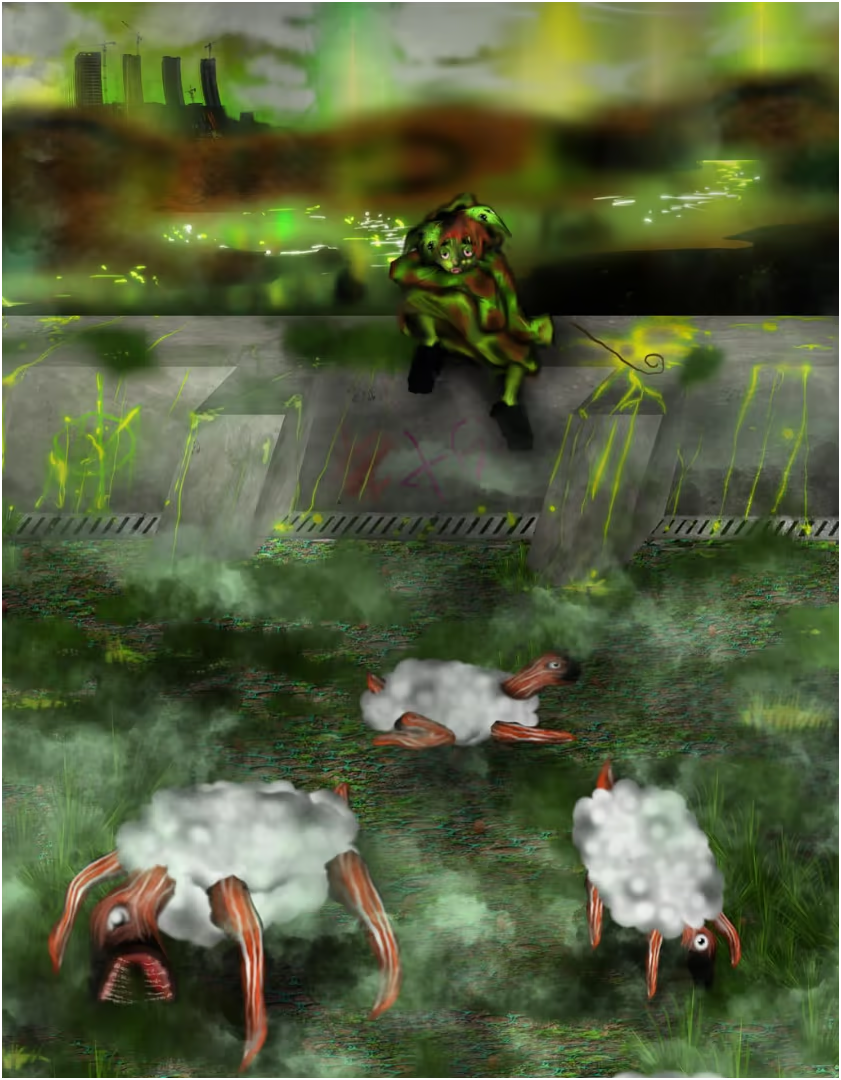
You play as a shepherd exploring an industrial wilderness with your flock of NiMALs - biomech animals grown from toxic waste and engineered bloodlines.
 World Analysis
The world of Milk Club takes place in Santosha, a synthetic habitat set inside a belt of factory megastructures.
Follow leaking pipelines, explore collapsing sewers, and search failing treatment plants. Herd your flock through fields and forests soaked in chemical runoff. The rotting infrastructure of Santosha continues to shape the terrain long after its collapse.
All pipes lead to the Shell, a restricted research facility at the center of Santosha. This R&D complex is the final stop in Santosha's waste treatment network, and the source of Boid Battle culture.
_________________________________________________________________________
NiMALs
In Santosha, NiMALs make up the highest percentage of mobile biomass.
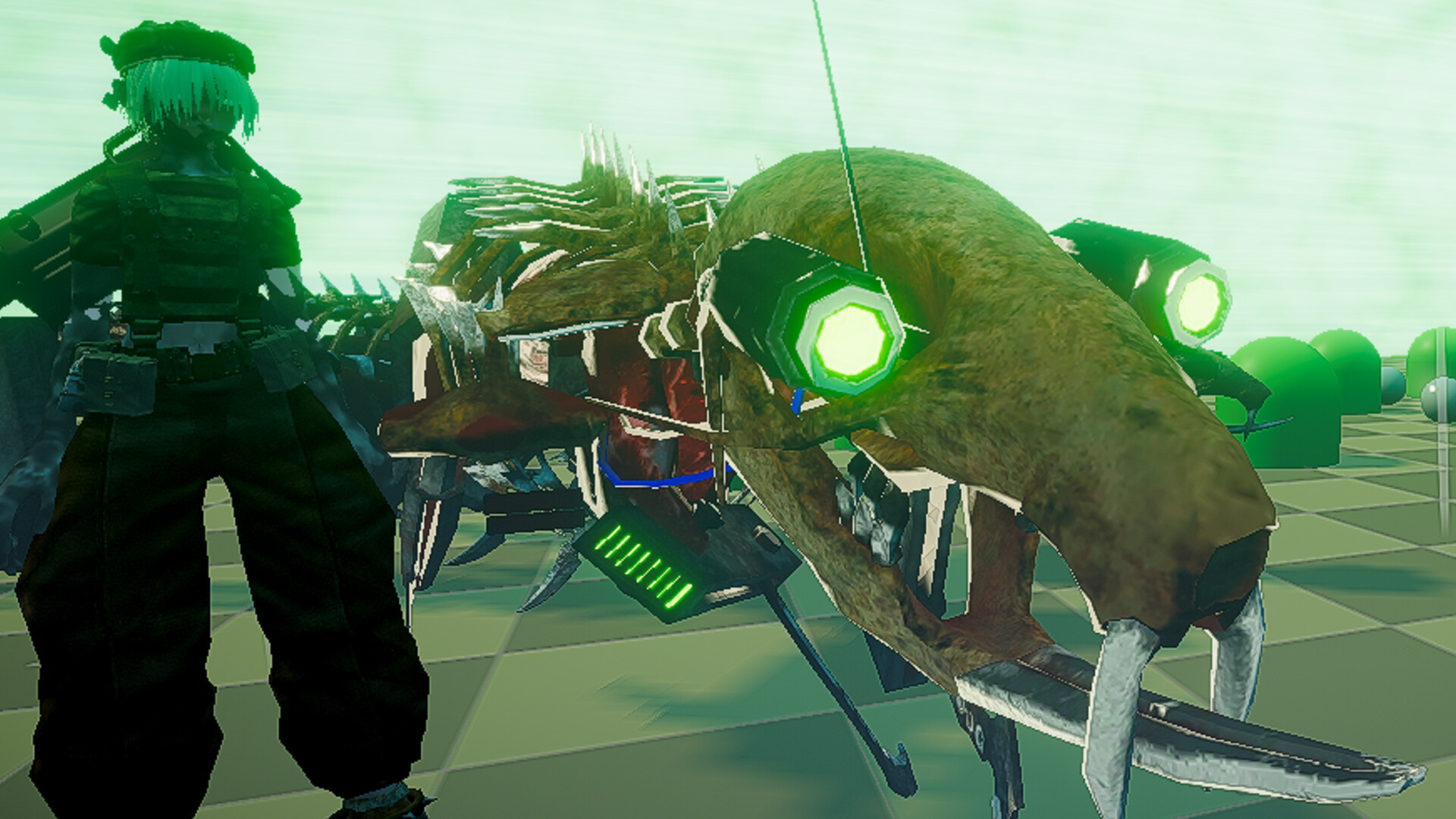
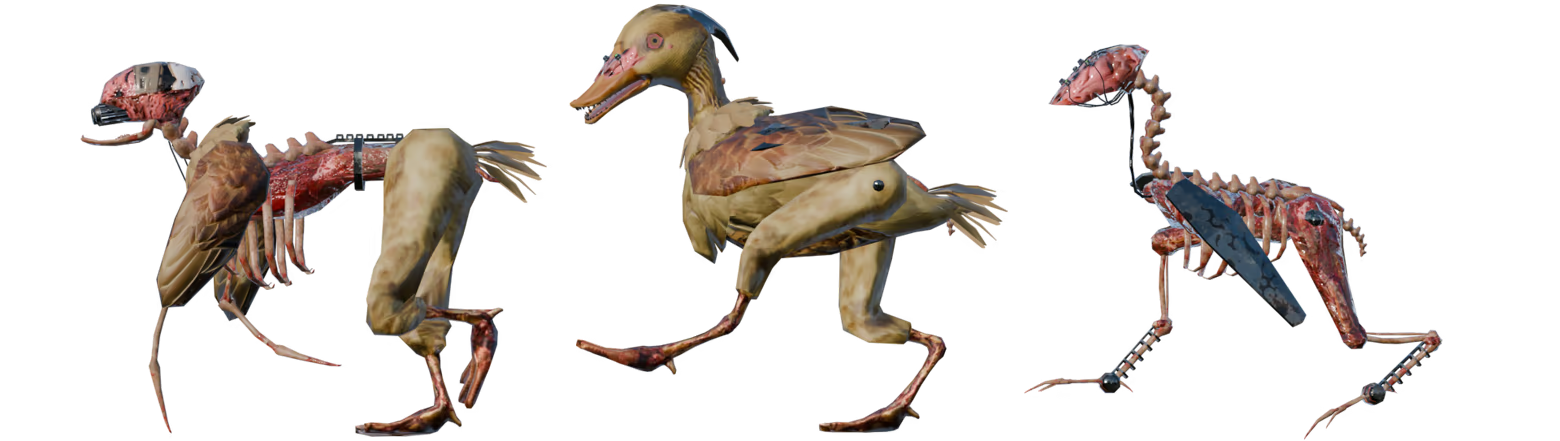
NiMALs are composite organisms consisting of contaminated meats and salvaged mechs through guided mutations. They are injected with one of four polluted blood types engineered for adaptation. They function as field operators with partial autonomy that excel in combat, extraction, and survival.
There are 200+ NiMAL types in the world of Milk Club. Each one belongs to a blood type extracted from the surrounding facilities and industrial systems. The four blood types are:
Crimson
Acid
Oil
Mercury
These blood types affect combat behavior, ecological tolerance, and faction identity. A NiMAL's blood type has advantages and disadvantages depending on what it is fighting and the terrain it is operating in.
NiMALs split into four classes:
Harvesters
Resource-producing units with low frontline priority. They generate materials, support progression, and sustain the larger flock economy.
Bouncers
Defensive units built for interception, protection, and formation stability. They absorb pressure, guard vulnerable units, and keep the flock from breaking under attack.
Soldiers
Primary attack units. They apply direct combat pressure, pursue targets, and provide offensive force.
Saints
Support and anomaly units. Their functions may include healing, shielding, disruption, confusion, sacrifice, or other irregular forms of field influence.
New NiMAL builds can be discovered by recovering lost data scattered across Santosha. Bring this data to a CRISPr to unlock blueprints and commission new builds for your flock.
Some NiMALs are capable of evolving up to two times, increasing their power and changing their behavior and form.
NiMALs are still living beings. They need to be cared for and looked after. They have various needs and emotions like hunger, happiness, sadness and can even get sick and die. It's up to you to make sure they are getting enough love and attention.
In Milk Club a flock is a living weapon. Each NiMAL alters how the whole system survives, fights, and evolves!
_________________________________________________________________________
Player Analysis
In Milk Club, you play as a outcast shepherd — a former conscript who defected to Santosha.
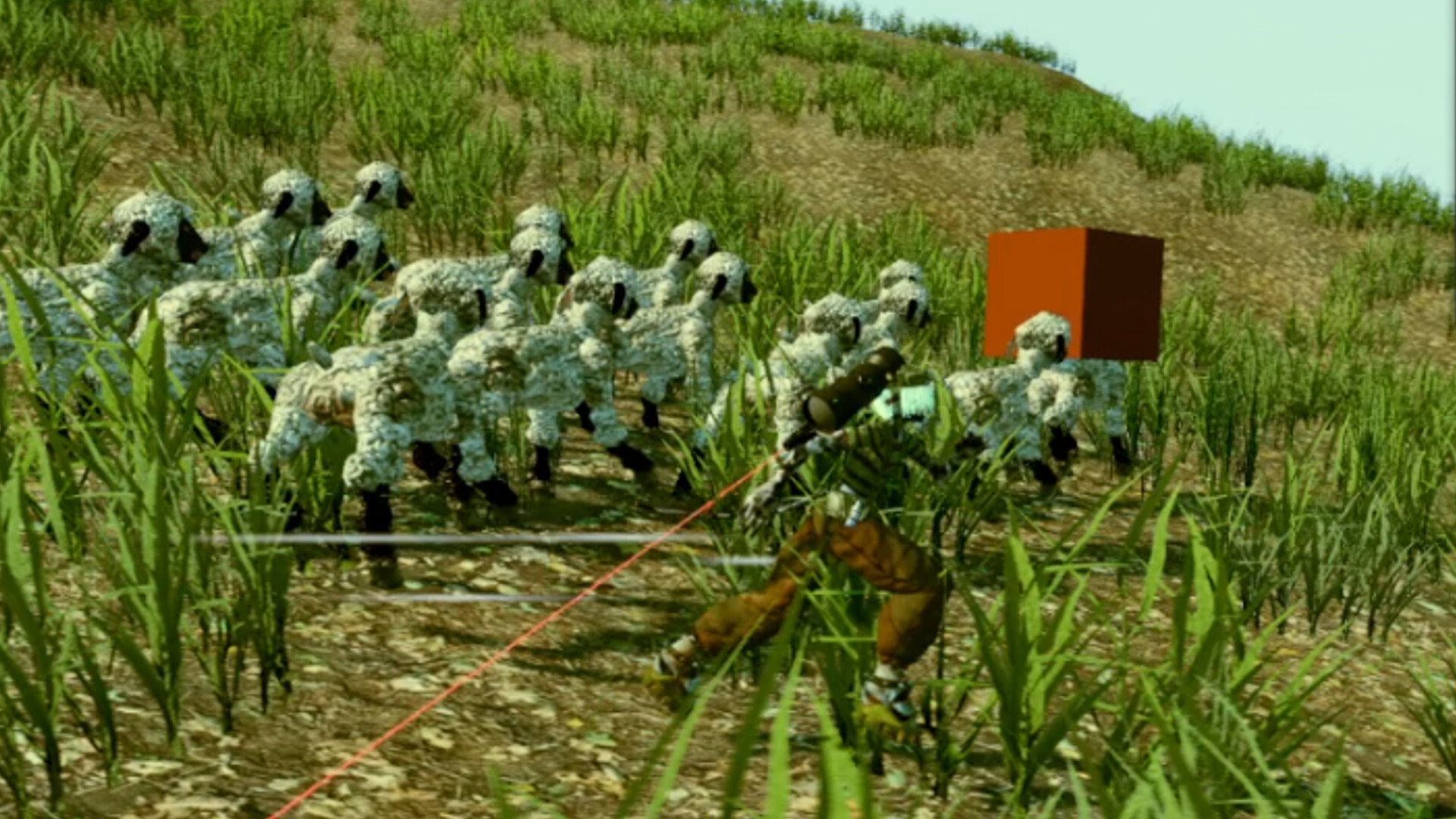
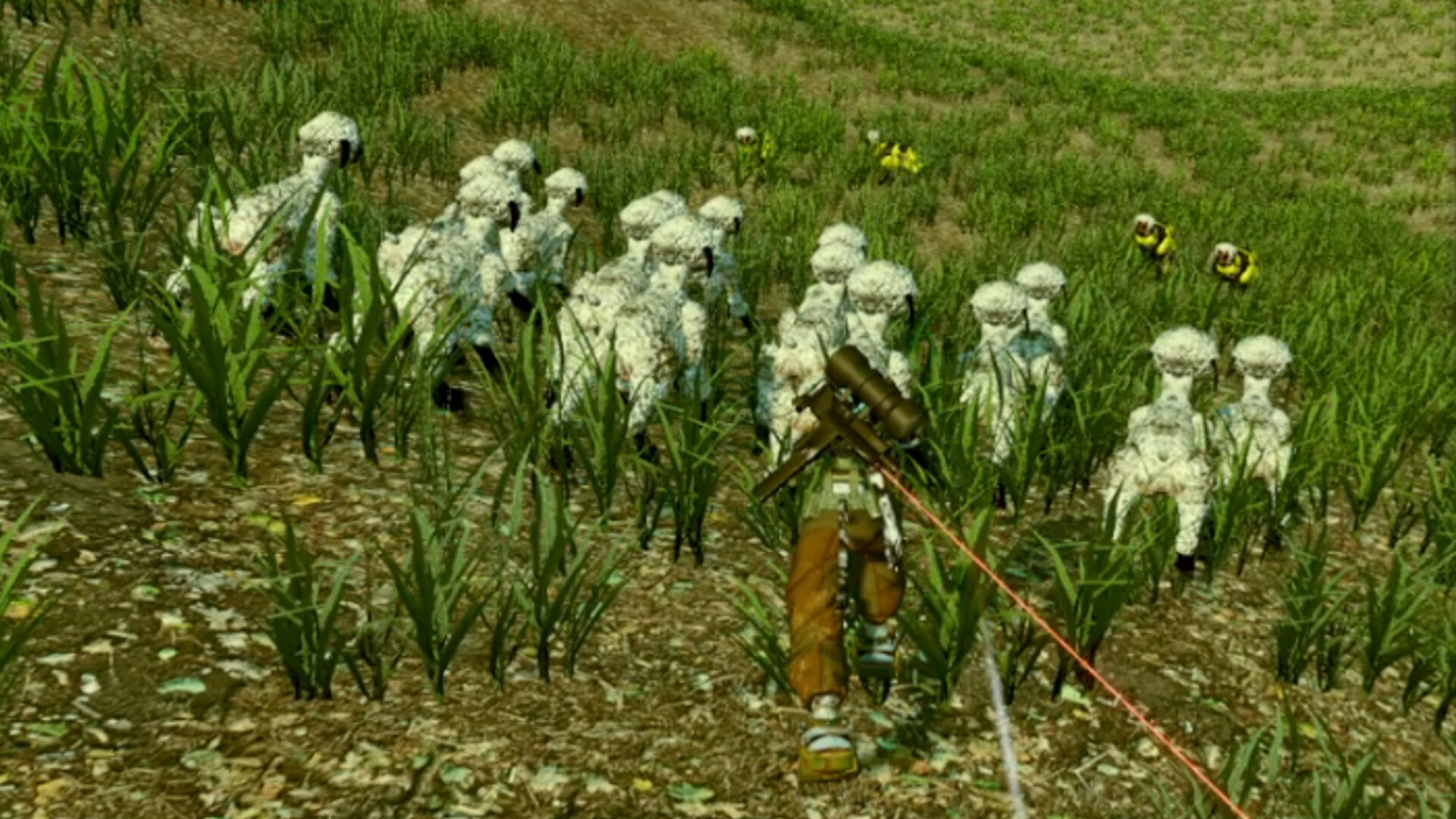
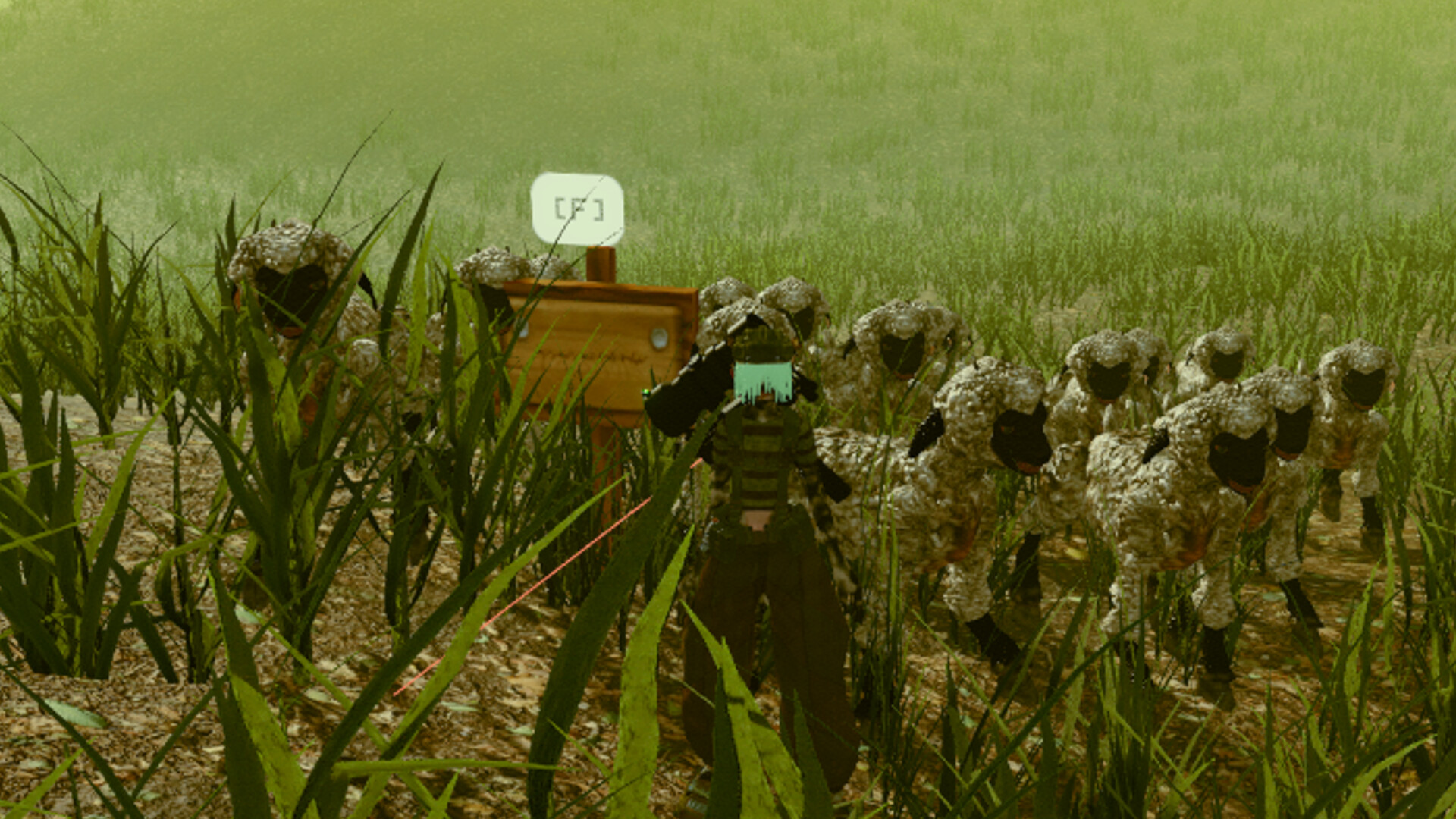
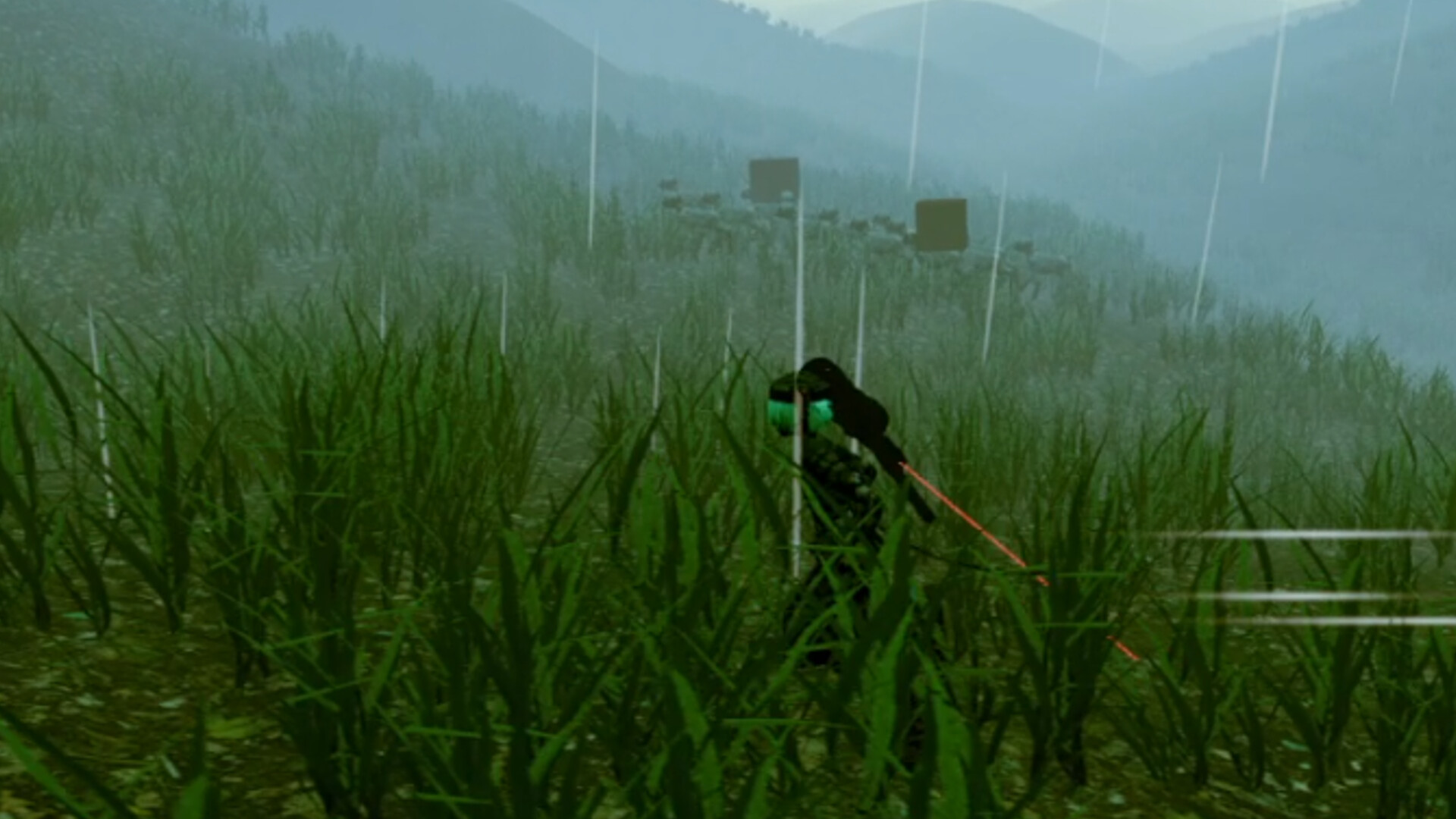
Your flock is both a source of income and your primary weapon. Design your own flock and guide your NiMALs with a GunCane, a weaponized shepherd tool that communicates with them through short radio bursts. This herding influence shapes flock movement and temporarily overrides their pre-programmed functions. The GunCane’s effect weakens with distance.

NiMALs do not wait for direct commands. Their behavior shifts according to role, condition, emotion, and environment. A NiMAL can enter fight-or-flight mode autonomously, but your own combat ability has a major effect on the flock’s chances of survival. Use your GunCane and other tools to manage flock movement, heal allies, disrupt enemies, and destroy hostile NiMALs. Keeping the flock together is critical. Anything left behind can become feral. Prolonged separation can be worse than a NiMAL’s death.
Your work in Santosha is to expand the flock, recover new NiMAL data, protect your builds, earn money, and defeat rival shepherds in Boid Battles.
_________________________________________________________________________
Human Structure Analysis
Santosha is a society of blood clubs that focus on production and competition.
Each blood club works to build the strongest shepherd team and compete in Boid Battles. The clubs are organized by blood type: Crimson, Acid, Oil, and Mercury.
Mechanics and Surgeons work in CRISPr labs, where NiMALs are fabricated from blueprints. CRISPr labs operate as both the team's garage and pro shop.
Field Researchers study both Boid Battles and wild NiMAL behavior. They move through Santosha collecting data. Sometimes their data can be recovered and decrypted into new blueprints.
Rival Shepherds are the main field operators of the club. They enter preserves with their flocks and compete as the public face representing their blood club.
Pounds appear throughout the zones. These smaller shops capture stray and feral NiMALs, tame them, and sell. They do not fabricate new NiMALs, but they provide another way to build support when far from the main facilities.