—
메타크리틱
0개
DLC
Steam
플랫폼
액션, 캐주얼
장르
Space Survivors takes the bullet-heaven formula into deep space — and pushes it further than the genre has gone before.
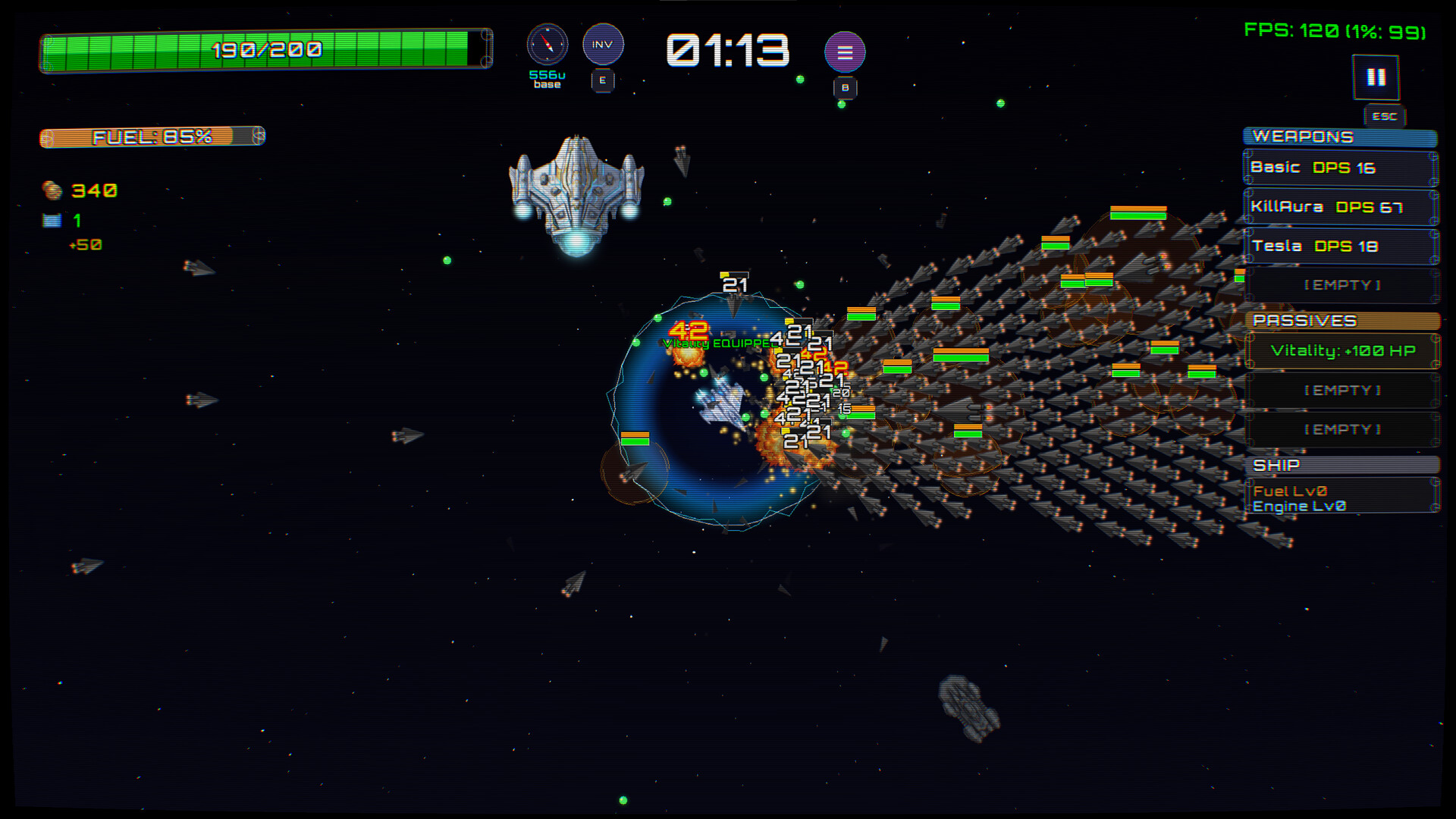
You pilot a starship against an endless onslaught of alien forces. But this is not another clone where you move in circles and watch numbers go up. Every enemy is designed to challenge you differently. Every weapon has depth. Every decision during a run shapes your chances of survival.
**CHOOSE YOUR SHIP**
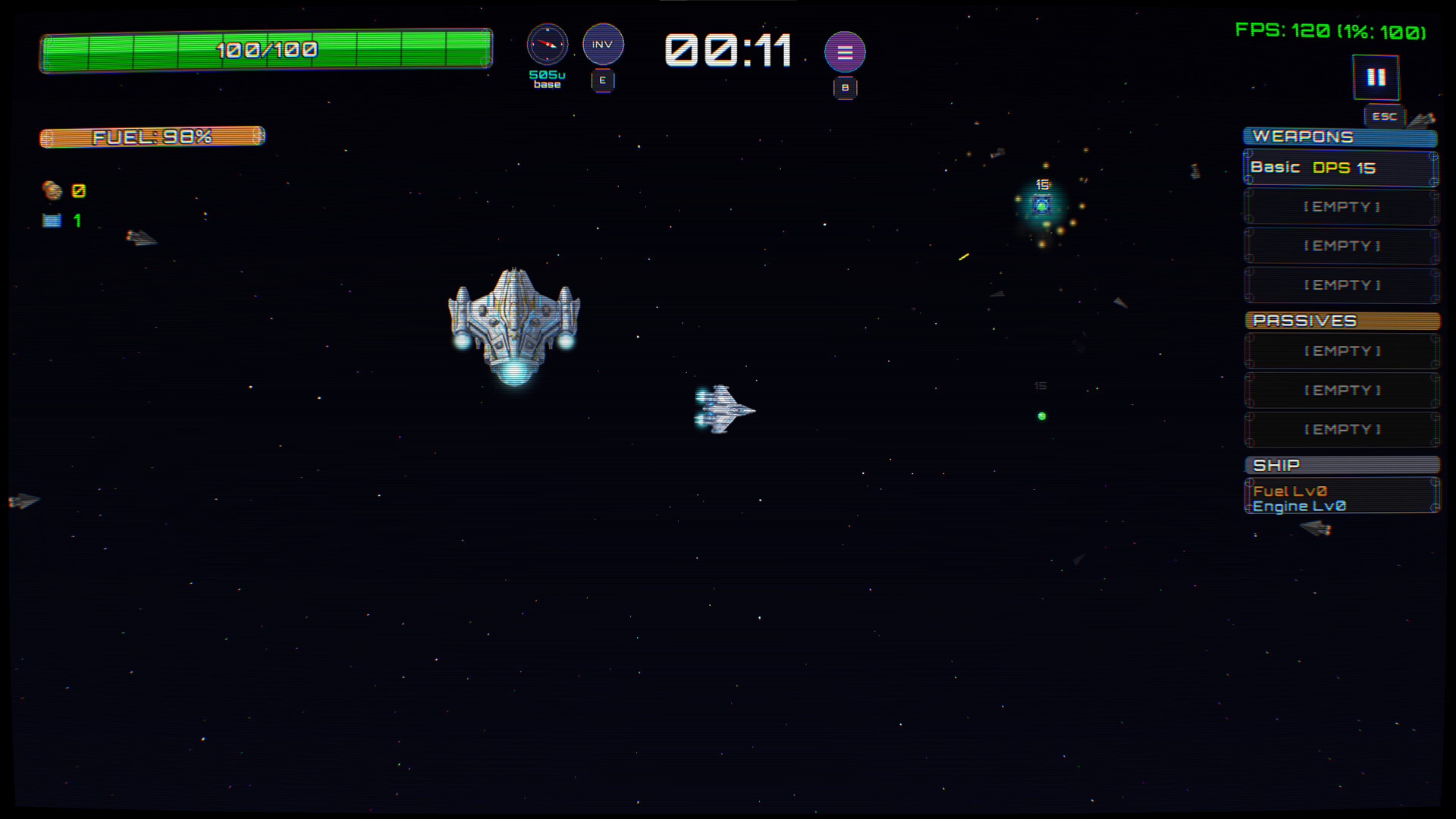
Before each run, you select a ship that defines your entire playstyle. Ships are not cosmetic — they differ in speed, durability, size, damage resistance, and special abilities. One ship rewards aggressive play with raw firepower at the cost of fragility. Another lets you absorb punishment and outlast anything the game throws at you. Pick the hull that matches how you want to fight.
**WEAPONS WITH REAL DEPTH**
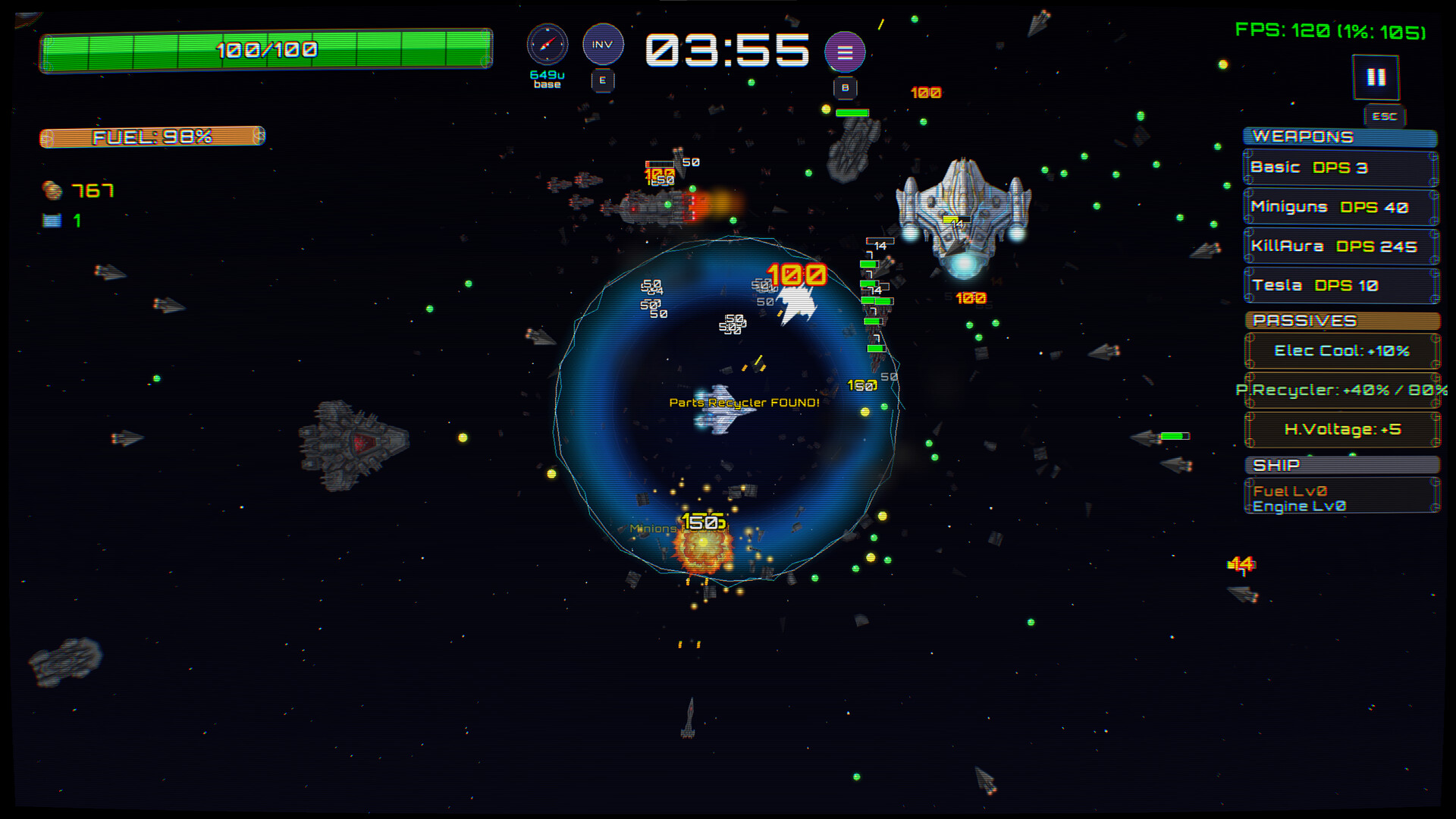
The weapon system is the core of Space Survivors, and it goes far beyond "pick it up, it shoots automatically."
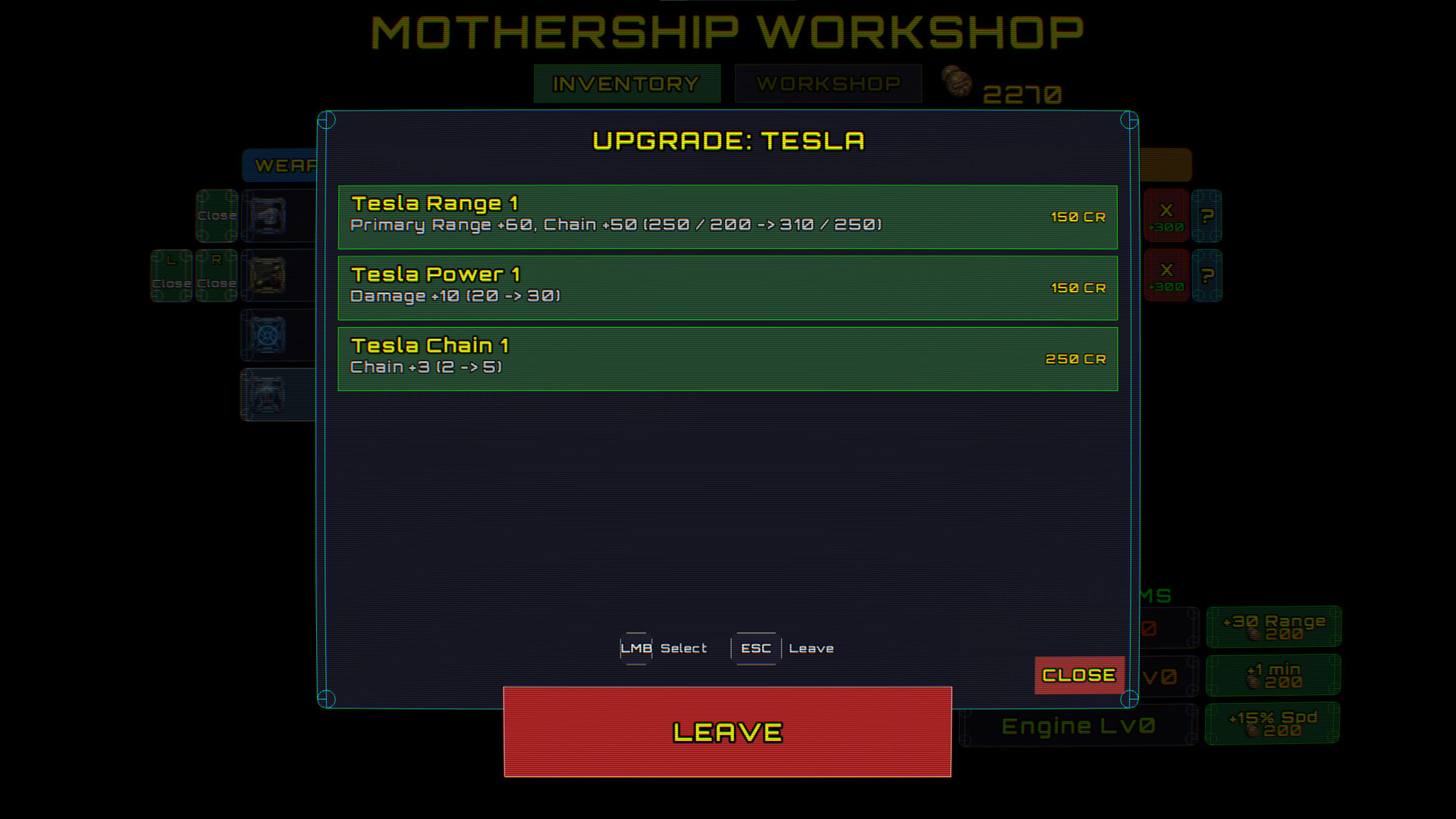
Every weapon features multiple branching upgrade paths. When you invest in a weapon, you choose a direction — more damage, wider area of effect, faster fire rate, additional projectiles, or entirely new behaviors like homing, explosions, or chain effects. You cannot max out everything. Your build is defined by the trade-offs you make.
Some weapons are defensive — they protect you and punish enemies for getting too close. Others are autonomous systems that fight on their own, with configurable behavior modes. Some are raw, brute-force firepower. And some are alien technology recovered from defeated bosses — powerful tools that reward skilled play and open entirely new strategic possibilities.
The result: no two runs feel the same, and optimizing your build is a genuine challenge, not a checklist.
**ENEMIES THAT DEMAND DIFFERENT STRATEGIES**
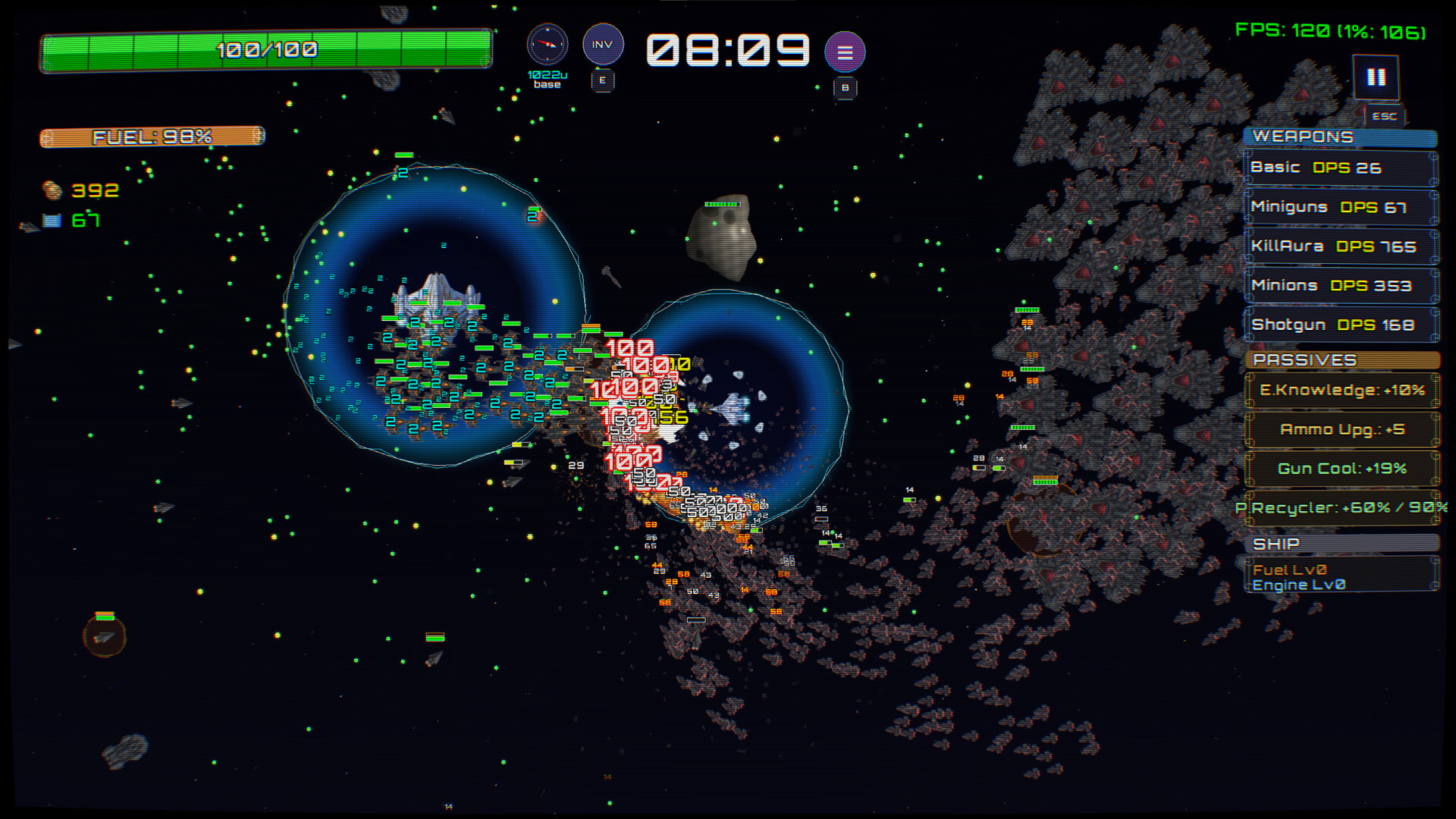
Space Survivors features a diverse roster of enemy types, each with distinct behaviors and battlefield roles. This is not a game where every enemy just walks toward you at different speeds.
Understanding enemy composition and prioritizing targets is not optional. It's how you survive, but crafted in a way thats not annoying
**BOSS ENCOUNTERS WITH REAL MECHANICS**
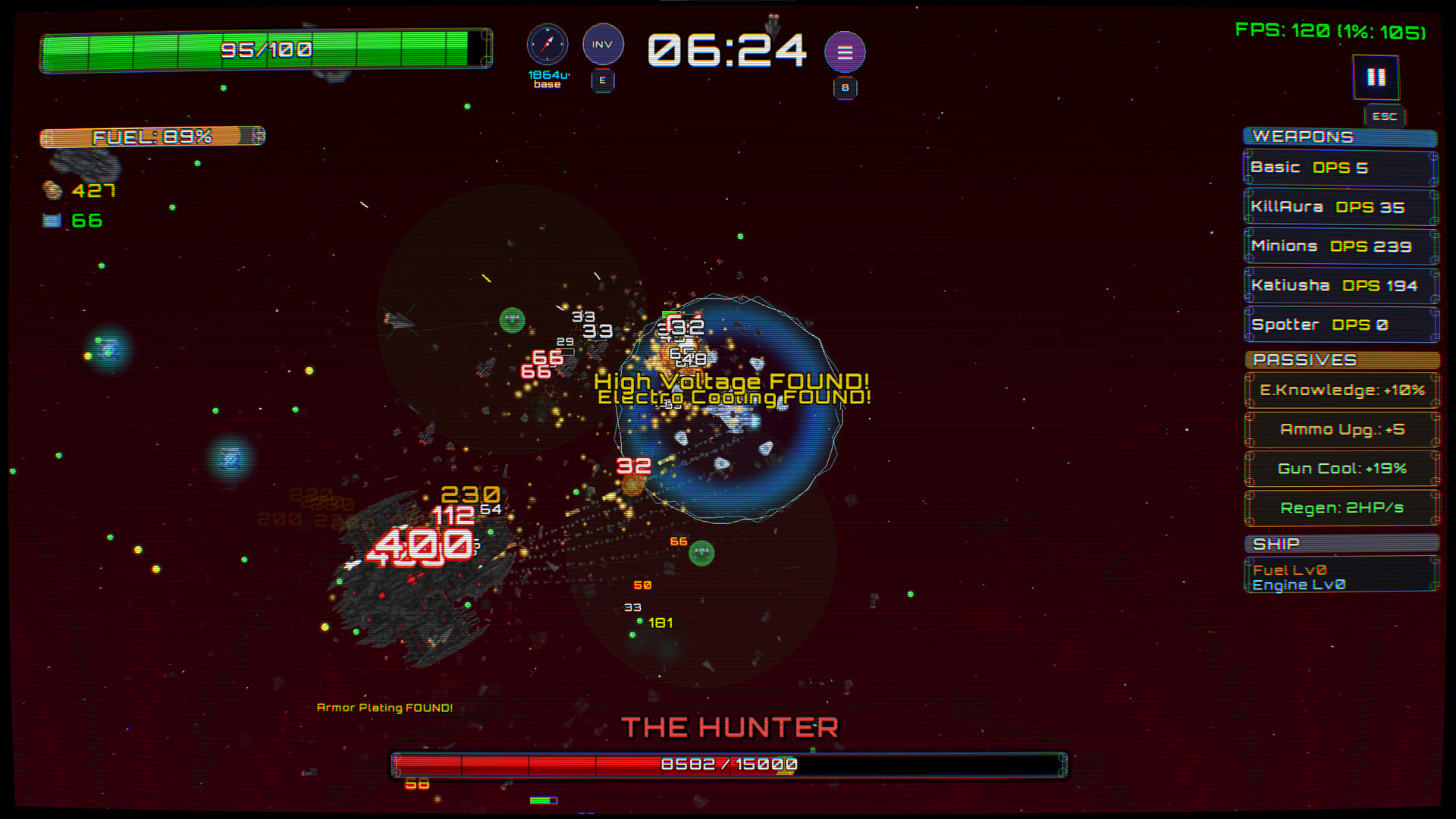
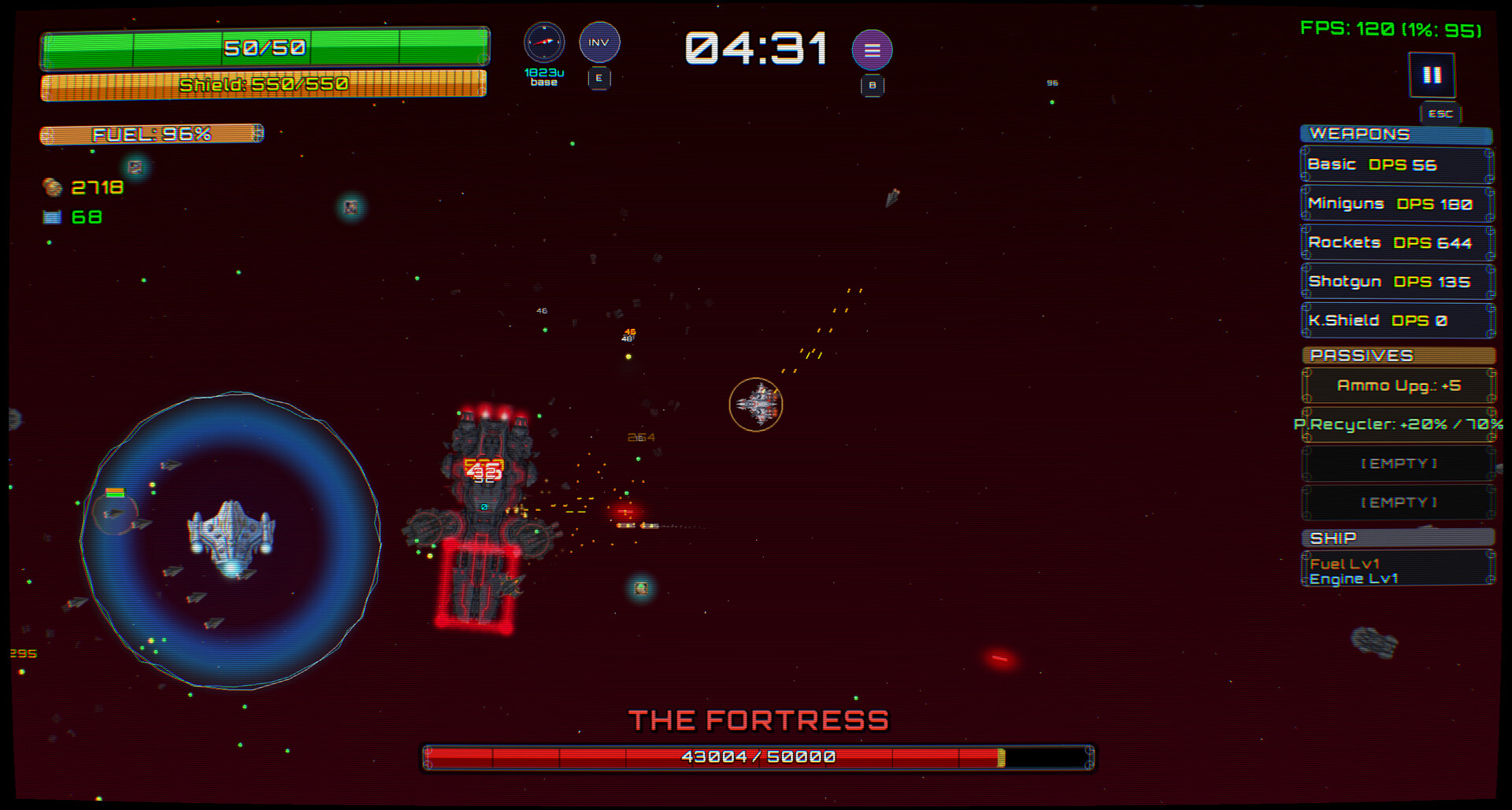
Bosses in Space Survivors are not oversized regular enemies with inflated health bars. Each boss encounter is a distinct challenge with unique attack patterns, defensive mechanics, and tactical demands.
Some bosses require you to flank them because they have directional shielding. Others spawn waves of support units that you need to deal with while managing the boss itself. Some are fast, aggressive fighters that orbit you and force reaction-based gameplay. The answer to a boss fight is never just "have more DPS" — it's understanding what the boss does and adapting your positioning, targeting, and weapon configuration accordingly.
**DEEP UPGRADE ECONOMY**
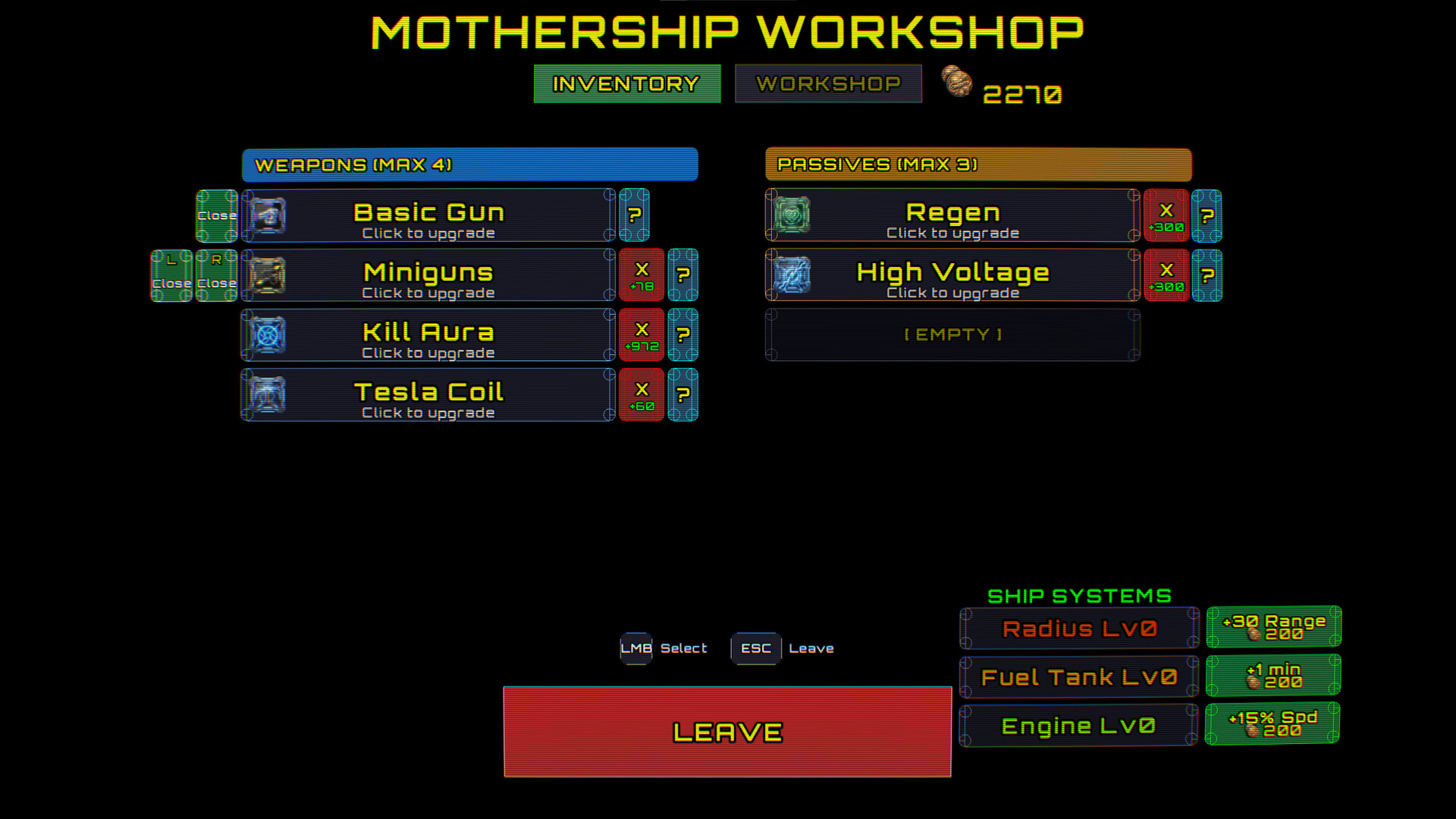
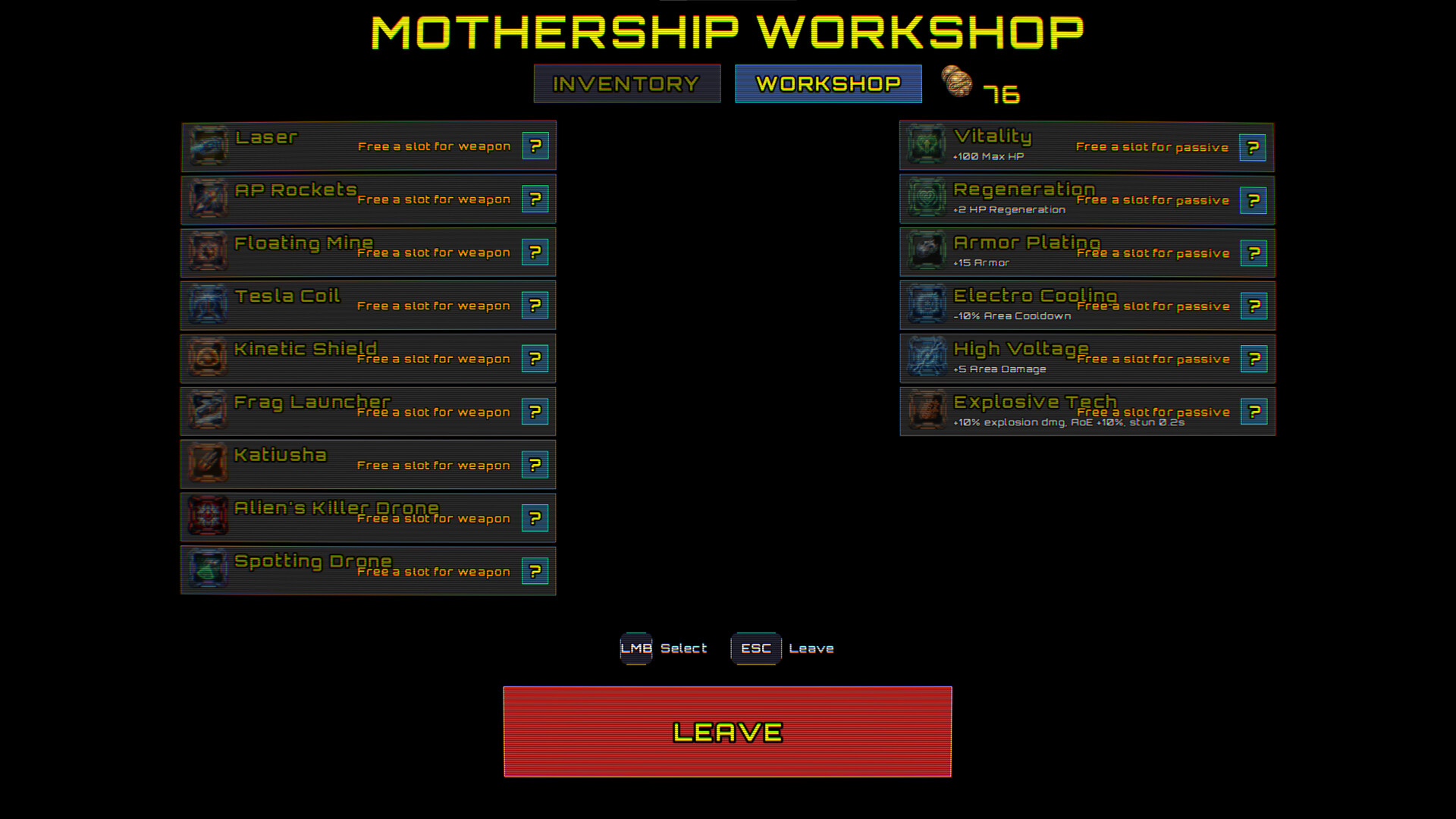
Killing enemies earns credits. Credits buy weapon upgrades, passive enhancements, and ship improvements at the in-game shop. But slots are limited — you can only equip a set number of weapons and passives at once.
This creates meaningful decisions. Do you invest heavily into one weapon and make it devastating, or spread your credits across multiple weapons for versatility? Do you take more passives for survivability or save every credit for raw offensive power?
You can also sell weapons and passives mid-run at a partial refund, allowing you to respec your build when the situation demands it. A dedicated passive upgrade even improves your refund rate, making build flexibility itself a strategic investment.
**PASSIVE SYSTEMS THAT SHAPE YOUR BUILD**
Beyond weapons, passive upgrades provide build-defining bonuses. Some reduce weapon cooldowns — different passives for different weapon categories, so you're never just stacking one stat. Others add flat damage to specific weapon types, increase your survivability through armor and regeneration, or improve your economic efficiency.
Passives are not just stat bumps. They change how your weapons interact and which strategies become viable.
**SMART TARGETING**
Every weapon supports configurable targeting modes — prioritize the nearest enemy, the toughest, the farthest, or let the system optimize for best area coverage. Autonomous combat units can be set to defend your ship or hunt independently. This level of control lets you fine-tune your loadout for any situation without pausing the action.
**TIME PRESSURE**
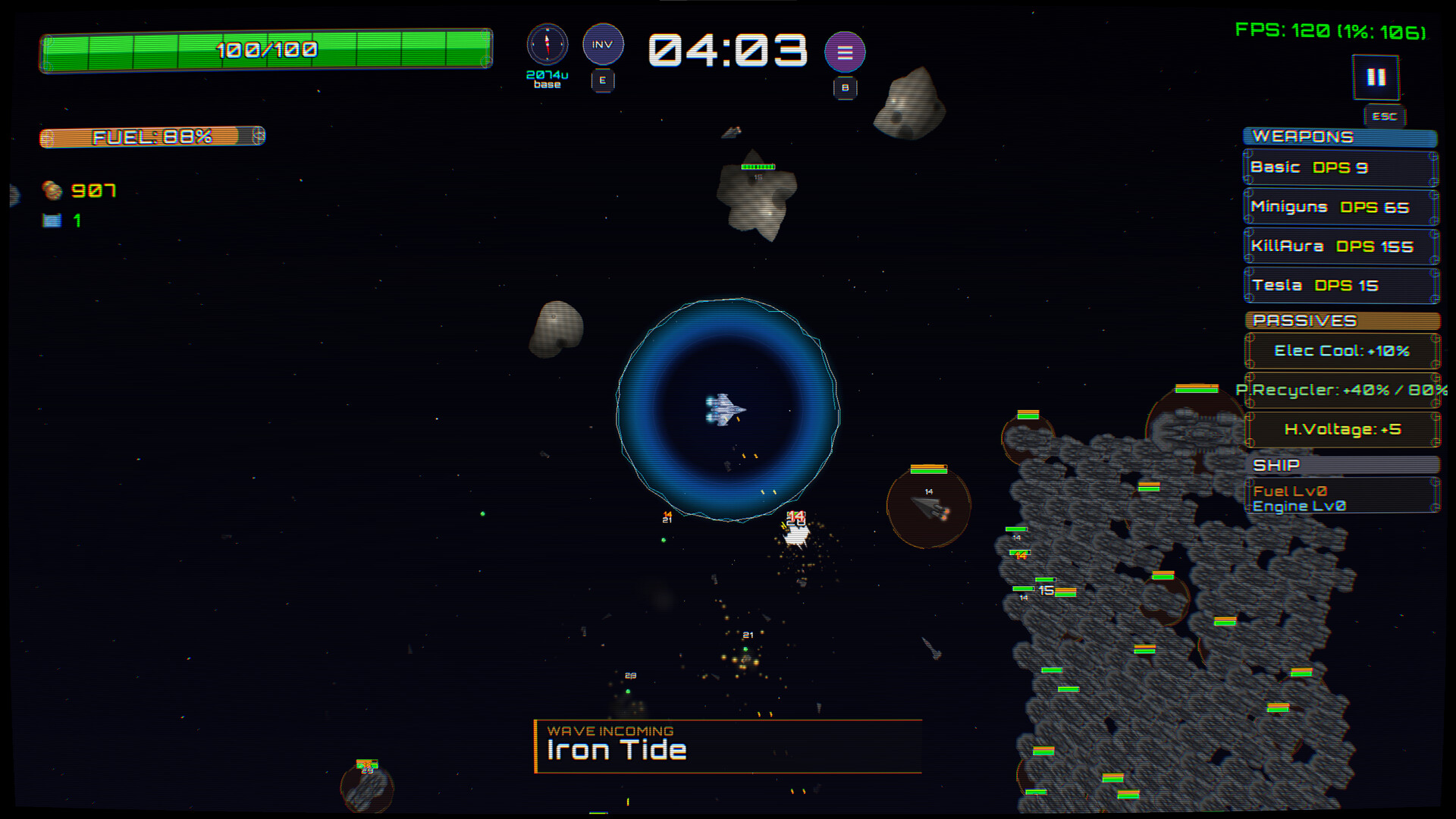
Your ship runs on fuel. When it runs out, your systems degrade and survival becomes exponentially harder. Upgrading your fuel capacity and engine efficiency extends your runs, but the clock is always ticking. You need to earn enough, build fast enough, and fight smart enough before time runs out.
**BUILT FOR REPLAYABILITY**
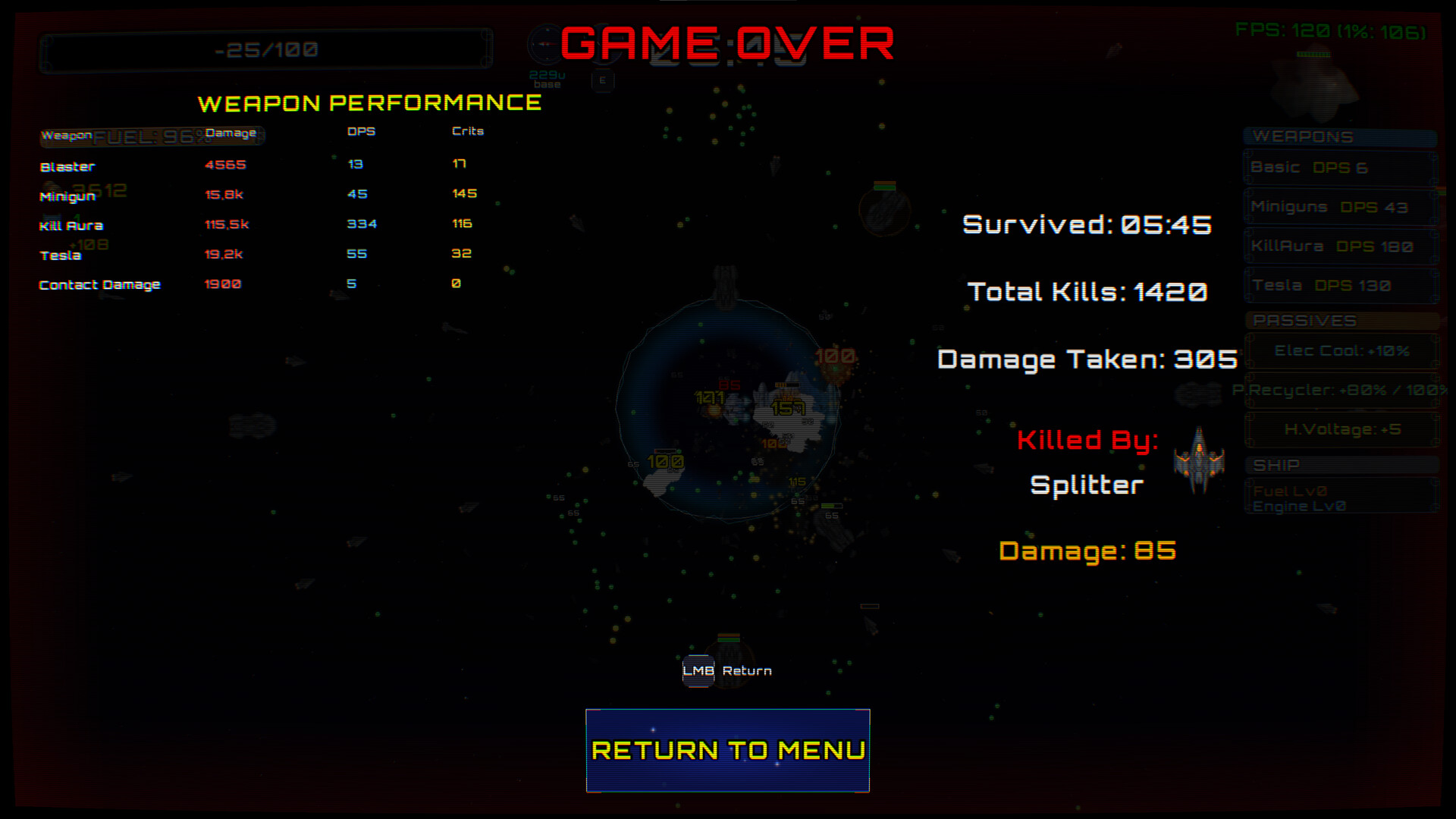
An in-game bestiary tracks every enemy type you've encountered. A real-time damage tracker breaks down your performance by weapon, so you always know what's carrying your build. New weapons are discovered through drops during gameplay, permanently unlocking them for future runs. When you die, a detailed breakdown shows exactly what killed you, how much damage you took, and from what.
Every run teaches you something. Every death makes you better.
**CAREFULLY BALANCED**
Space Survivors is not a game that was thrown together. Enemy waves arrive at designed intervals with specific compositions. Upgrade costs scale with intent. Every weapon path has been tuned so that no single strategy dominates. The difficulty curve rewards both strategic thinking and mechanical skill — and it never stops pushing you.
---
This is a bullet-heaven built from the ground up with the depth, variety, and balance the genre deserves.
How long can you survive?