—
메타크리틱
0개
DLC
Steam
플랫폼
캐주얼, 인디
장르
출시 예정
플랫폼별 가격 비교
가격 히스토리
차트 로딩 중...
게임 소개
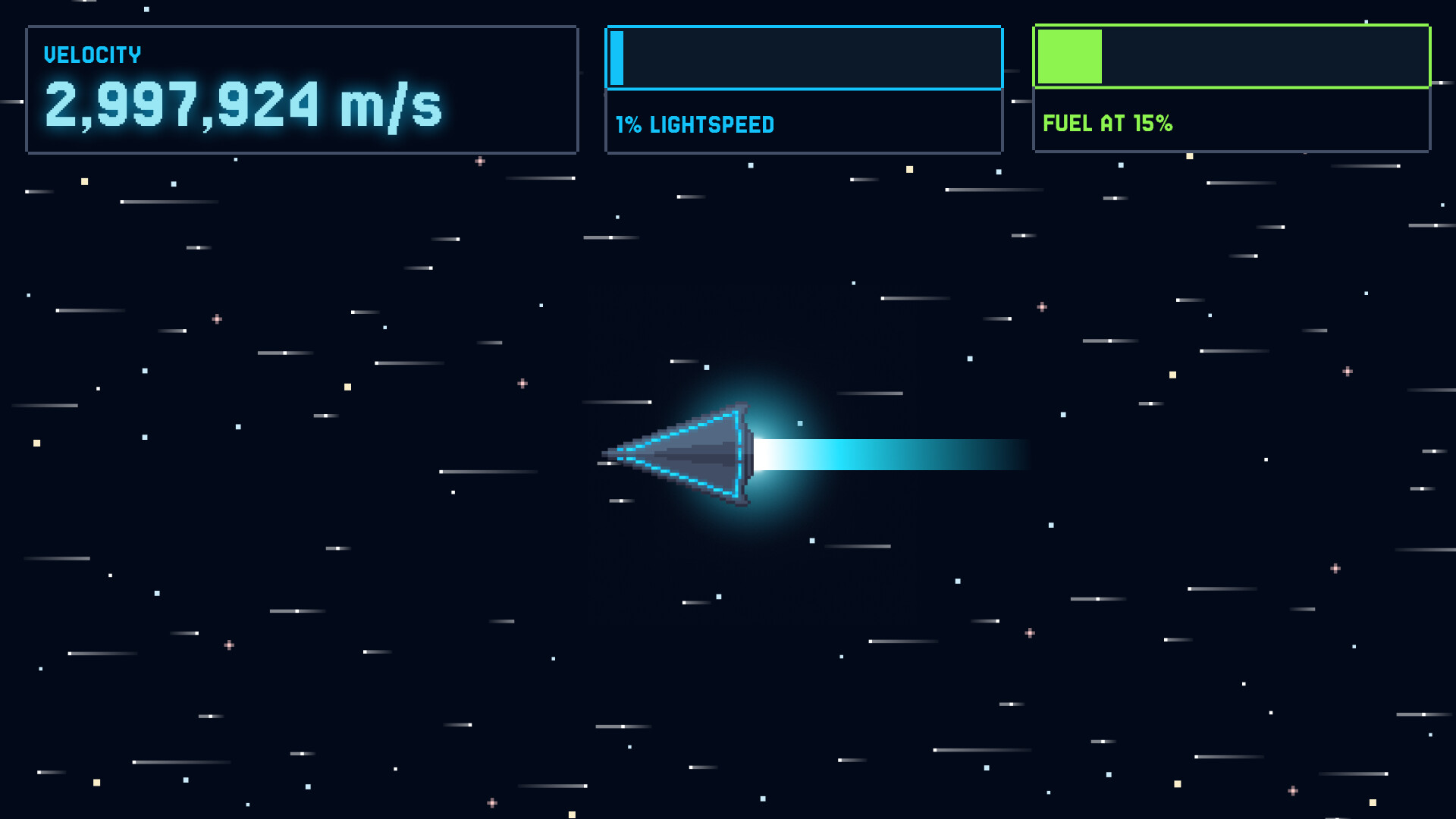
THE ULTIMATE SPEED LIMIT AWAITS Start from a dead stop in the vast emptiness of space. Your objective is absolute: push your ship's velocity to 299,792,458 m/s and breach the speed of light. Lightspeed is a focused incremental simulation where physics, resource management, and rapid progression collide.
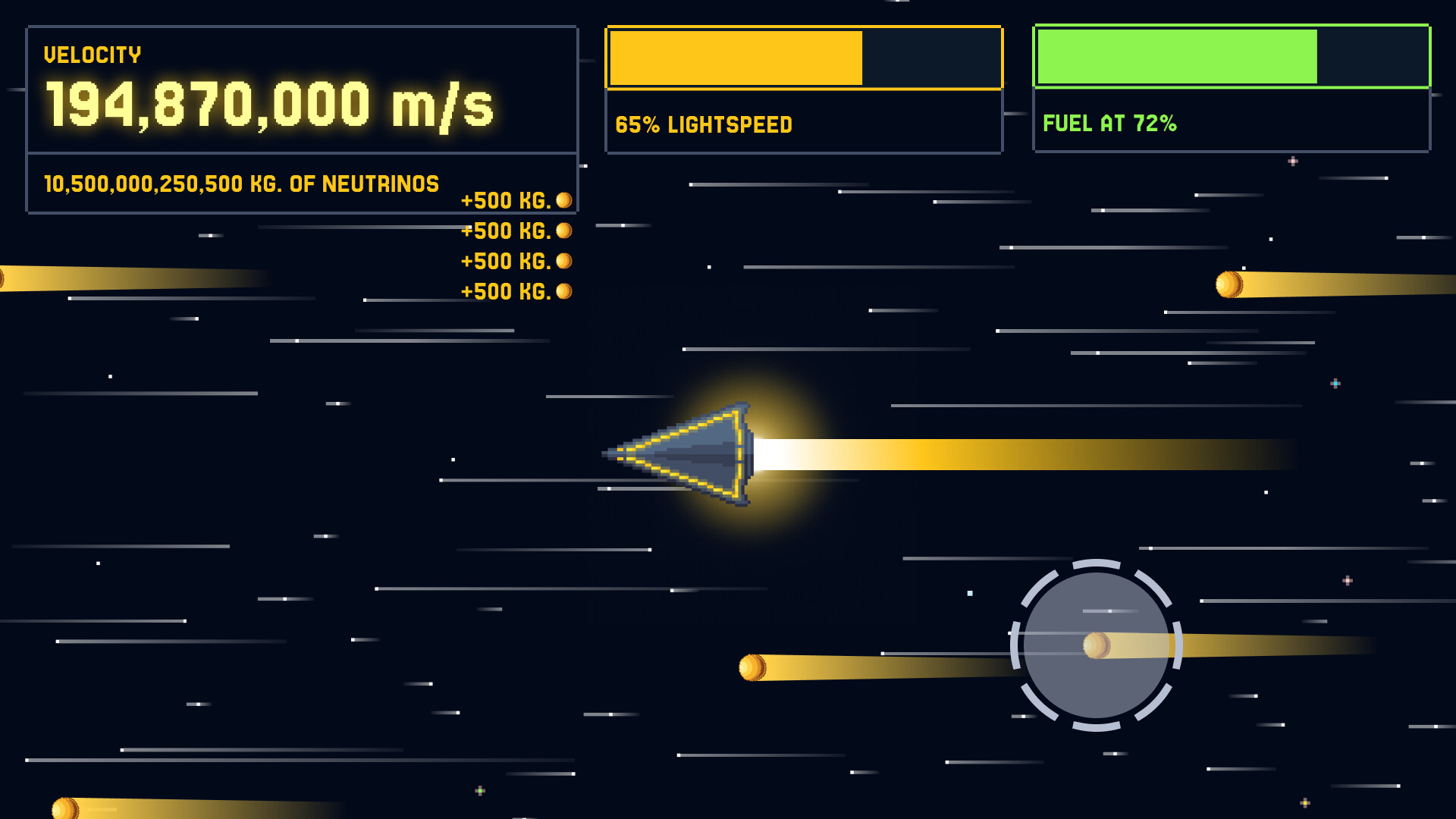
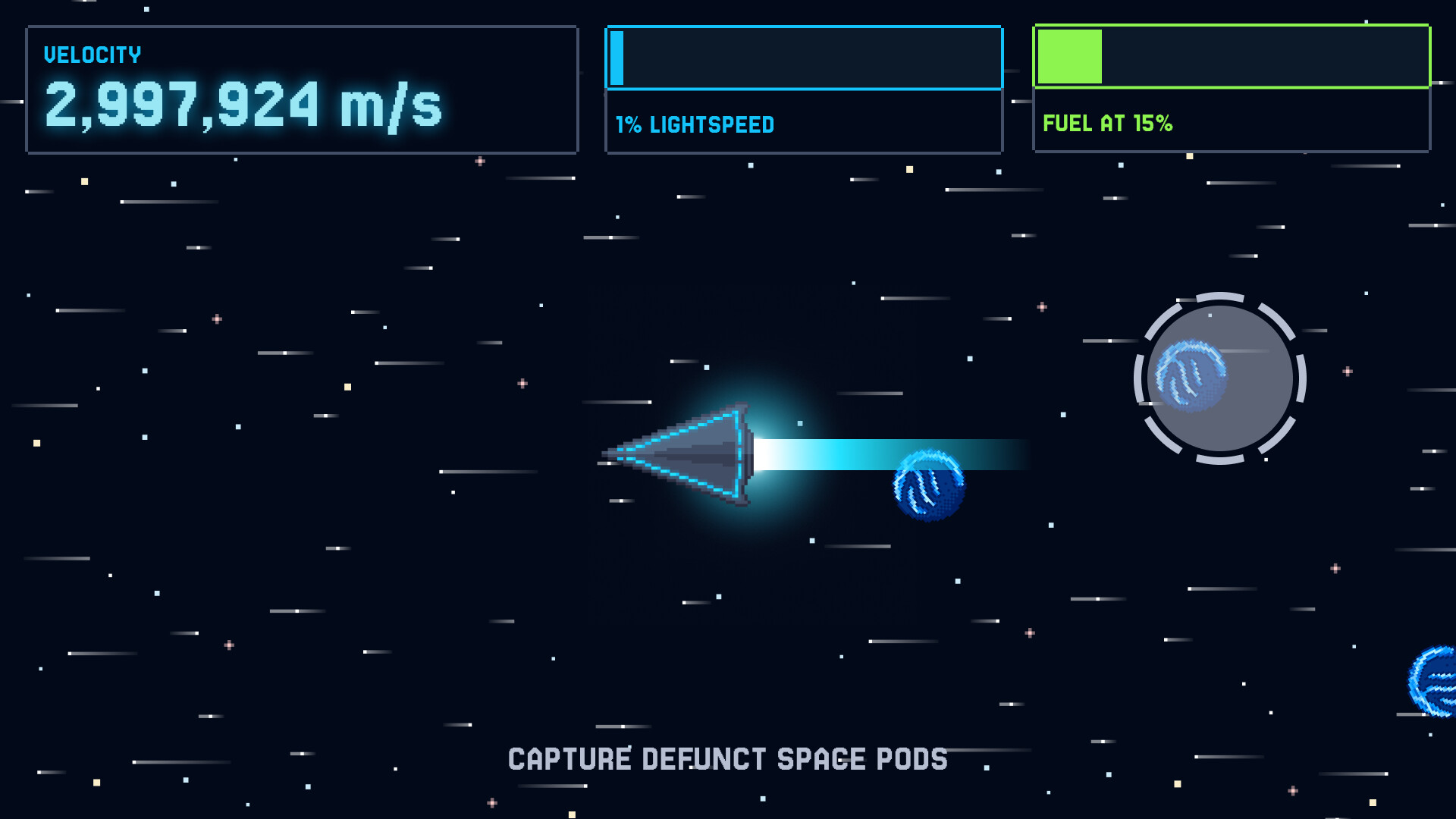
HARVEST, ACCELERATE, REPEAT Take direct manual control of your ship's collection arrays. Hover over drifting cosmic particles and exotic substances to scoop up fuel, watching your HUD tick upward as your velocity, acceleration, and percentage of lightspeed climb.
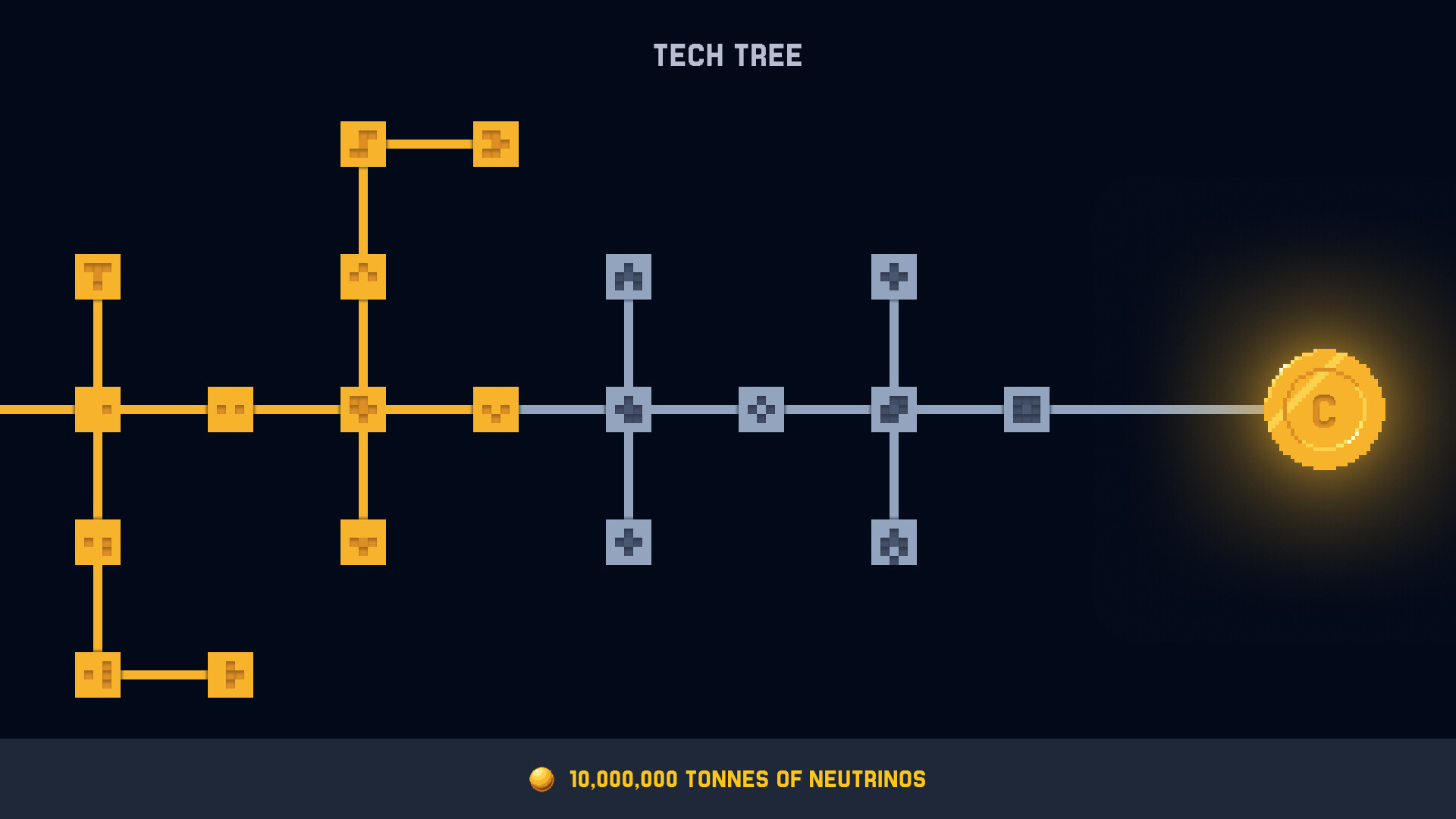
But momentum is fleeting. When your fuel inevitably runs dry, your velocity zeroes out. The downtime during refueling is your crucial window to access a sprawling upgrade tree, turning every hard stop into your next massive launch.
SYSTEMS MANAGEMENT & FRICTION Going fast isn't just about burning fuel; it's about engineering survival. You must balance multiple tiered systems to maintain your momentum:
Thermal Dynamics: Engines overheat if pushed too hard for too long. Invest in tiered cooling systems to extend your burn times.
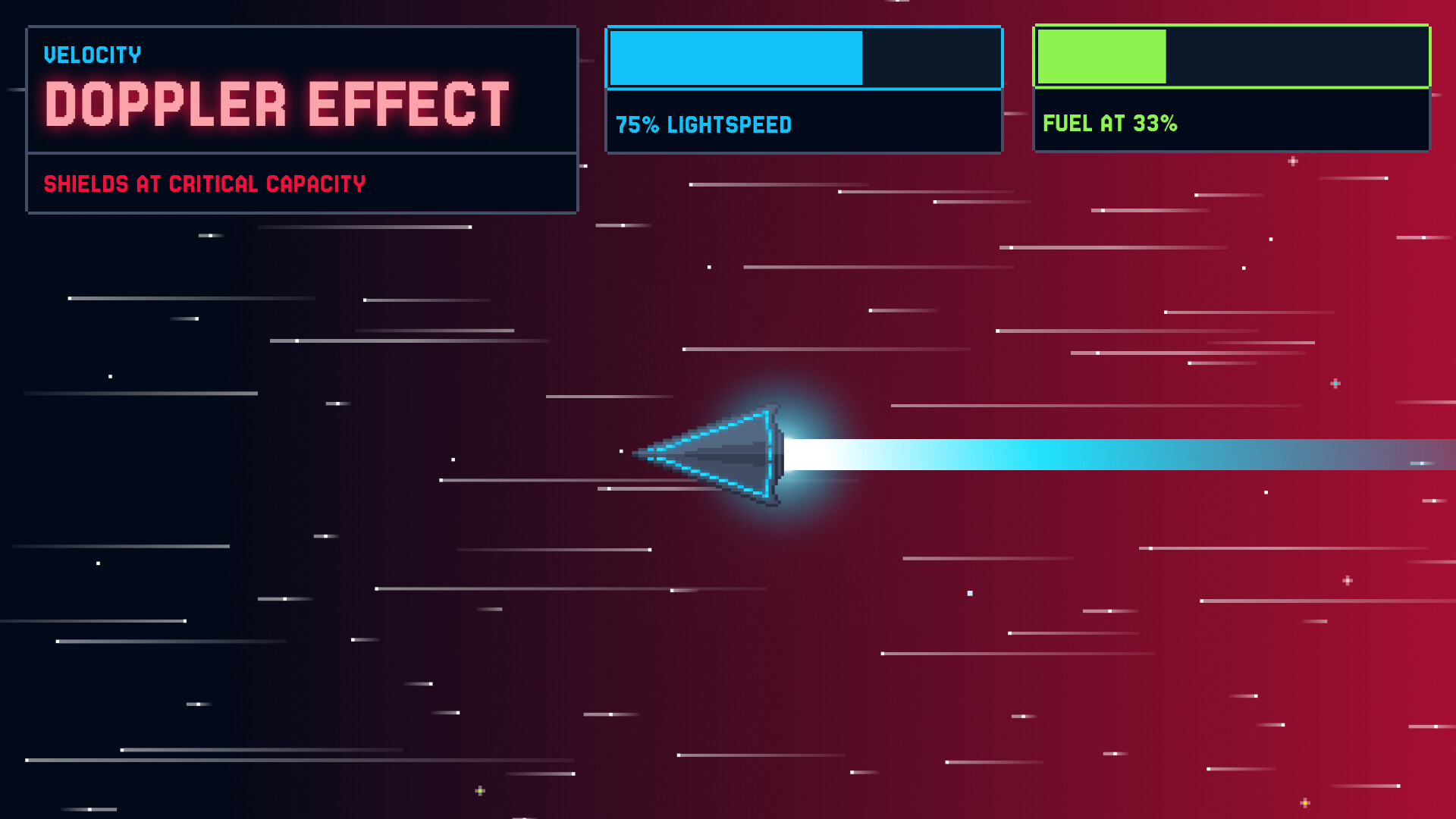
Kinetic Shielding: The faster you travel, the more dangerous space becomes. Constantly upgrade your hull shielding to survive high-velocity cosmic impacts.
Velocity-Gated Matter: The rarest, highest-energy particles can only be seen and harvested while traveling at extreme speeds, forcing you to constantly push your limits to reach the next tier of technology.
DEEP INCREMENTAL PROGRESSION
Tiered Technology: Progress through increasingly complex tiers of particles, magnetic collection arrays, and propulsion engines.
Hypnotic Visuals: Enjoy a clean, minimalist aesthetic where different cosmic substances feature distinct, satisfying visual effects as they are collected.
Active Anomalies: Stay alert during your runs for random, high-density fuel tanks and anomalous particle clusters that require quick reflexes to capture for massive boosts.
Comprehensive Telemetry: Track every metric of your journey with a detailed HUD tracking velocity (m/s), distance traveled, total mass collected, fuel reserves, and shield integrity.