—
메타크리틱
0개
DLC
Steam
플랫폼
어드벤처, 인디
장르
출시 예정
플랫폼별 가격 비교
가격 히스토리
차트 로딩 중...
게임 소개
 Handcrafted historical adventure, built from court records and folk practices
A stranger arrives uninvited at a rural Polish folwark. The lord is dead. His widow is barely holding the estate. The priest left. The roads are buried. Nobody is coming. Suspicions start to grow.
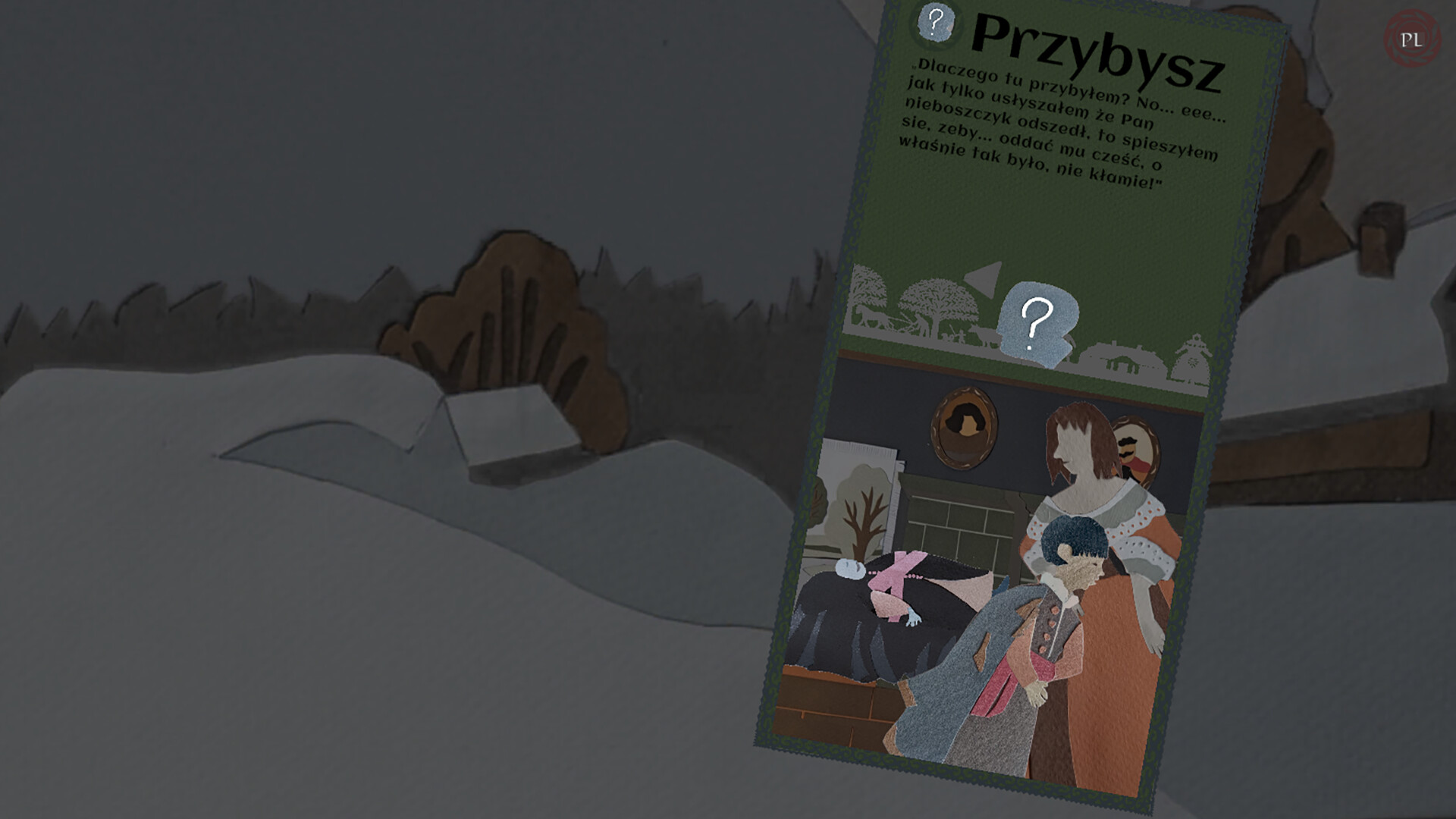
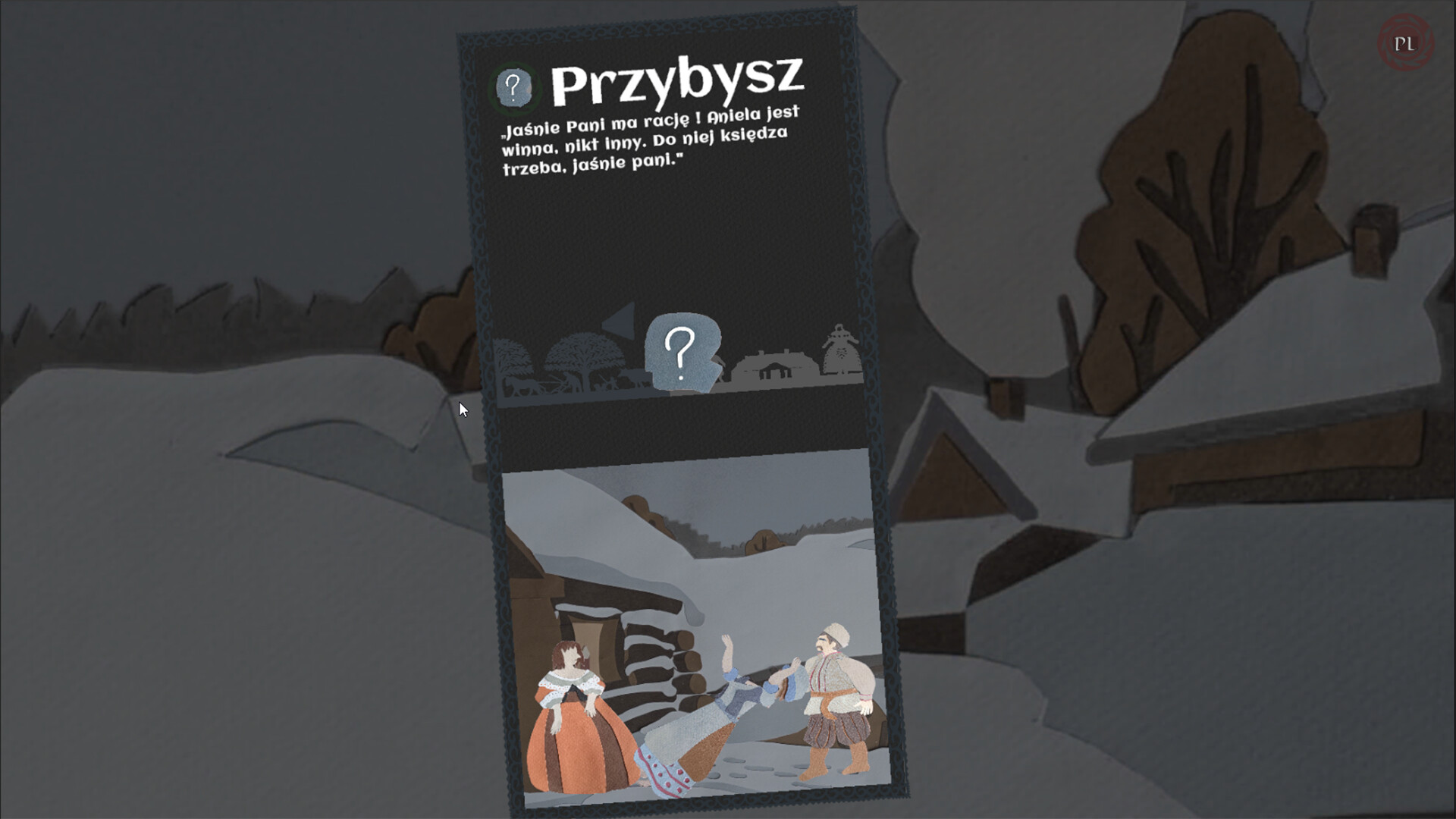
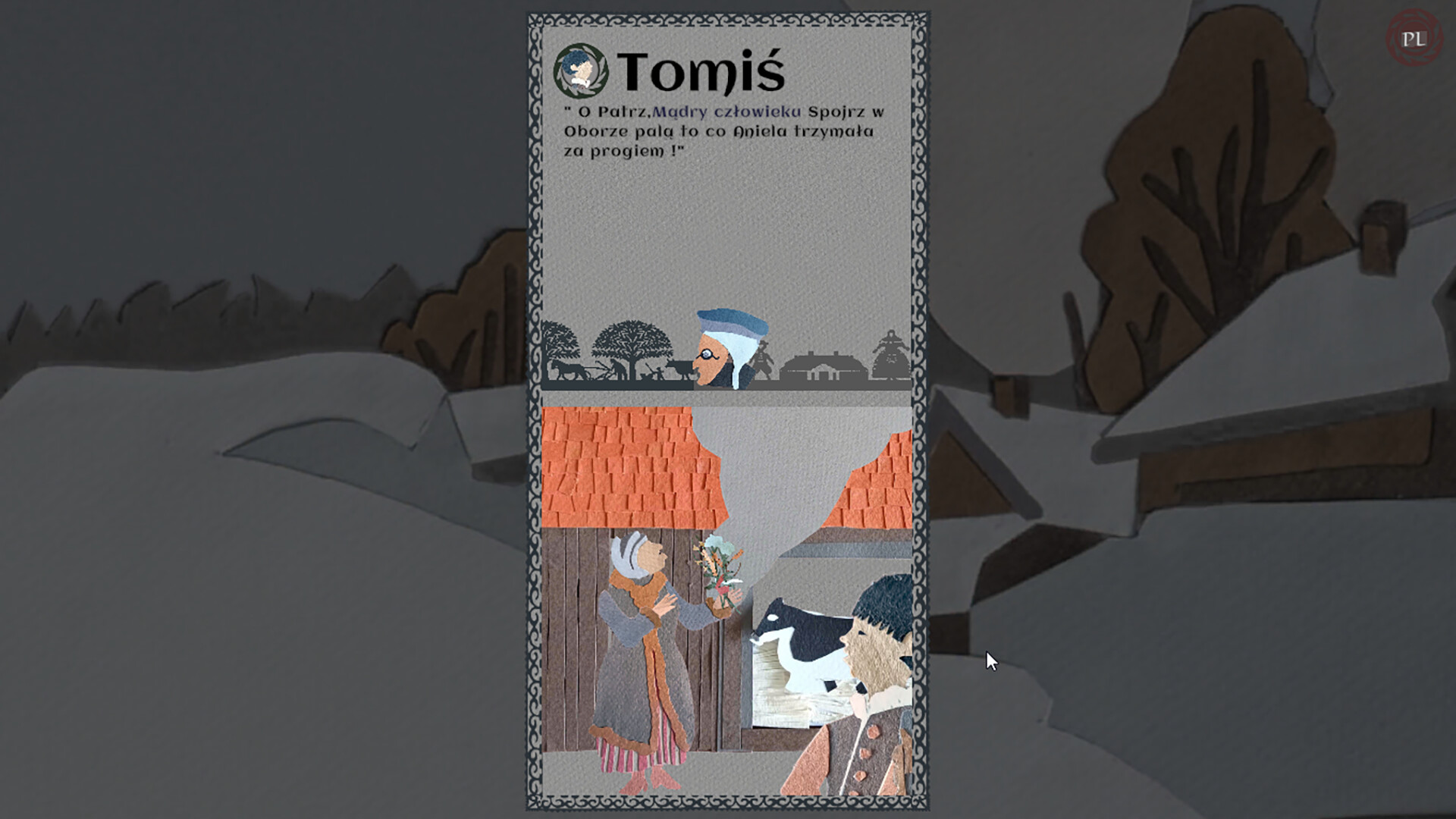
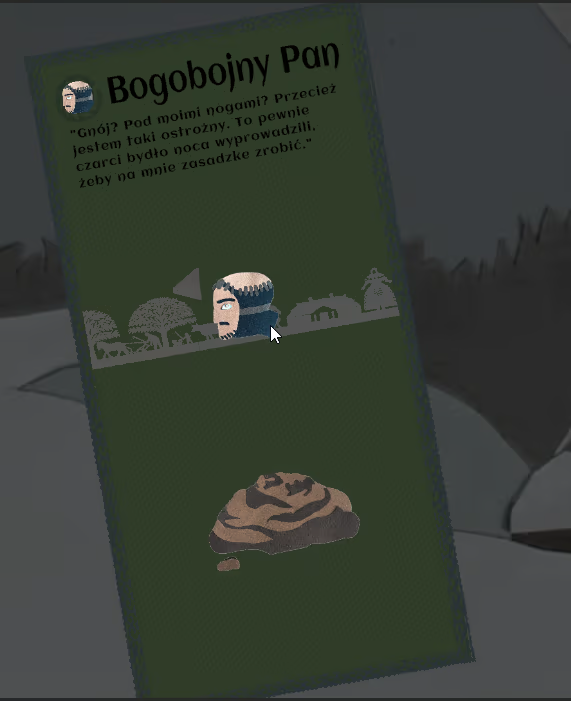
You are the stranger. Swipe left or right to respond to the people around you. Every answer shifts your standing between the manor and the village, and over time, the community decides what kind of person you are.
Manage your social legibility
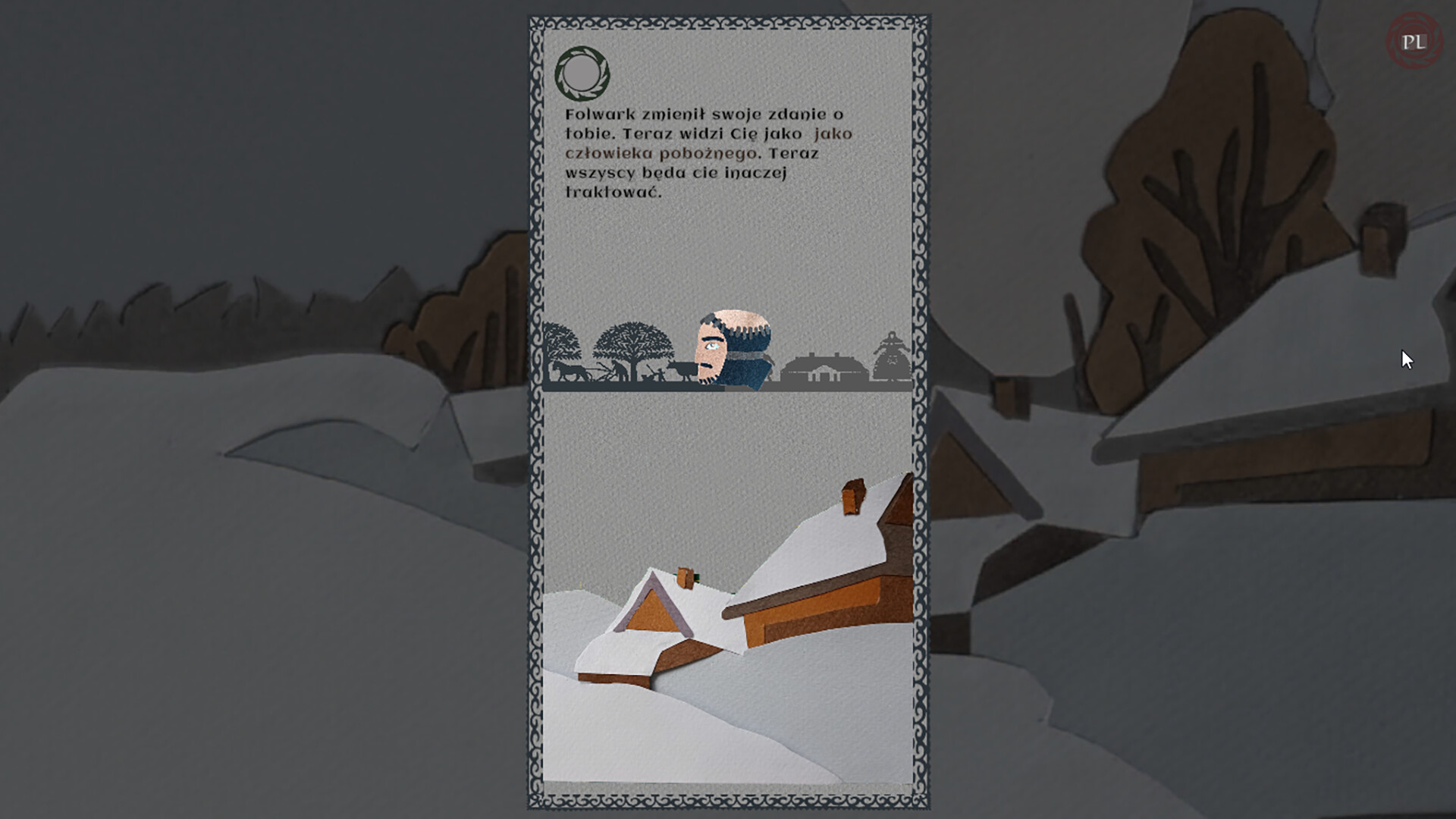
Your early choices lock you into one of three identities: the Pious Man, the Learned Man, or the Superstitious Man. Once its set, NPCs start to address you differently, interpret your words through a different lens, and your answer options changes as well
Navigate village structure
Everybody judges you. Nobody lies. Each decision can produce consequence you didnt intended. Do you ally with the manor or the village. The slider goes both ways. Push it too far in either direction and you will not survive the winter
Historical fiction built on court records and ethnography
The game draws on a library of historical and ethnographical research. The 17th-century Polish witch trial protocols, Counter-Reformation theology, and rural folk practice. The logic by which a healing woman becomes a witch accusation is documented in parish and court records from Kleczew, Biecz, and dozens of other small towns.

Features
Reigns-style card swiping mechanic
Single-register balance between manor and village.
An identity system that accumulates across the entire run and constrains your future options.
Text that changes based on who the community thinks you are.
Multiple Endings depending on your choices. You can't save everyone, but you might save yourself
Historically correct, in 17th-century Polish vernacular registers (English translation available).