—
메타크리틱
0개
DLC
Steam
플랫폼
인디, 시뮬레이션
장르
출시 예정
플랫폼별 가격 비교
가격 히스토리
차트 로딩 중...
게임 소개
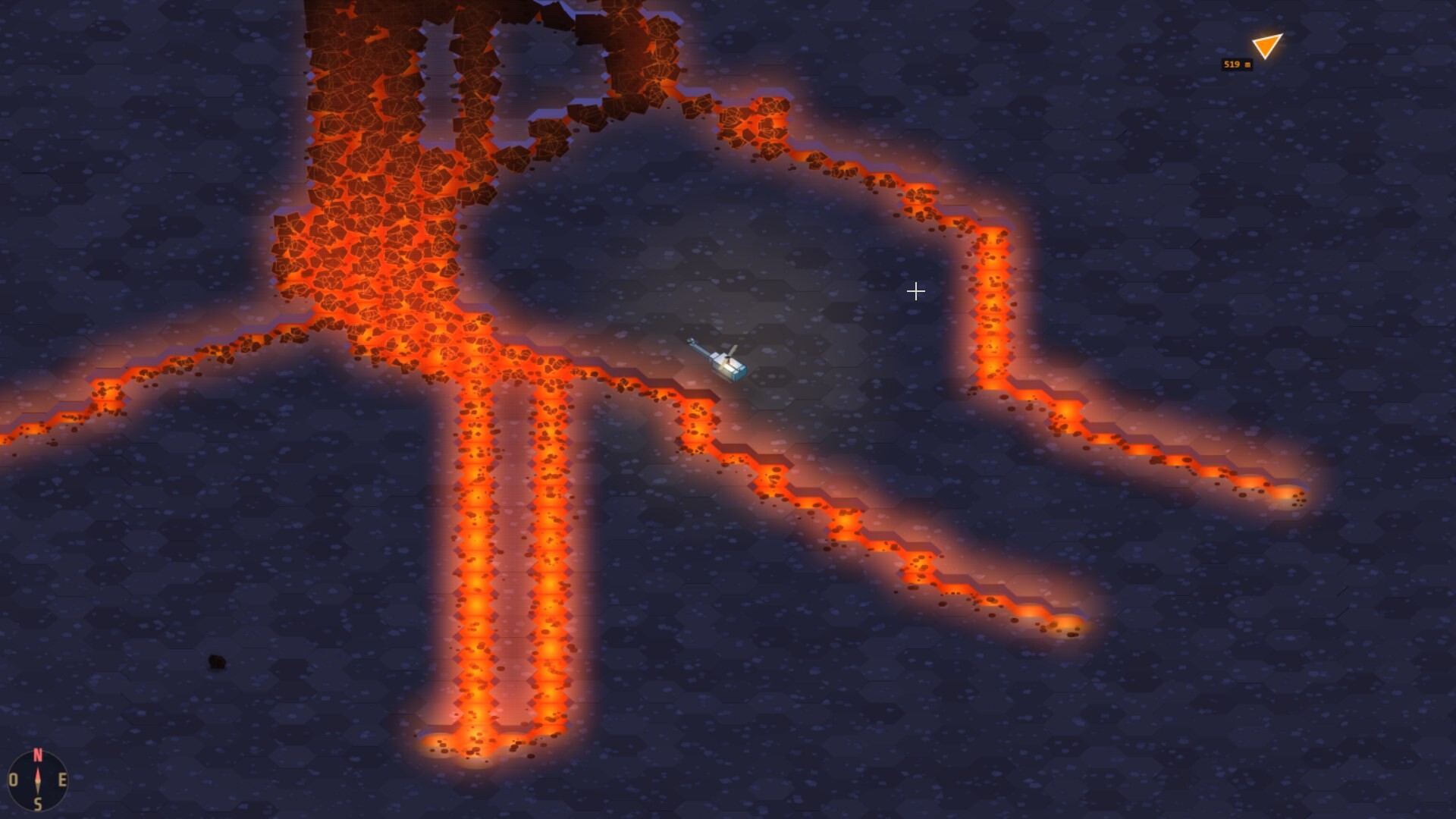
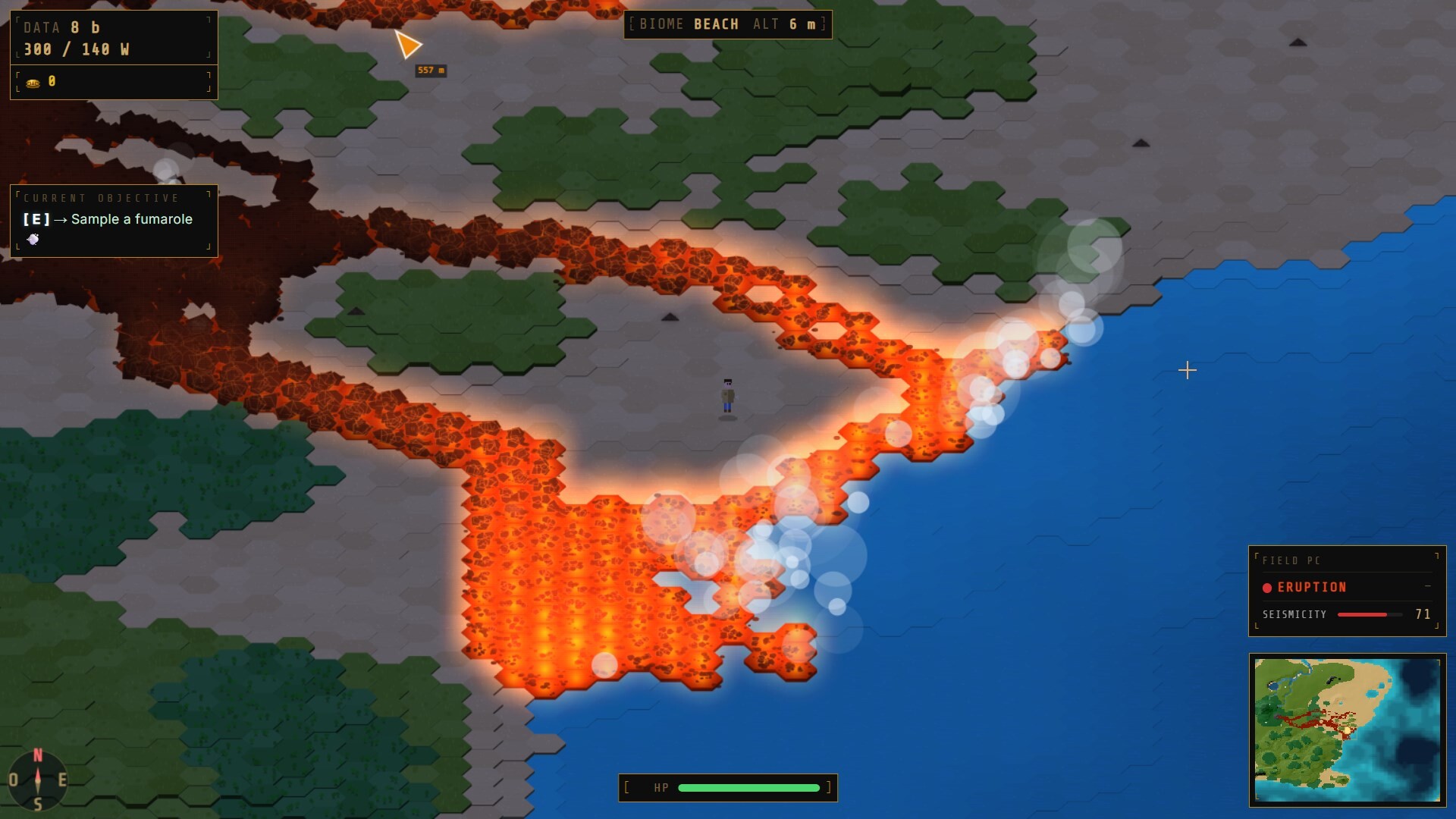
You've been posted to a remote volcanic island where the volcano is active and the Institute expects regular reports. Everything between those two facts is yours to figure out.
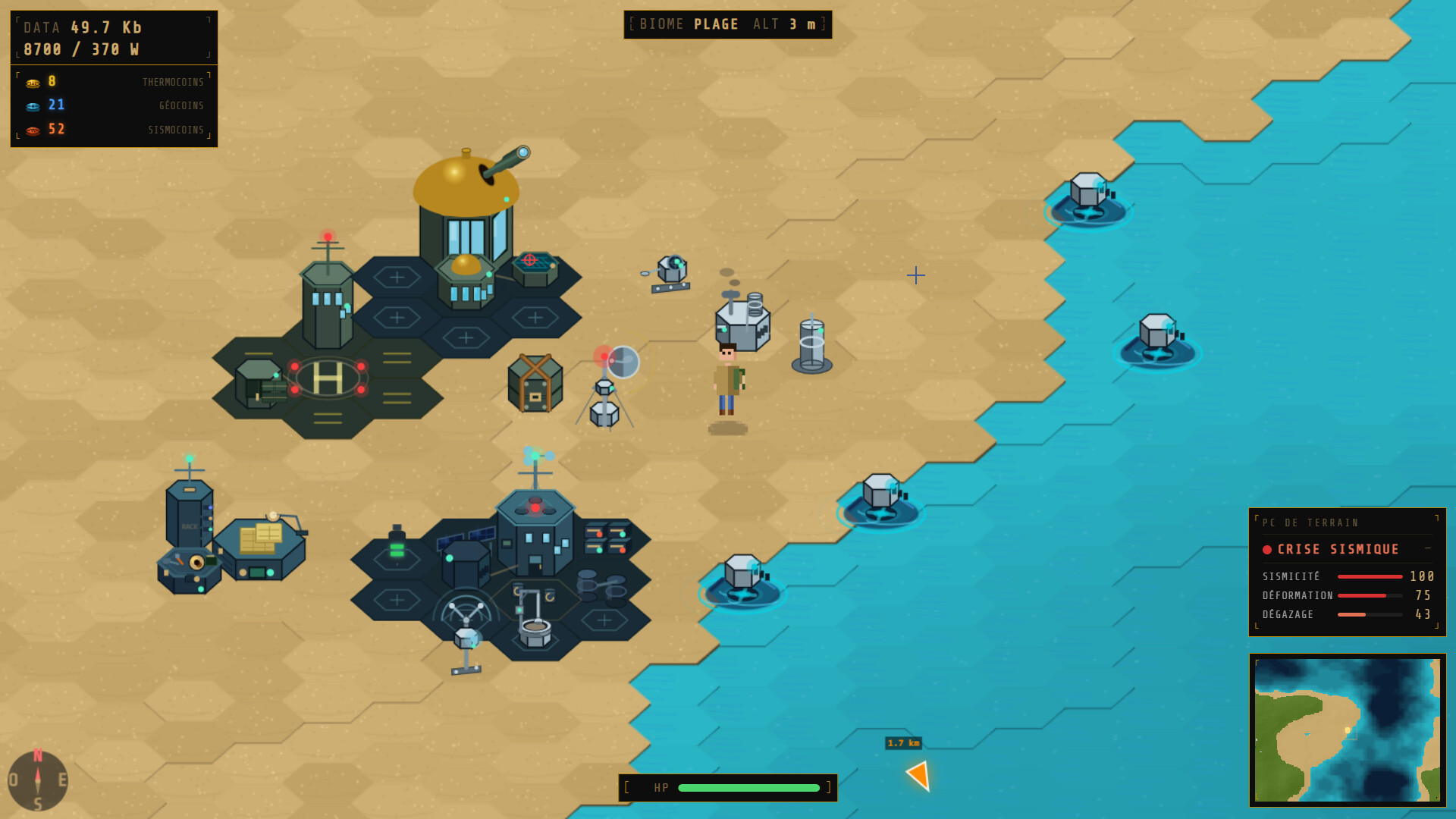
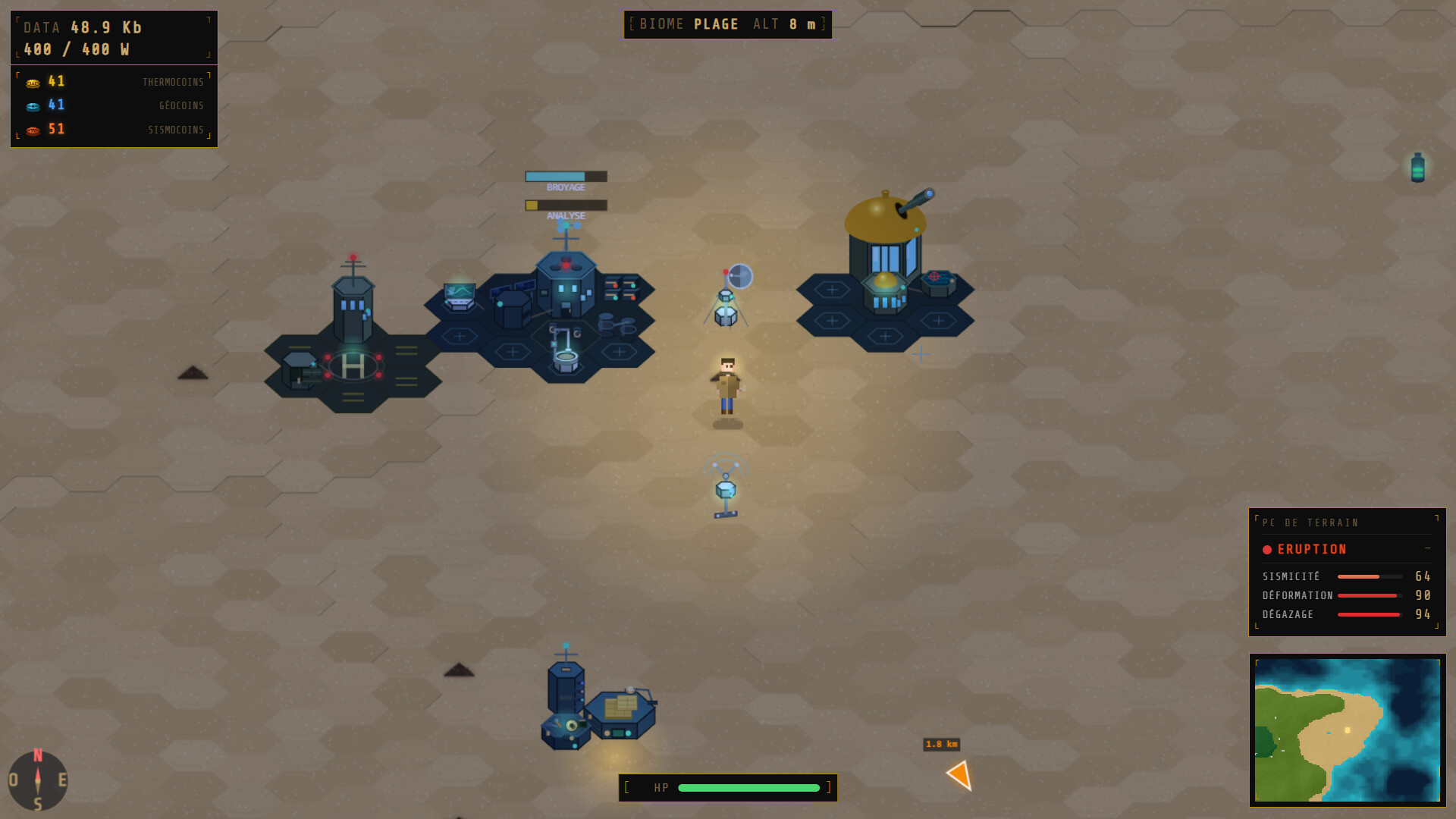
Set up your station
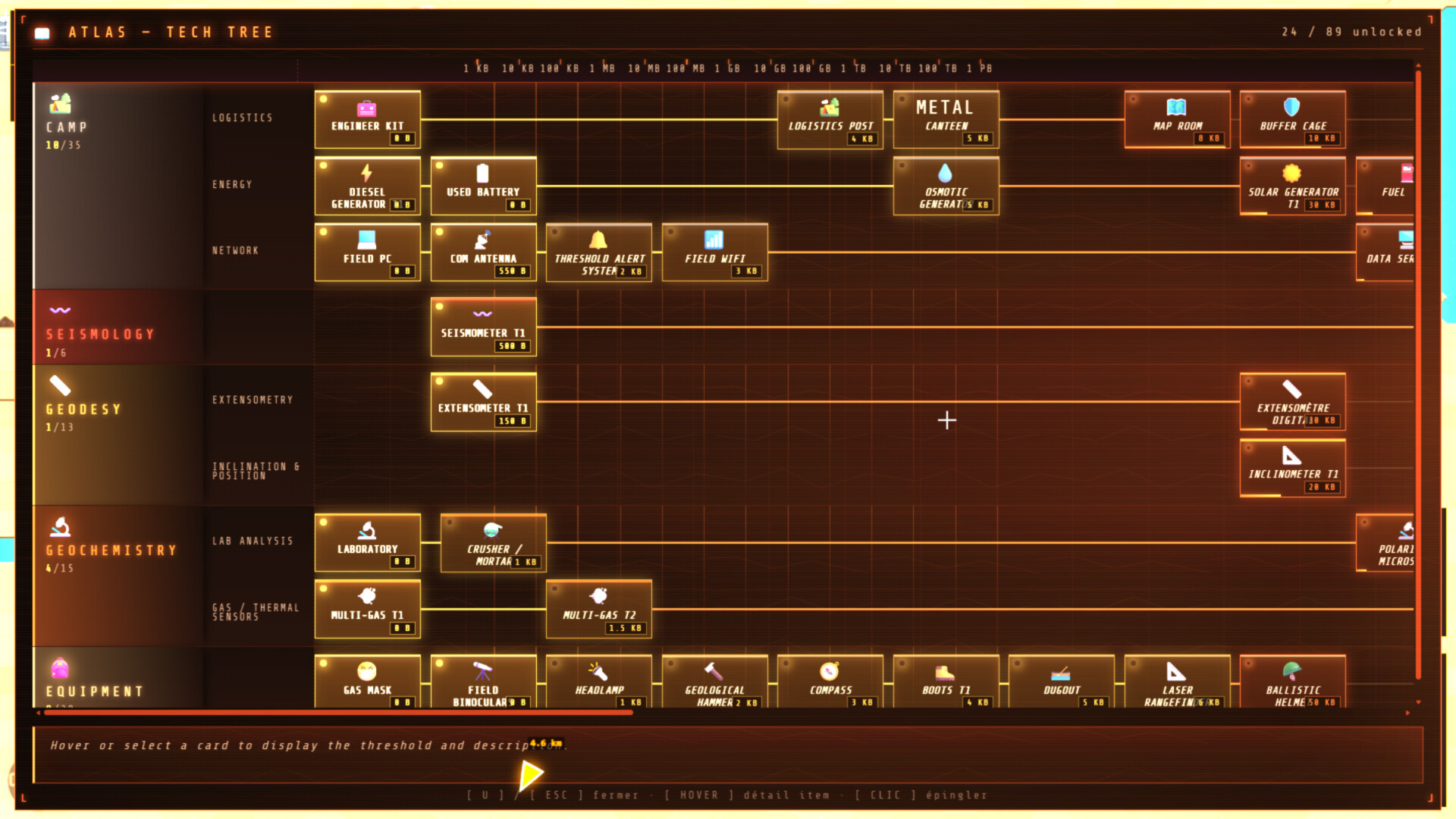
Start by collecting what the terrain offers and ordering equipment through the Institute's supply
chain — a lab, a seismometer, a gas detector. The basics come first, and what comes next depends on what the data starts telling you.
More than one way to grow
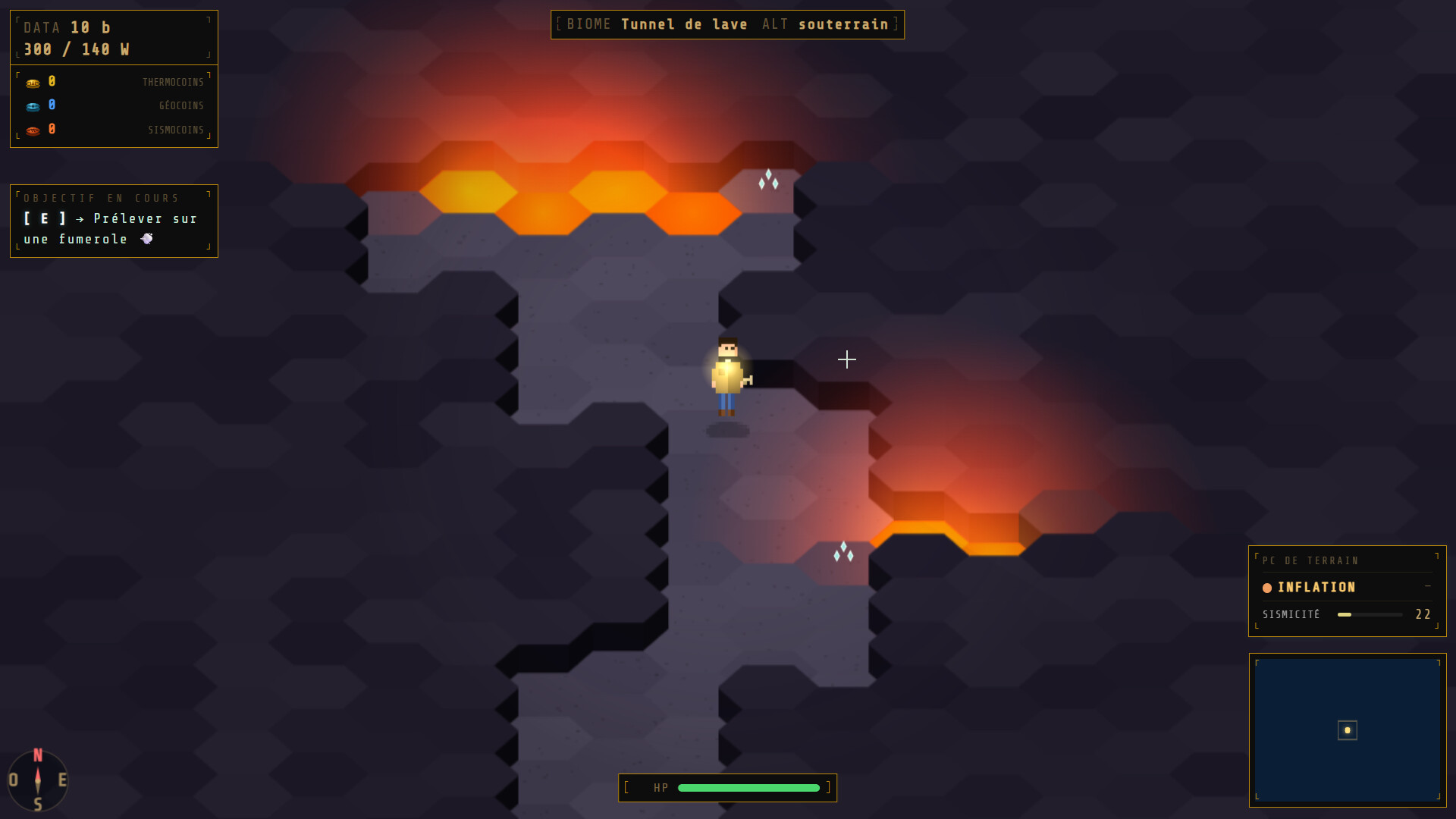
The Institute pays for your research, but they're not the only buyer on the island. Volcanic soils grow crops the port wants. Lava tubes yield what a less official channel will take quietly. Each branch opens what the others can't, and the
station you end up building reflects which markets you served.
Learn what the volcano is saying
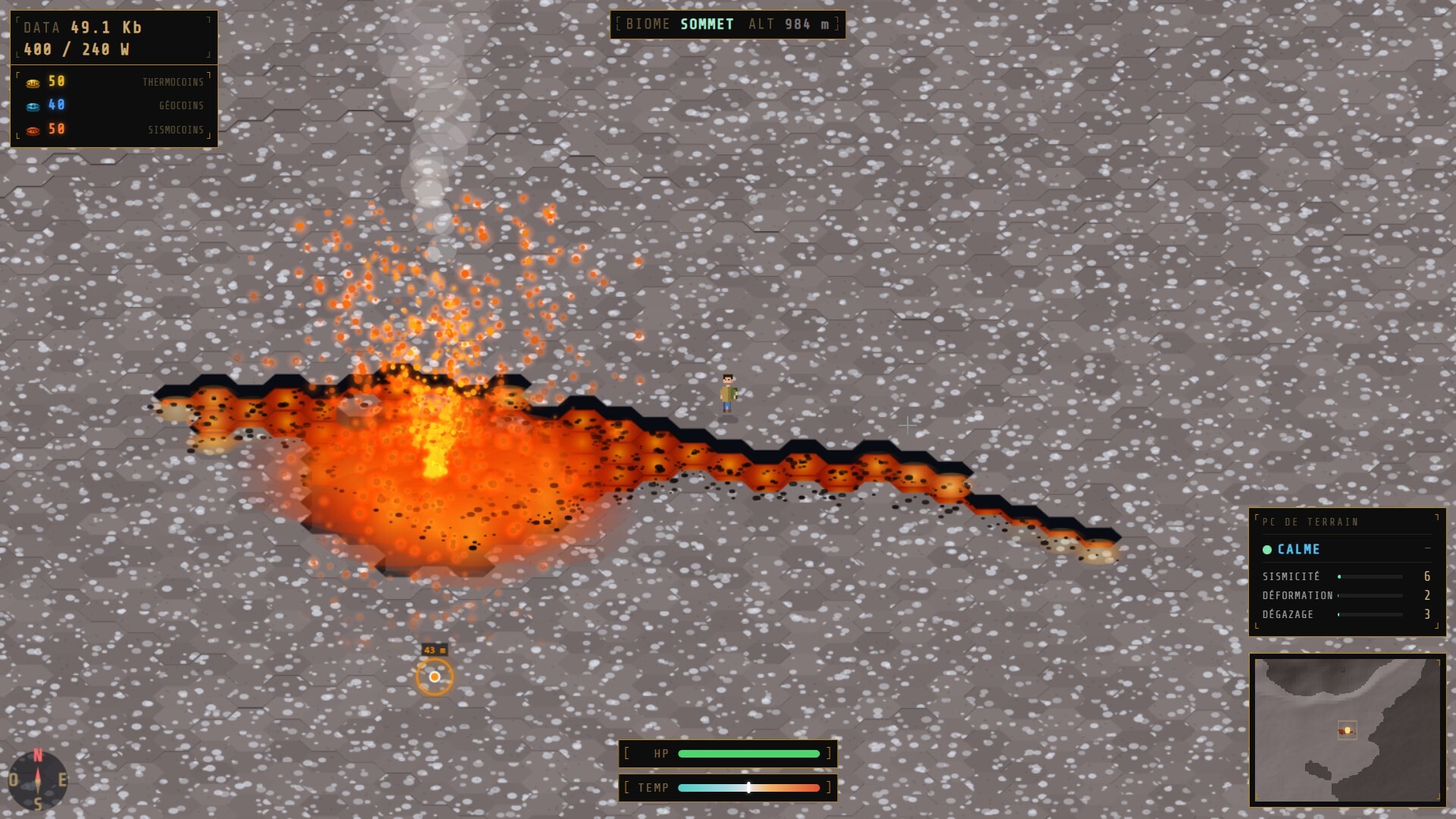
Seismic signatures, SO₂ concentrations, ground deformation: each instrument reveals a fragment of a larger picture, and none of them tells the whole story on its own. Learning to read them together, and to recognize patterns from noise, is the work.
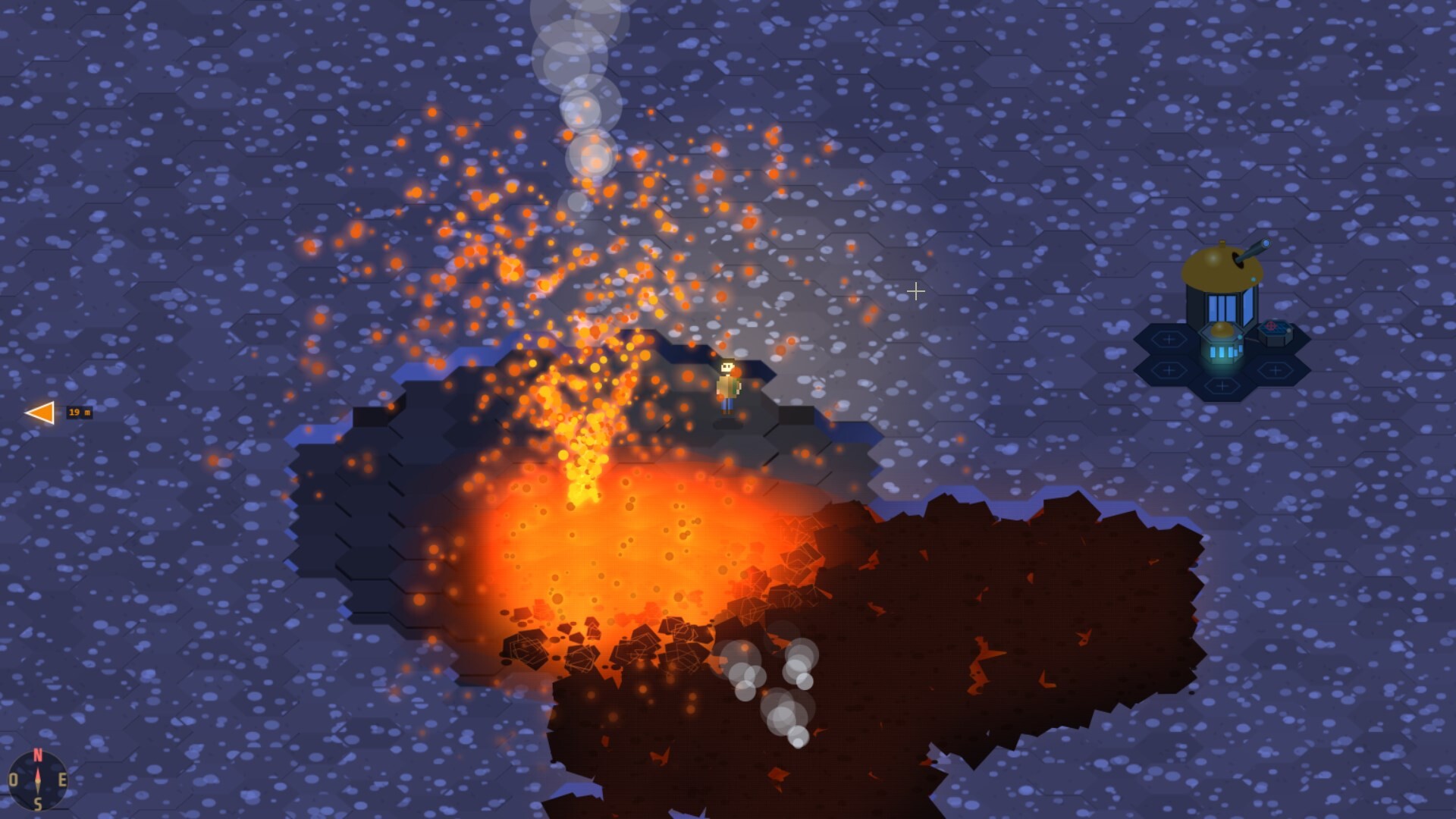
A volcano that actually behaves like one
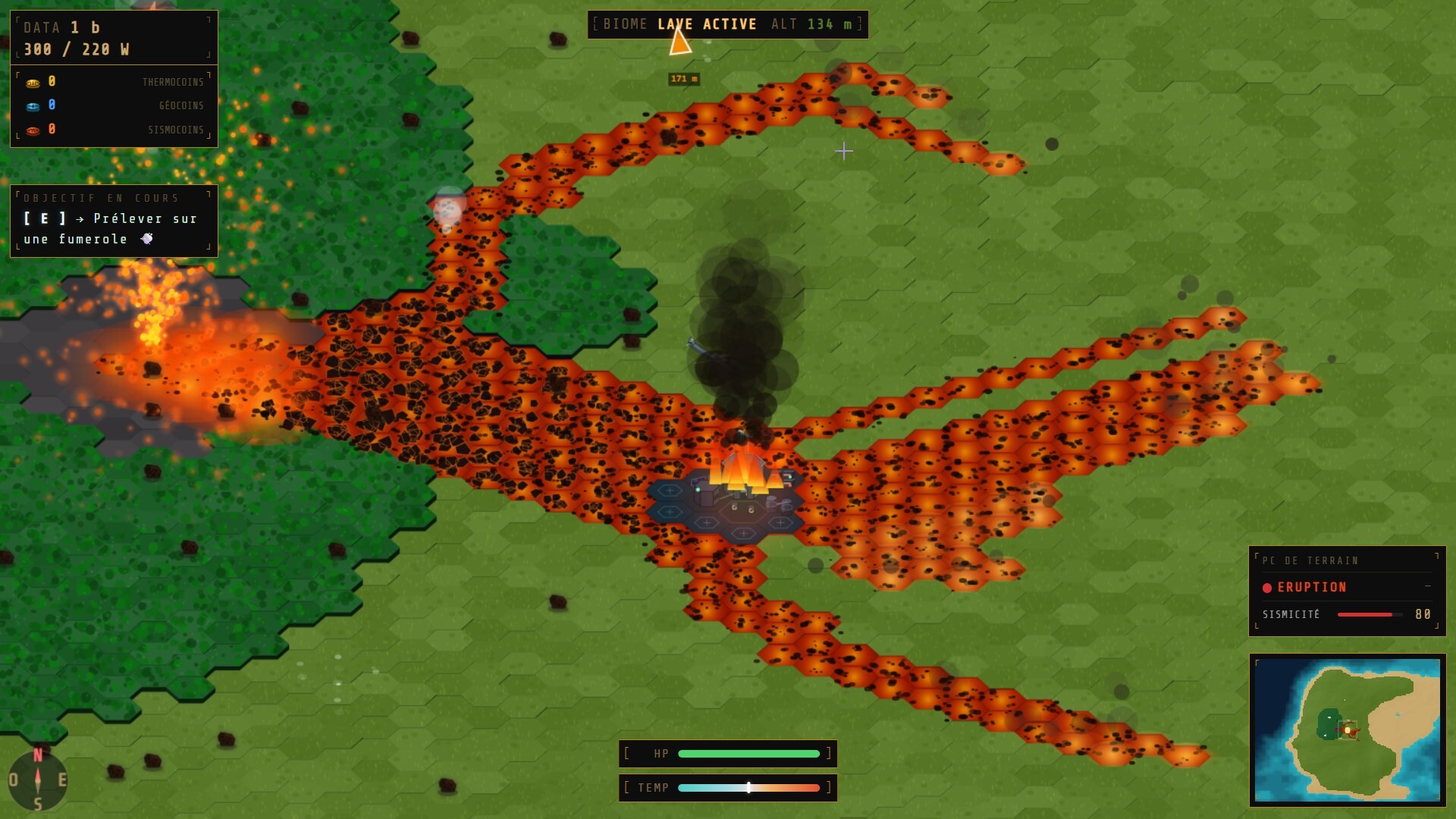
The eruption cycle runs on a physically coherent simulation. Precursor signals follow patterns you can observe, interpret, and — with time — anticipate. When you call it right, you'll know exactly why.
Make the call
Alert the Institute. Or hold on for more data. The decision belongs to you, and so does everything that follows.