—
메타크리틱
0개
DLC
Steam
플랫폼
캐주얼, 대규모 멀티플레이어
장르
출시 예정
플랫폼별 가격 비교
가격 히스토리
차트 로딩 중...
게임 소개
The whole world is the map
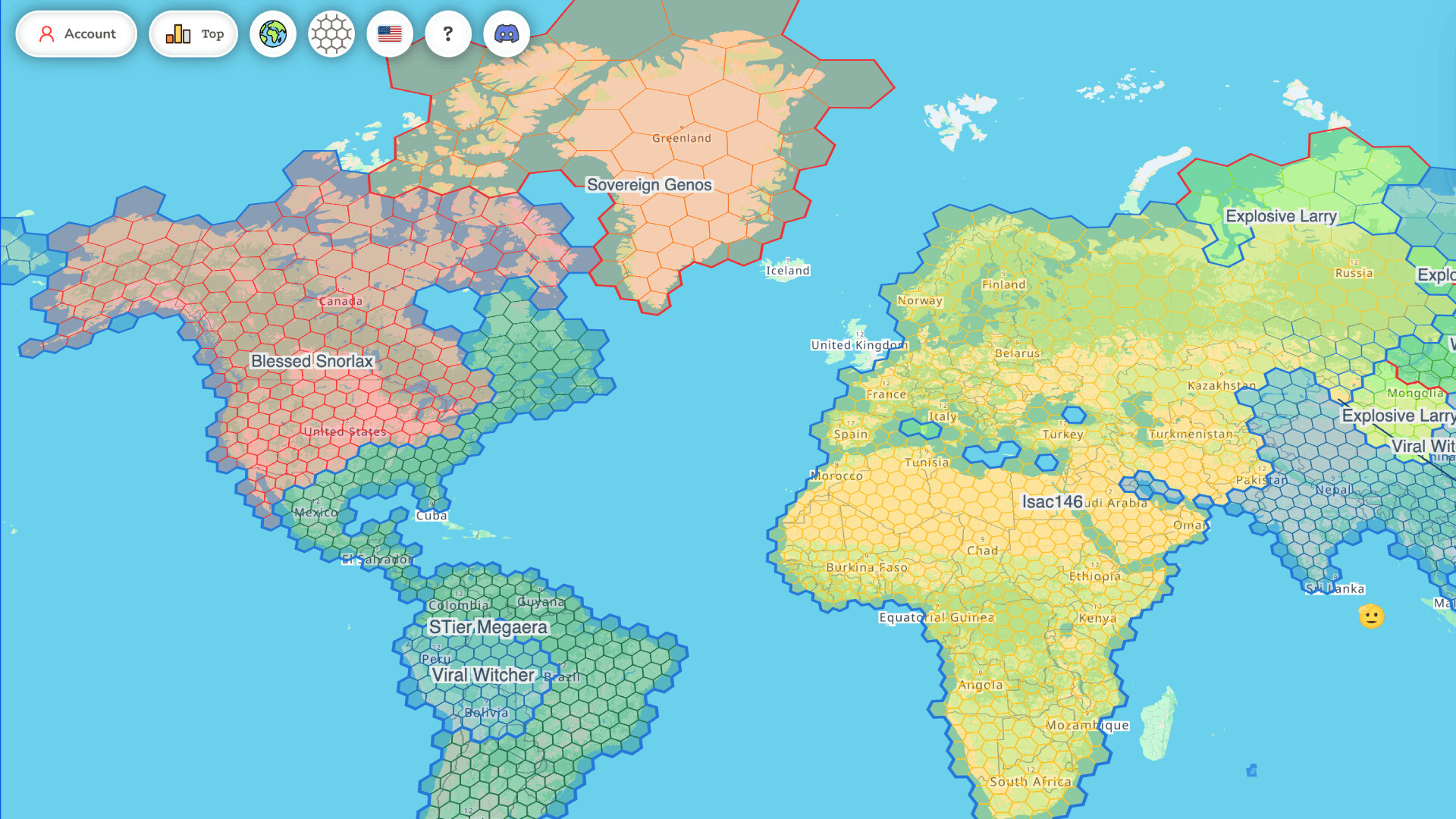
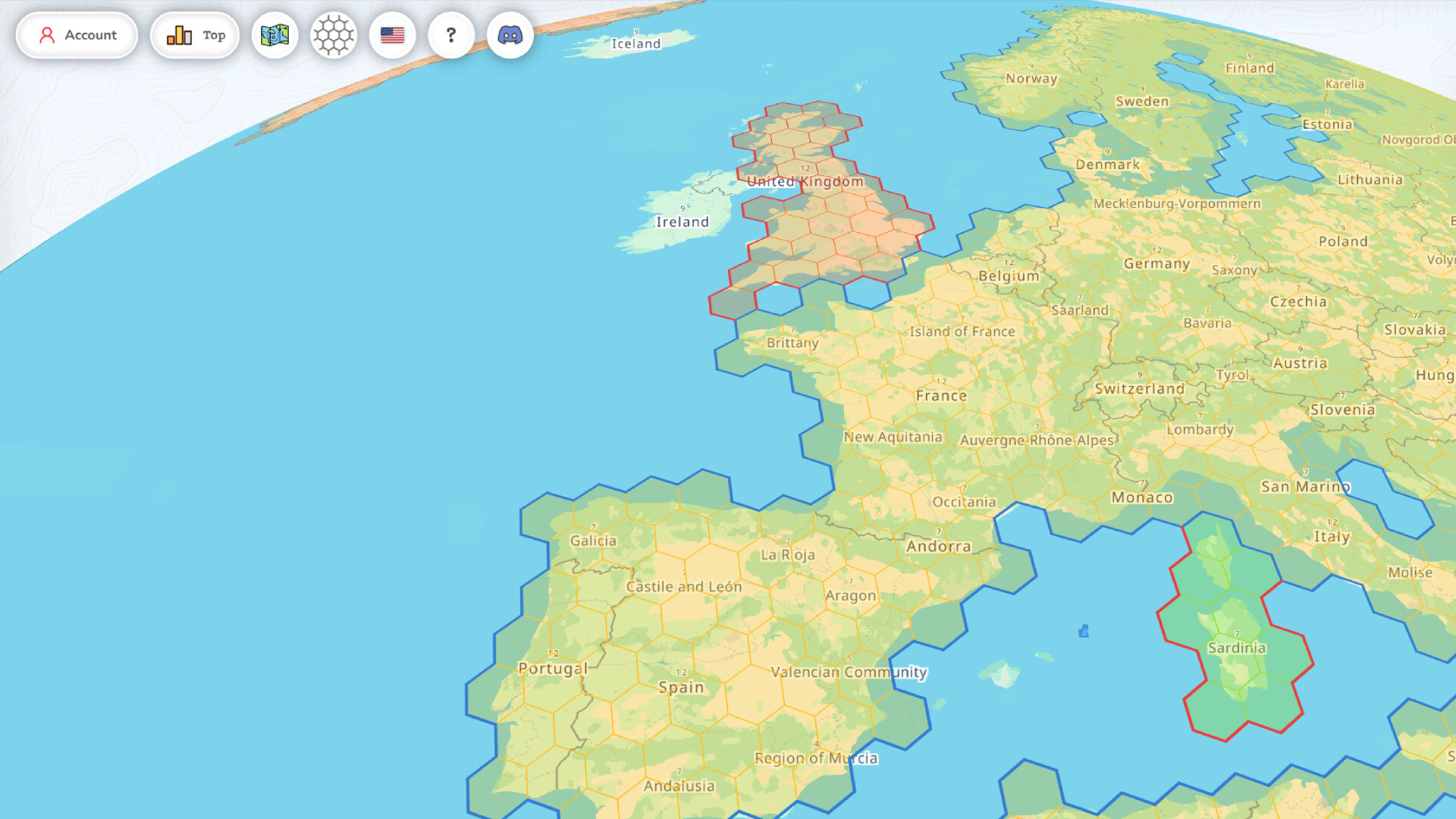
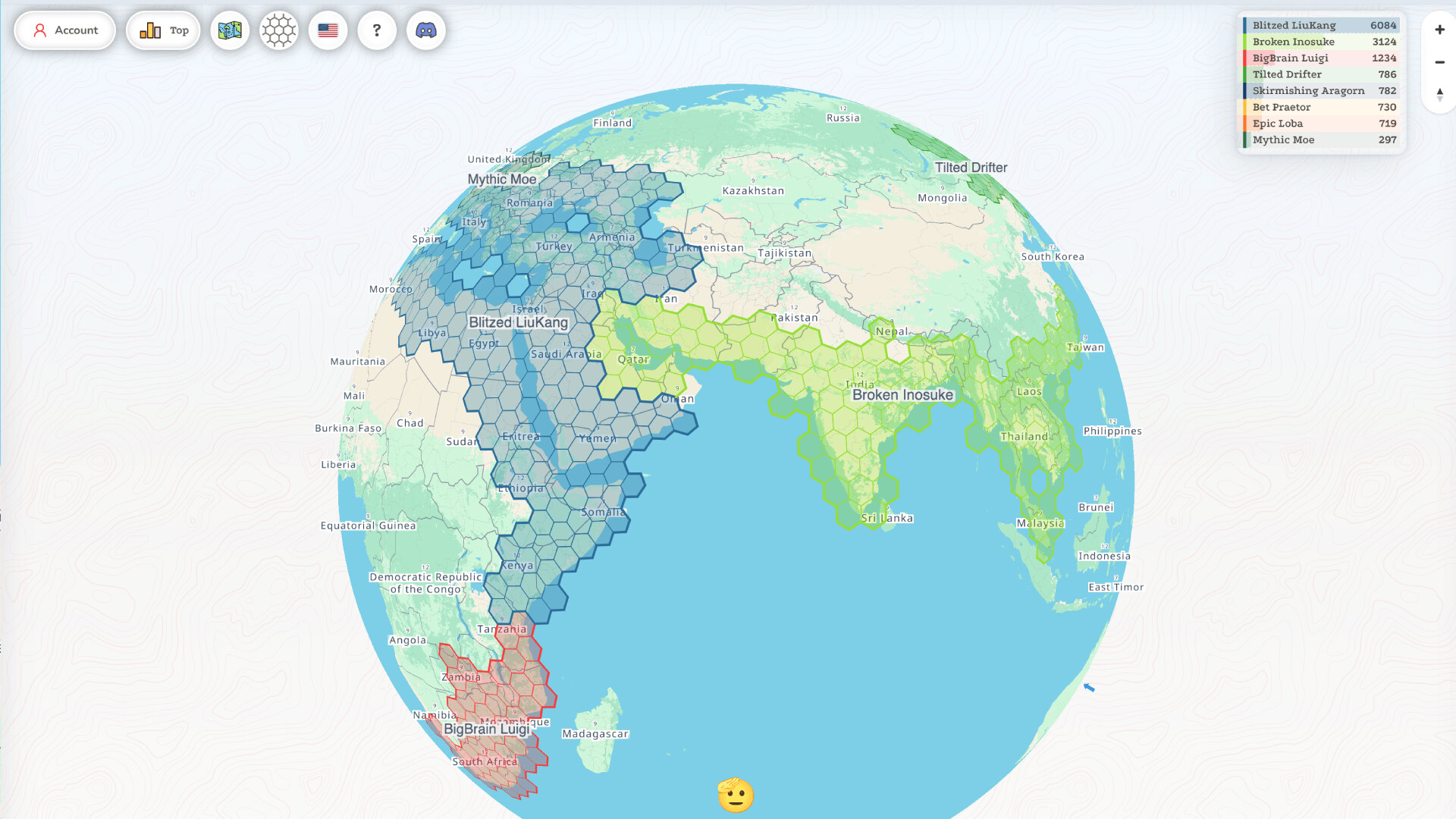
Hexpand drops you onto real geography — actual cities, capitals, coastlines, and continents — and asks one question: how much of it can you take?
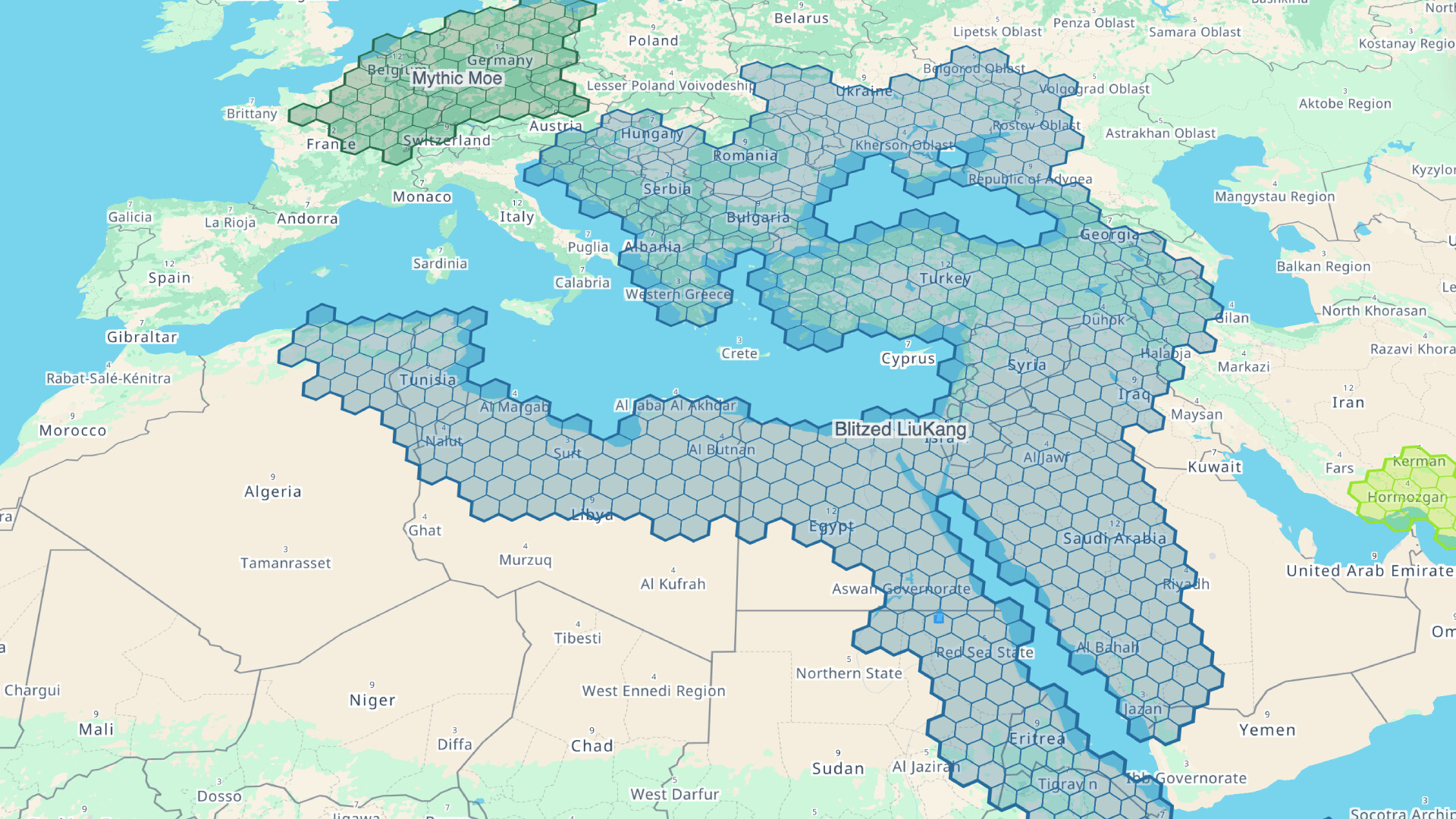
Your territory expands automatically, tick by tick, spreading across the hex grid from wherever you started. Income flows from the land you hold and the cities you capture. Spend it on fortifications and planes. Watch your neighbors do the same.
It starts peaceful. It gets political fast.
Core mechanics
Real-world map — oceans block expansion, peninsulas become chokepoints, island nations are harder to crack than they look.
City income — capture cities, capitals, and megacities for passive income bonuses that compound across the match.
Planes — spend points to launch a plane. It jumps your expansion across any distance: cross oceans, flank enemies, take a continent from behind.
Alliances — propose a 5-minute truce with any player. Share borders, coordinate attacks, buy time.
Betrayal — send a plane into your ally's territory to dissolve the alliance and take what's theirs. Everyone does it eventually. Friendships rarely survive a session.
Fortify — spend income to harden your hexes. Fortified territory resists capture longer, buying you time when you're surrounded.
Game modes
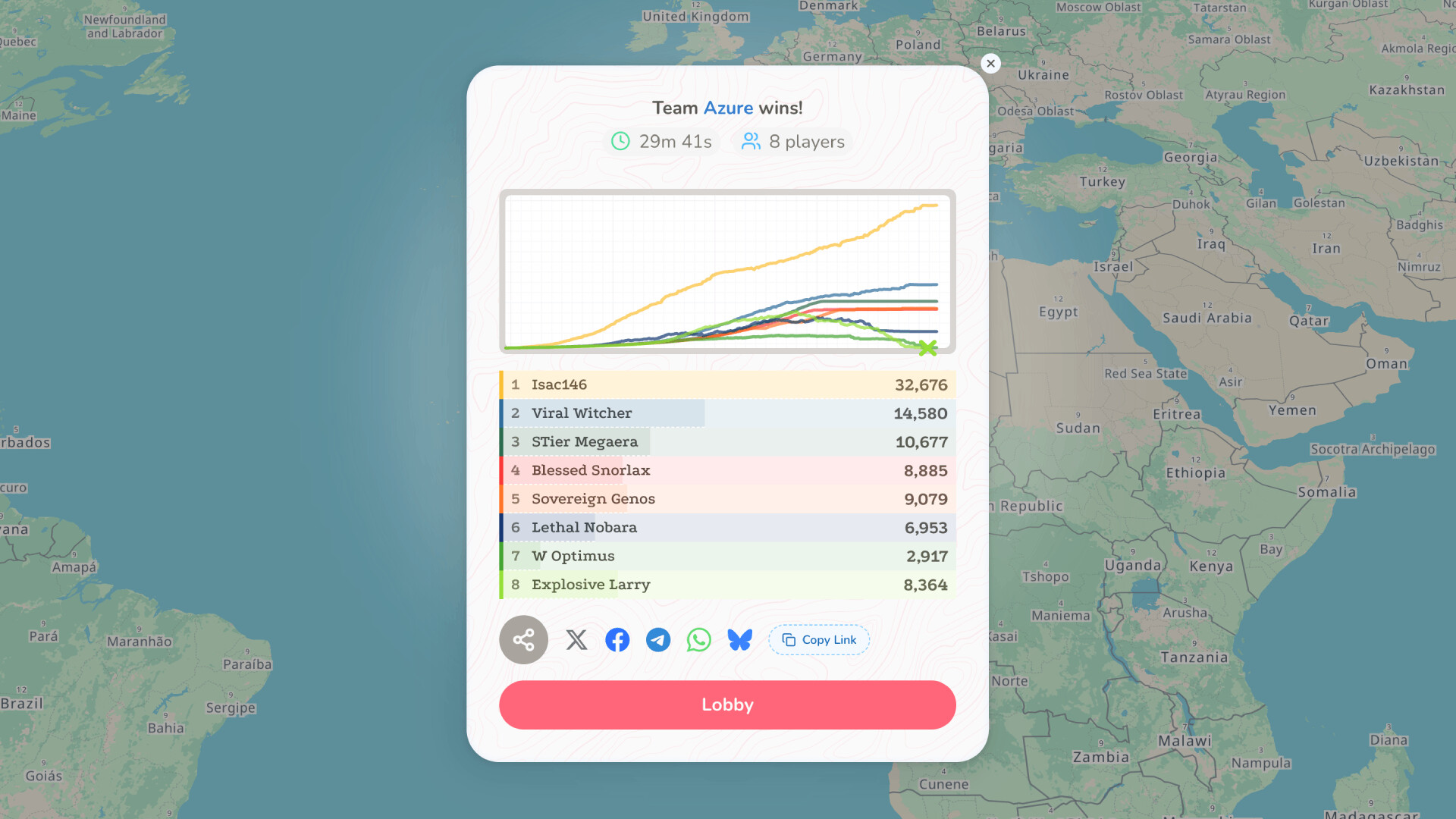
Conquest — eliminate every other player. Last color standing wins.
Blitz — faster ticks, shorter matches. For when you want to lose a continent in under 10 minutes.
Frontier — hold 90% of a defined region to win. Forces a geographic objective and ends turtle strategies.
Faction — players split into teams. Coordinate with your faction or watch them lose the continent you just handed them.
Quick to start
A built-in tutorial covers the basics. There's also a community wiki if you want to go deeper. Matches run 5–30 minutes depending on mode.