—
메타크리틱
0개
DLC
Steam
플랫폼
어드벤처, 인디
장르
출시 예정
플랫폼별 가격 비교
가격 히스토리
차트 로딩 중...
게임 소개
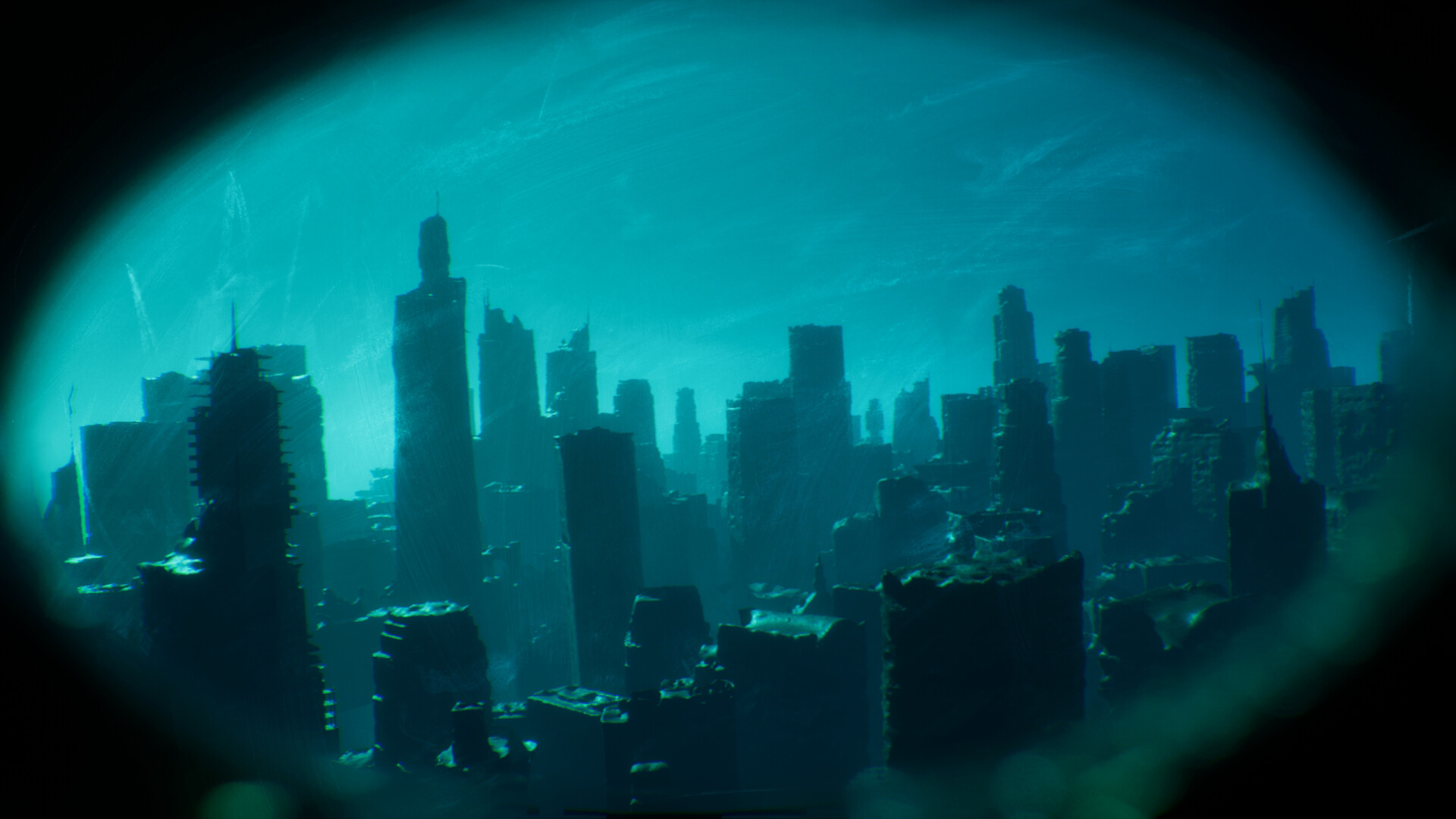
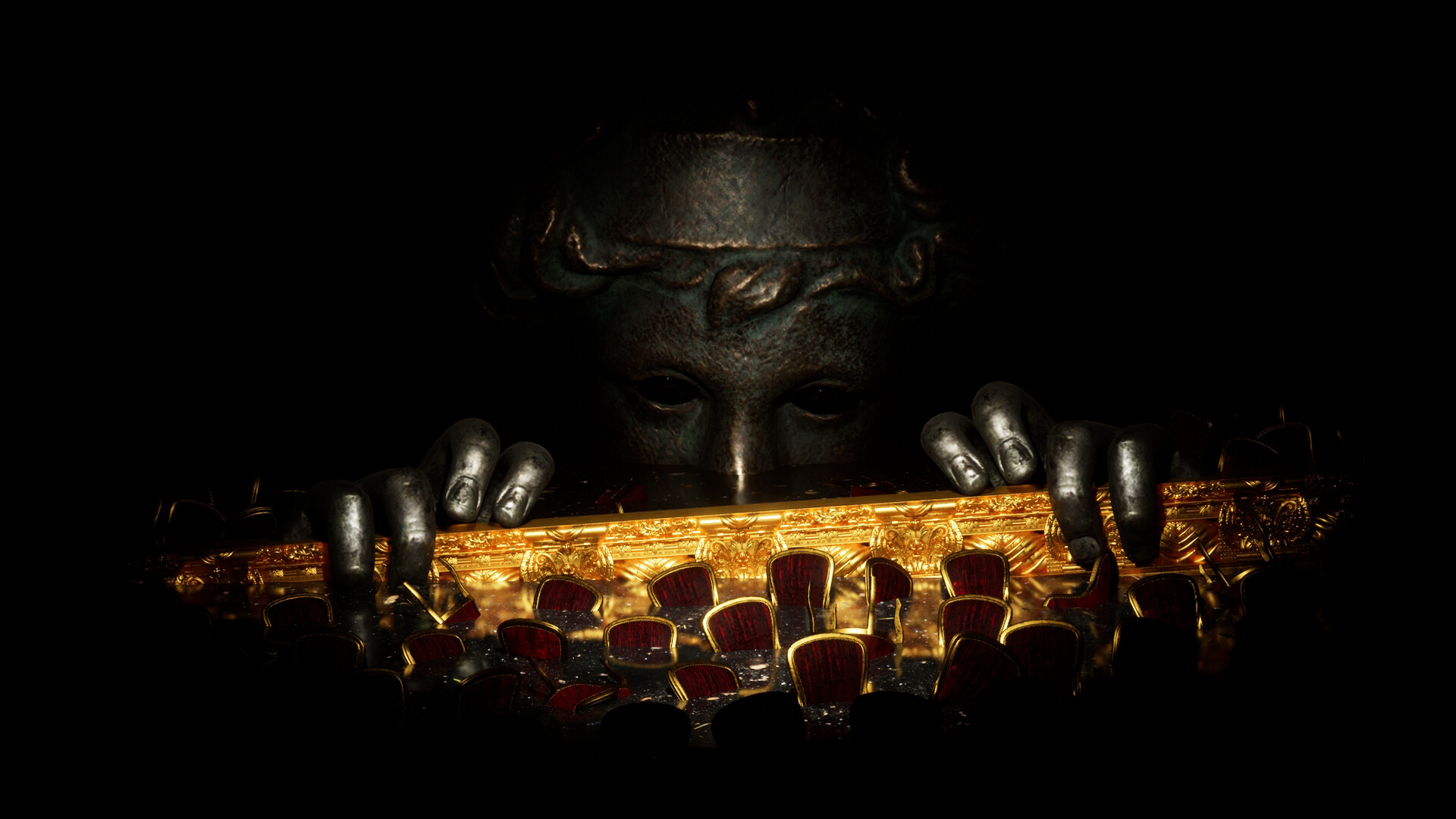
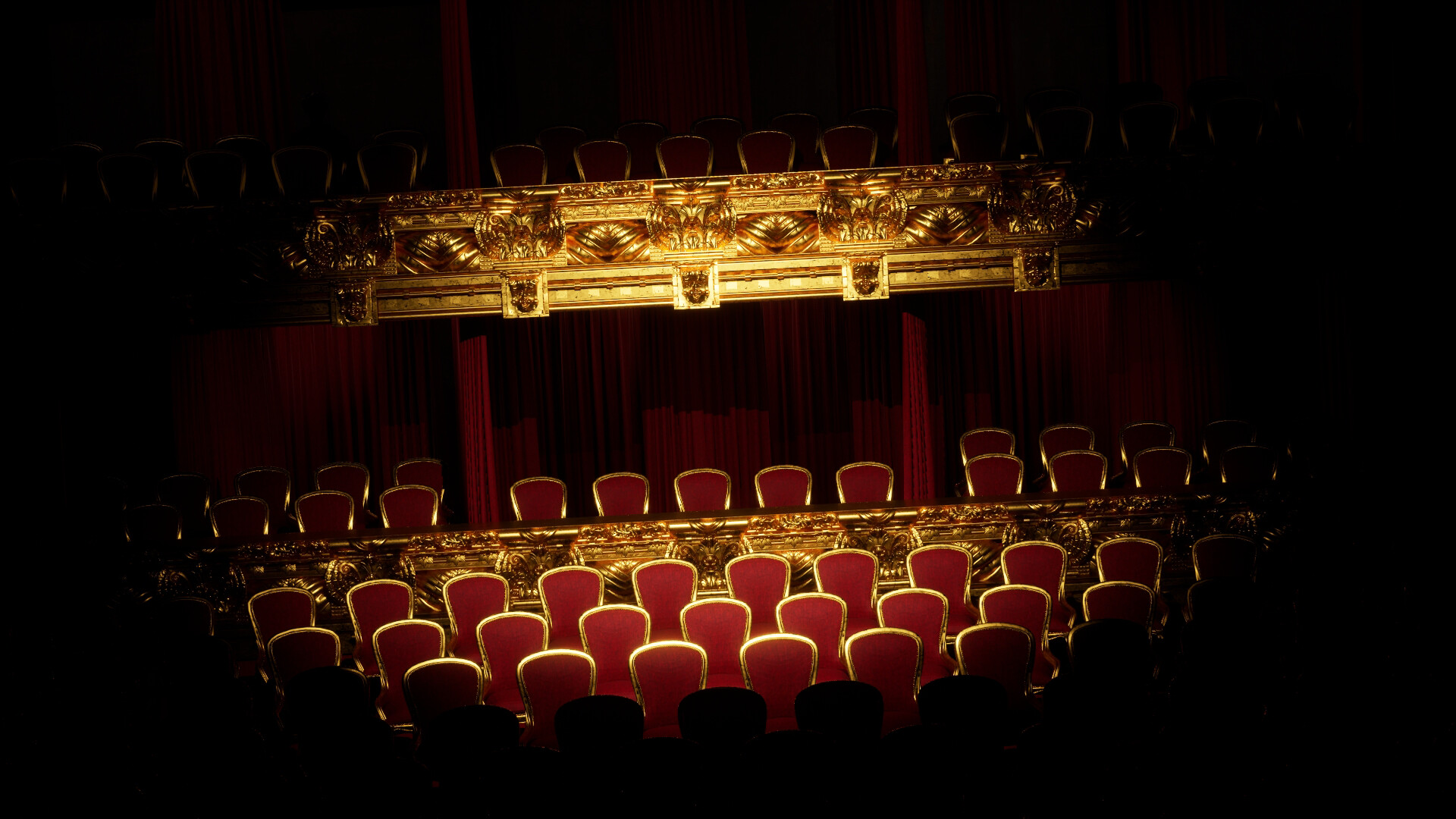
A forgotten theatre lies beneath a drowned world
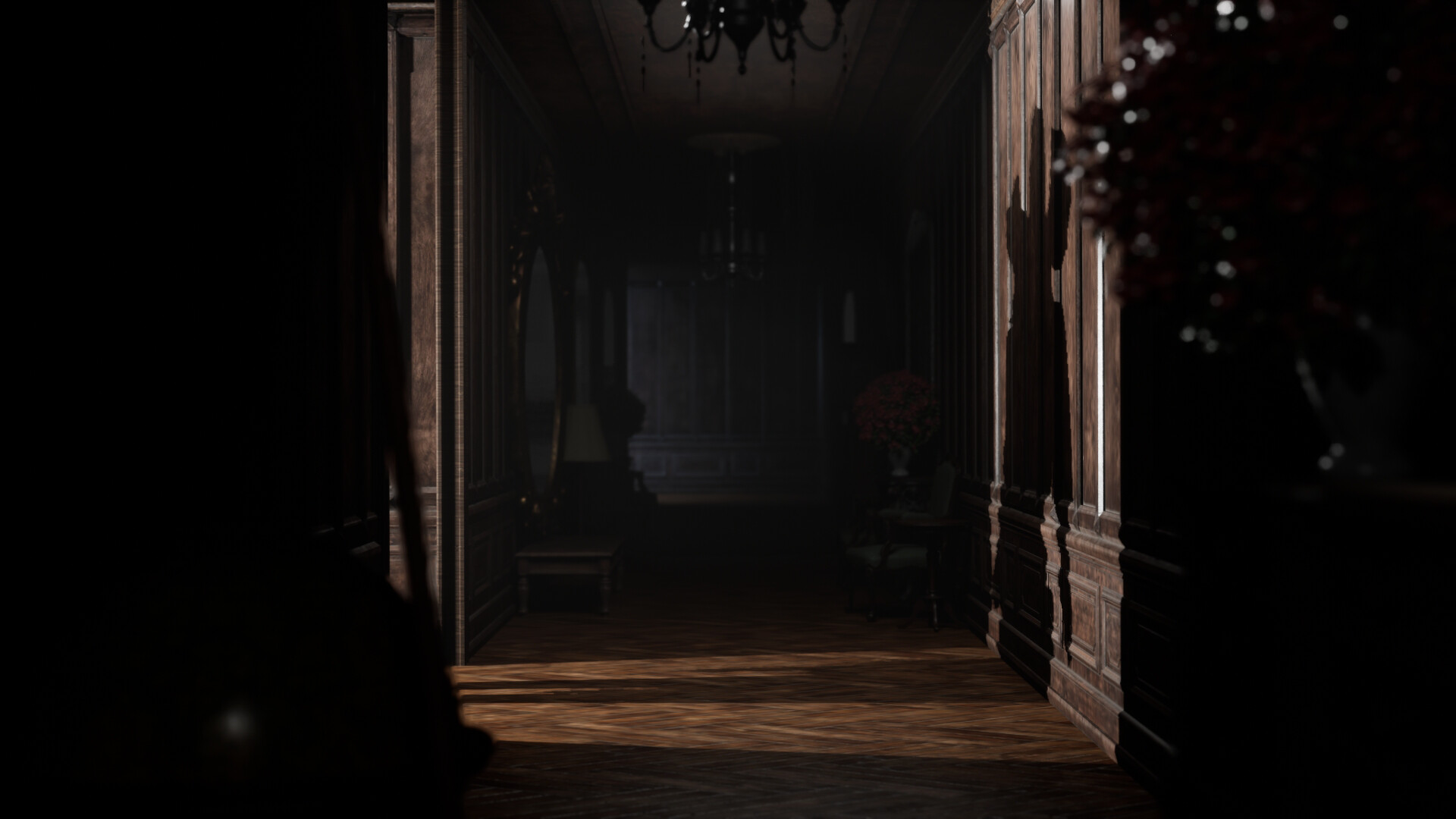
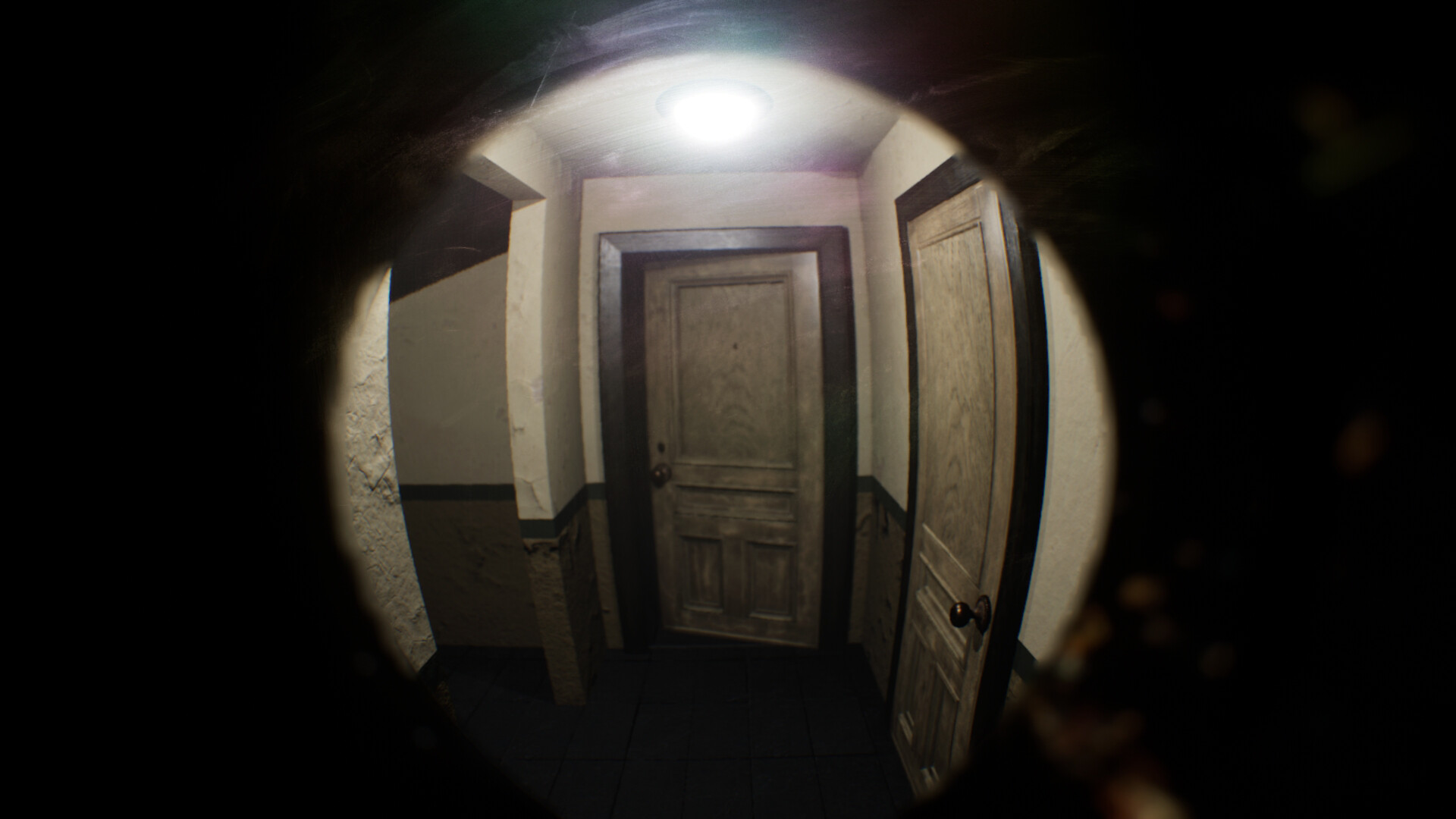
House of Tides is a first-person psychological sci-fi horror game set inside a shifting labyrinth of memories, imagined lives, fractured identities, and impossible stages.
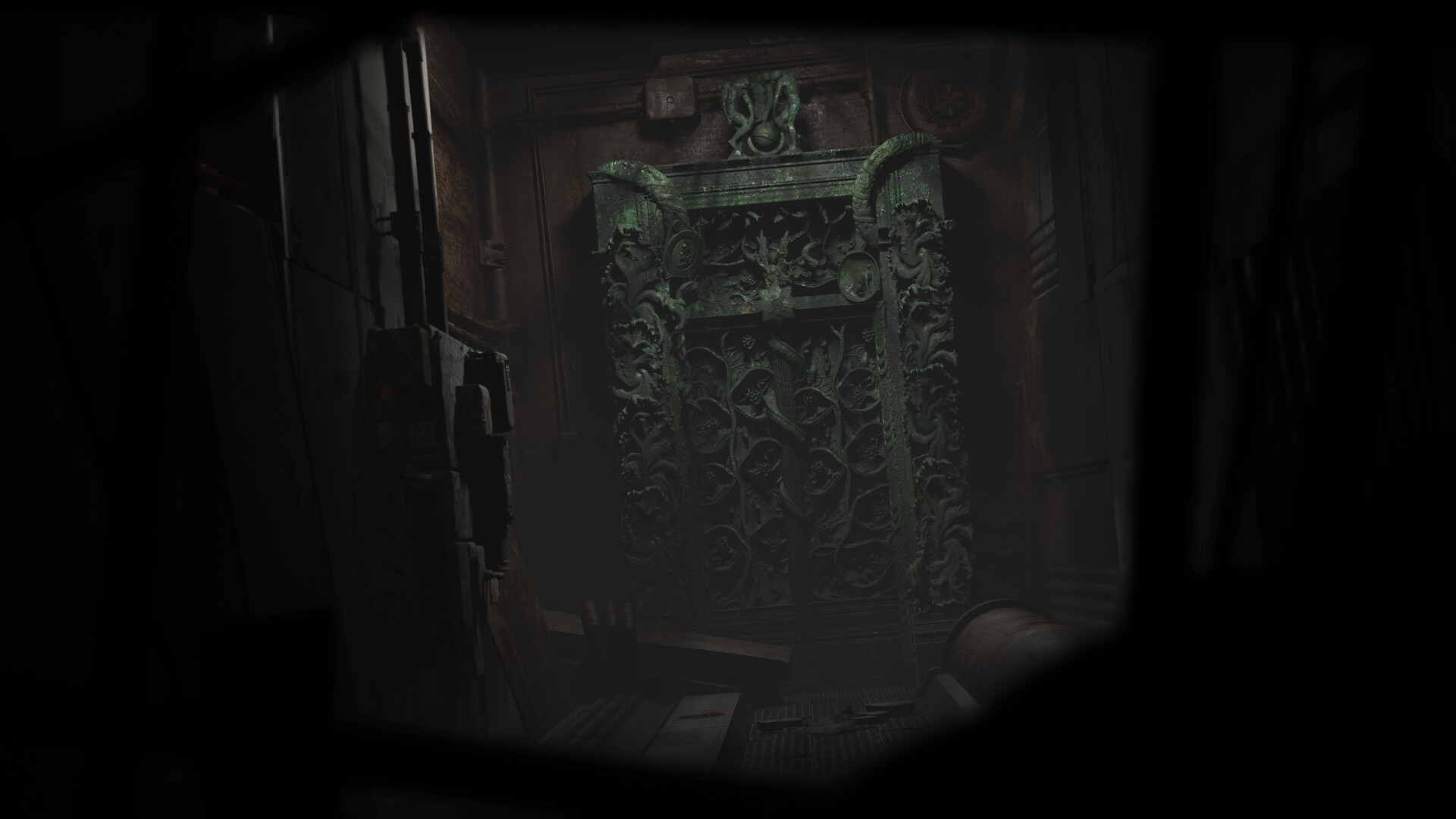
Follow an anomalous signal into a theatre that has survived for centuries below the ocean. Built with the wondrous technology of a civilisation before its collapse, the theatre can recreate entire spaces from memories, plays, archives, dreams, and fictional worlds.
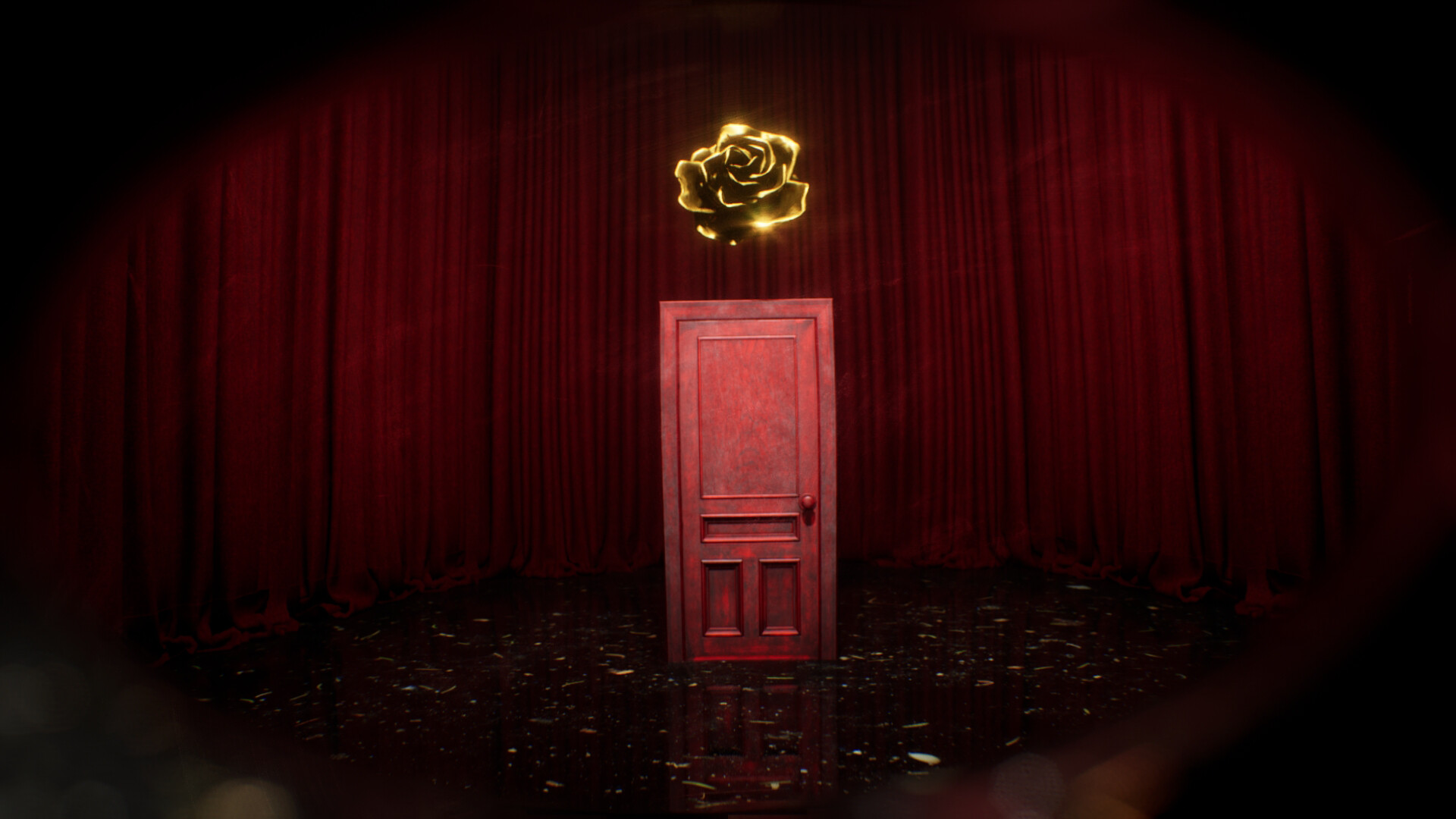
As you descend, its systems begin to open around you: rooms become stages, memories bleed into performances, fictional characters carry private wounds, and places return changed by grief, guilt, obsession, and the need for absolution.
At the centre of House of Tides is a story about human tragedy, isolation, and the fragile ways people try to reach one another, even across memory, performance, fiction, and forms of life whose nature is uncertain.
A first-person psychological sci-fi horror experience
House of Tides is built around exploration, perception, sound, diegetic interaction, environmental investigation, and narrative discovery. Examine objects, read fragments, operate strange theatre systems, follow distant sounds, and use your technological bracelet to connect with the theatre and shift between different spaces.
Some areas behave like labyrinths. Others unfold as environmental puzzles where rooms, props, memories, and staged scenes must be transformed to open a path forward. Many puzzles are diegetic, tied closely to the history of the place, the people inside it, and the emotional logic of the scenes you are moving through.
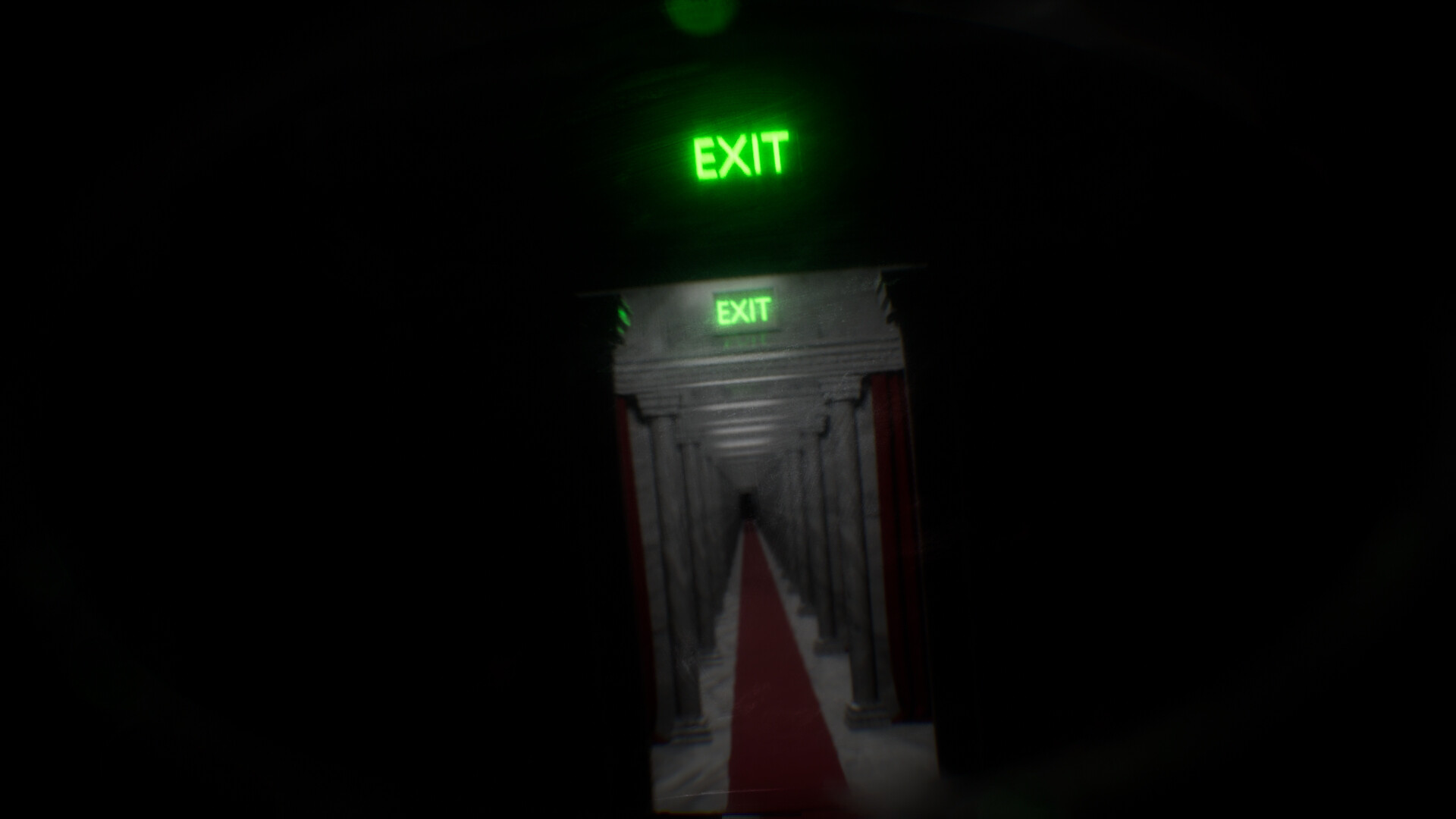
Horror develops through atmosphere, sensory dissonance, silence, spatial distortion, intimate memories, unstable performances, and the gradual collapse between fiction and reality.
Memories, plays, and lives that refuse to stay separate
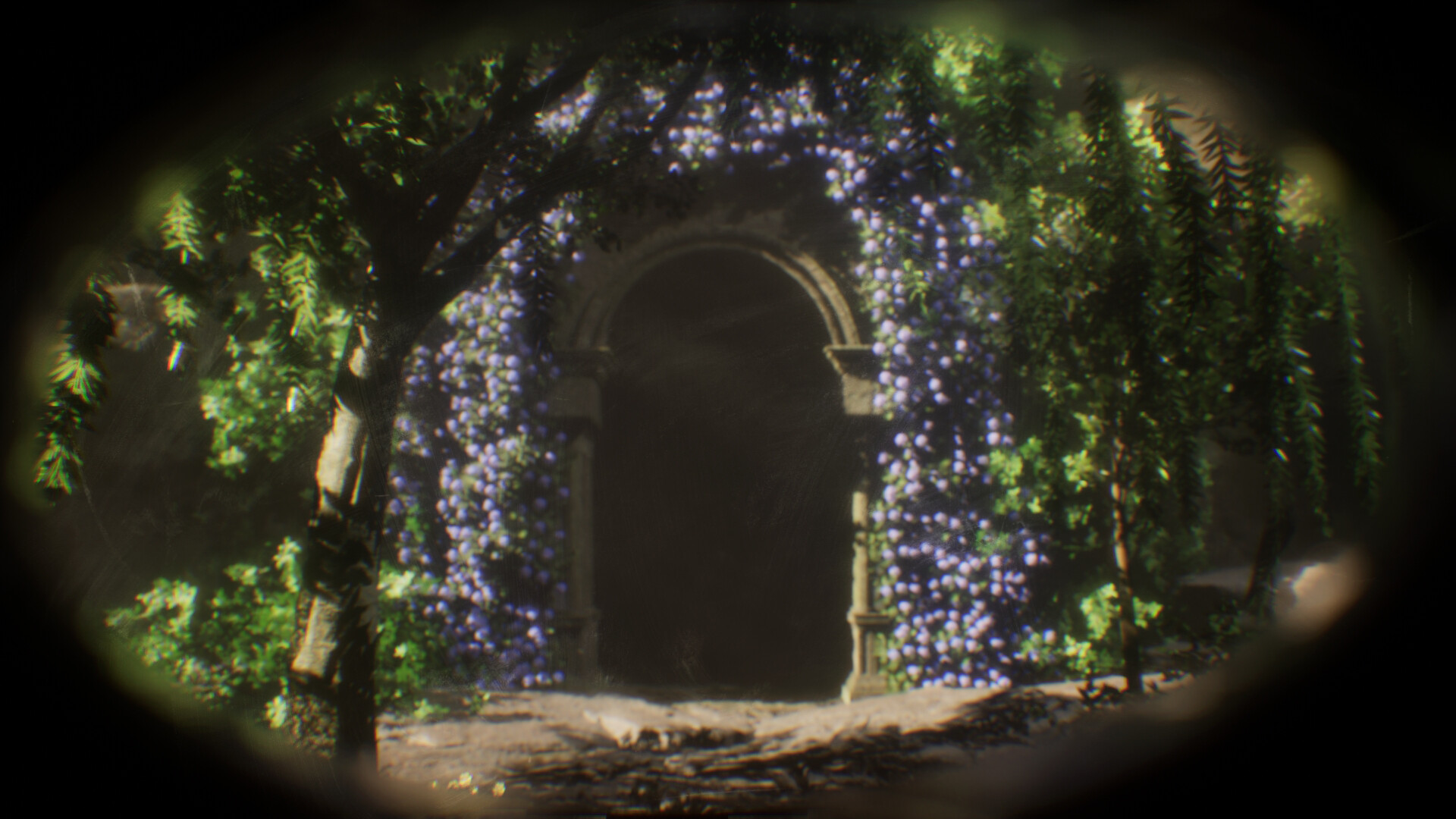
The theatre unfolds as a surreal labyrinth shaped by personal memories, theatrical works, damaged archives, fictional characters, and unstable projections. You will move between remembered places and staged worlds, often watching them merge until it becomes unclear which details belong to a life, a performance, a trauma, or a character invented to survive it.
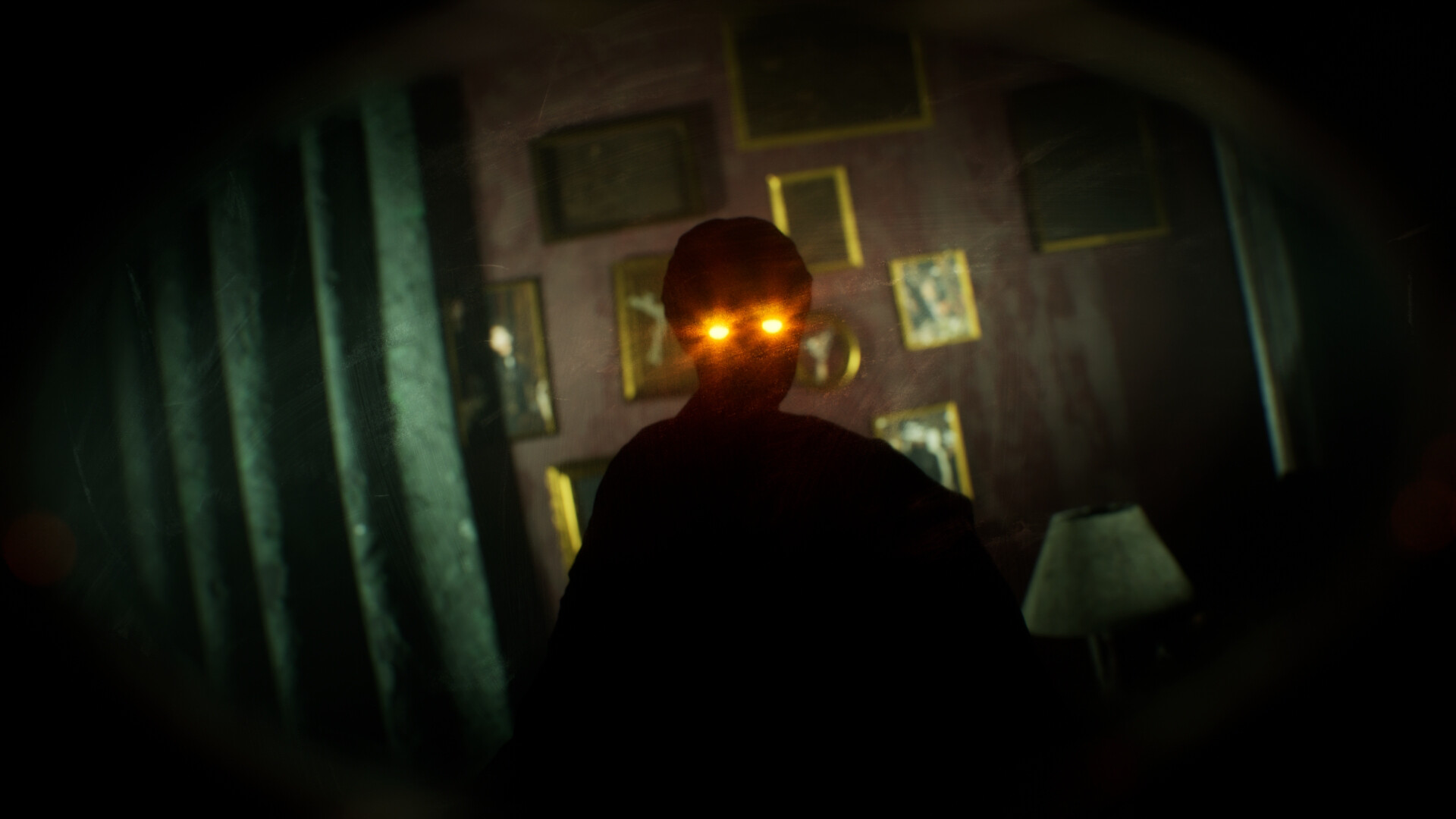
The people you encounter are human, strange, wounded, funny, secretive, and difficult to fully understand. Their stories move through mystery, humour, dreams, beauty, fear, and hidden trauma.
Sound as part of the narrative
Sound is central to the experience. Distant voices, distortions, echoes, recordings, breathing, music, silence, and impossible sounds are used to guide attention, create tension, reveal meaning, and provide clues for progression.
Some moments are designed to be understood through listening before they are understood through image.
Key Features
First-person psychological sci-fi horror set inside a forgotten theatre beneath a drowned world.
Explore a shifting labyrinth of memories, plays, imagined lives, damaged archives, and fractured identities.
Investigate environments through objects, documents, recordings, staged fragments, and diegetic interaction.
Use a technological bracelet to connect with the theatre’s systems and shift between different spaces.
Solve diegetic puzzles that transform rooms, stages, memories, and fictional settings to open a path forward.
Navigate surreal spaces where memories, theatrical works, fictional characters, and personal trauma gradually merge.
Follow sound as a narrative and mechanical clue: voices, echoes, music, silence, distortions, and distant signals can guide progression.
Encounter complex characters shaped by mystery, humour, dreams, beauty, fear, and secret wounds.
Experience a story about grief, guilt, obsession, isolation, and the fragile need to connect with others.
A compact narrative horror experience with no traditional combat focus.