—
메타크리틱
0개
DLC
Steam
플랫폼
액션, 어드벤처
장르
출시 예정
플랫폼별 가격 비교
가격 히스토리
차트 로딩 중...
게임 소개

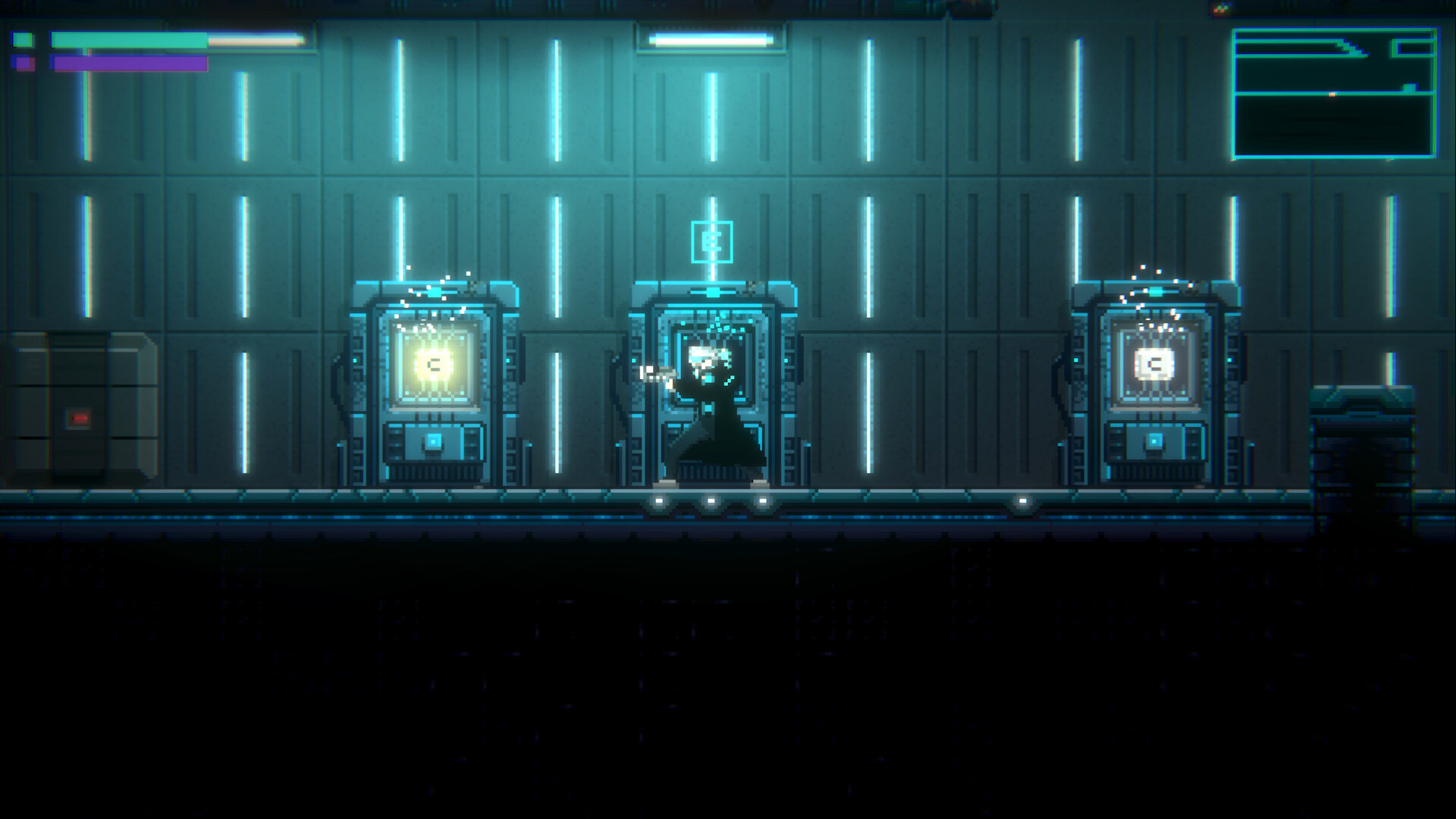
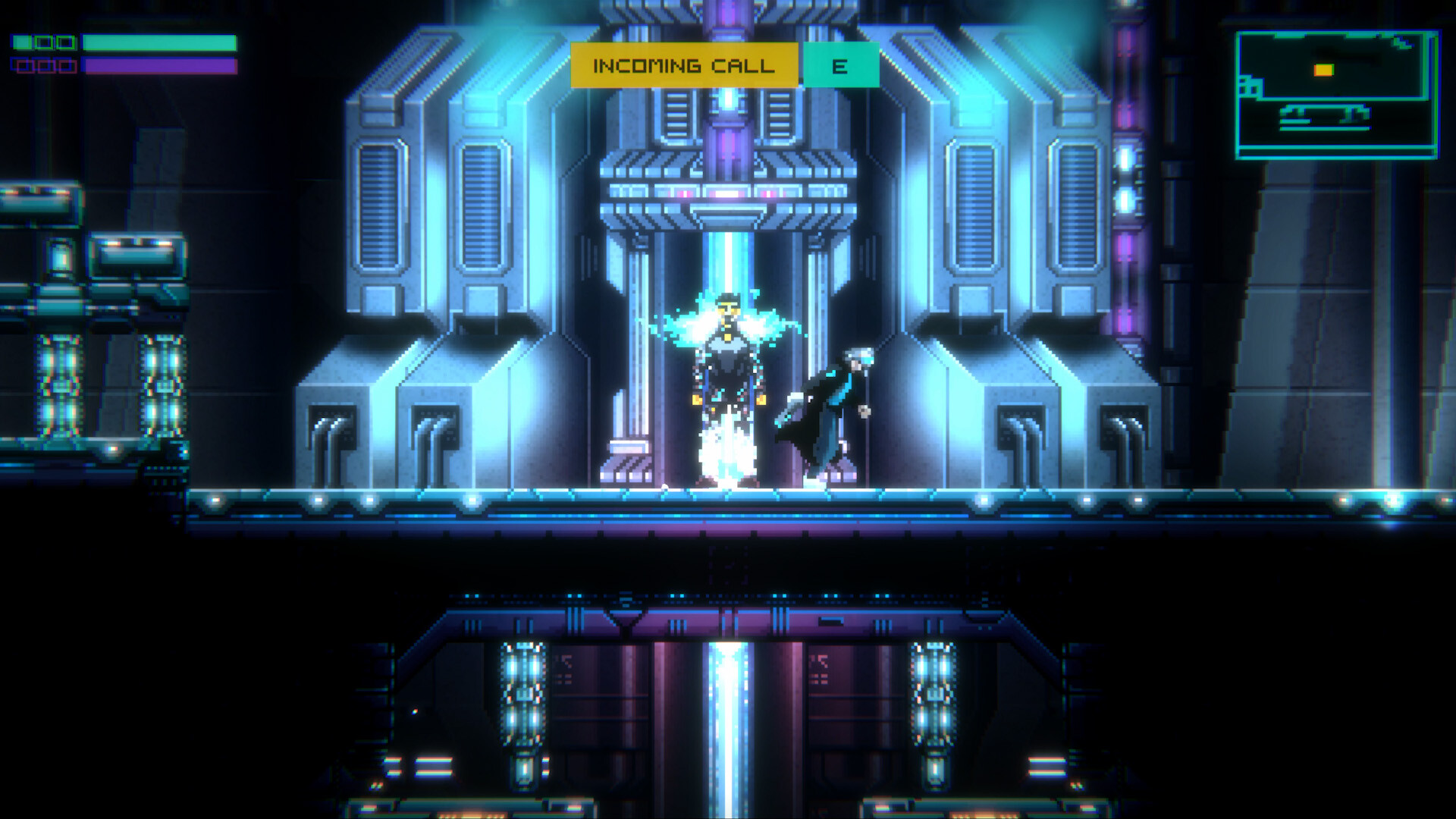
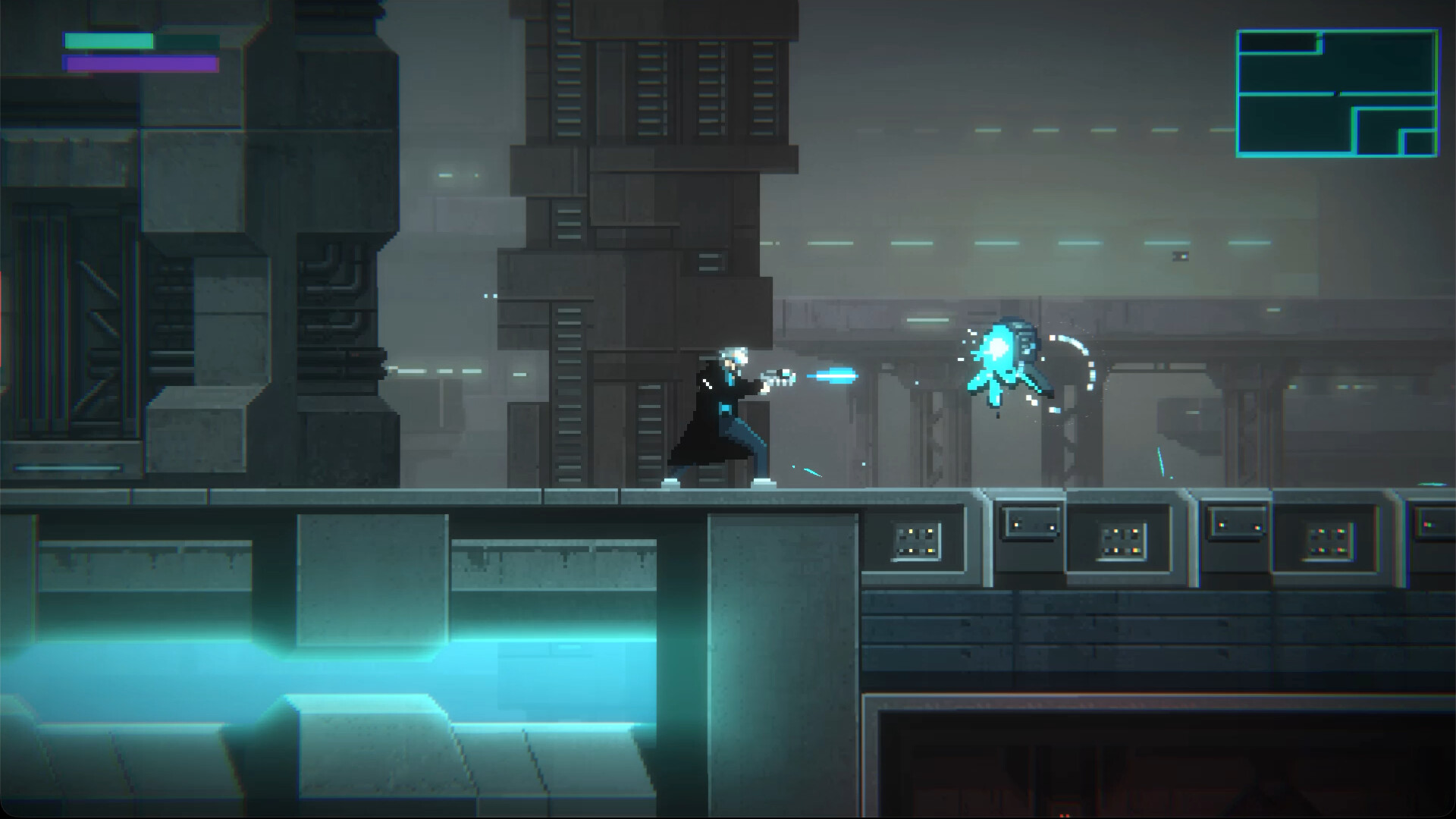
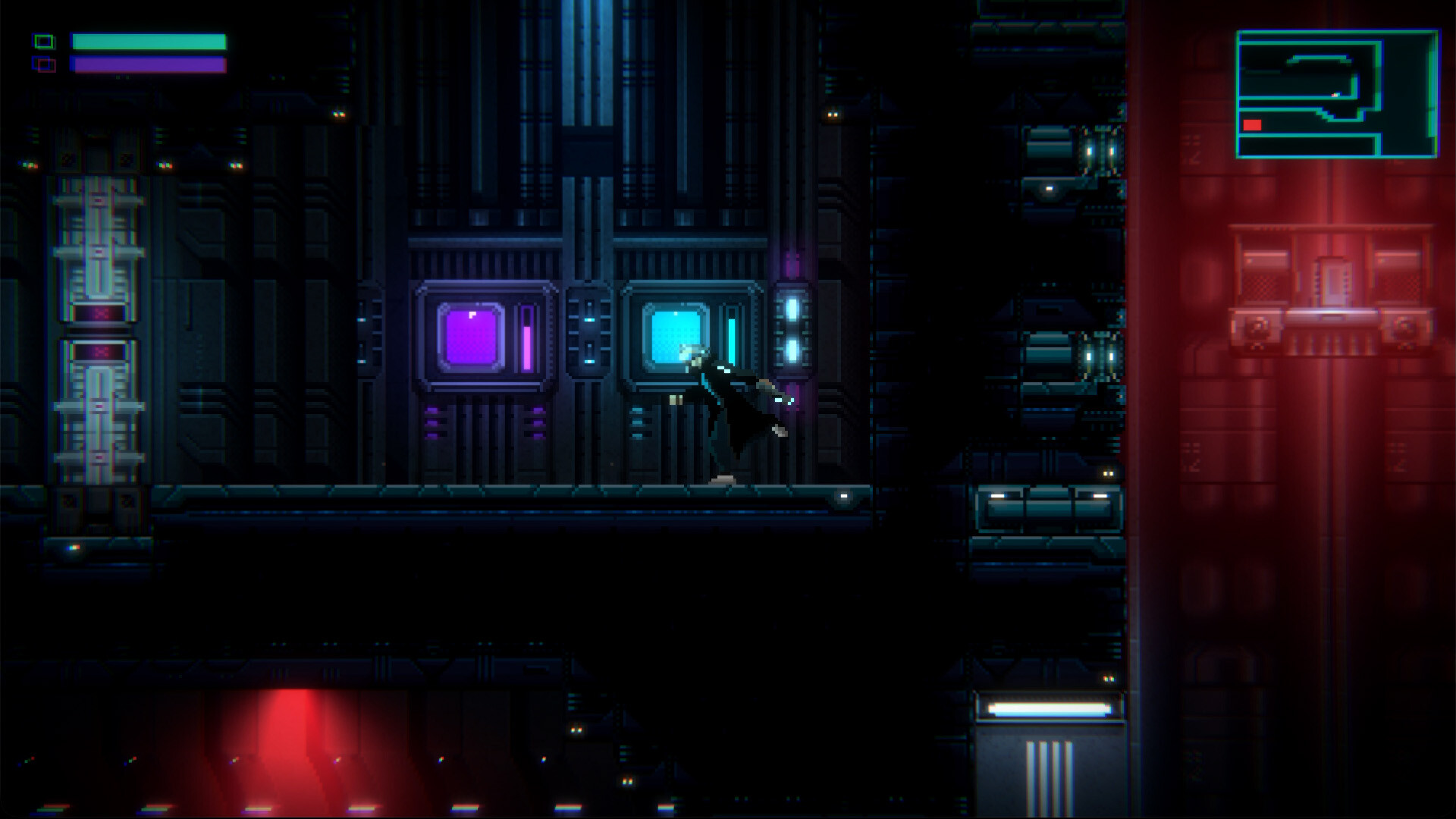
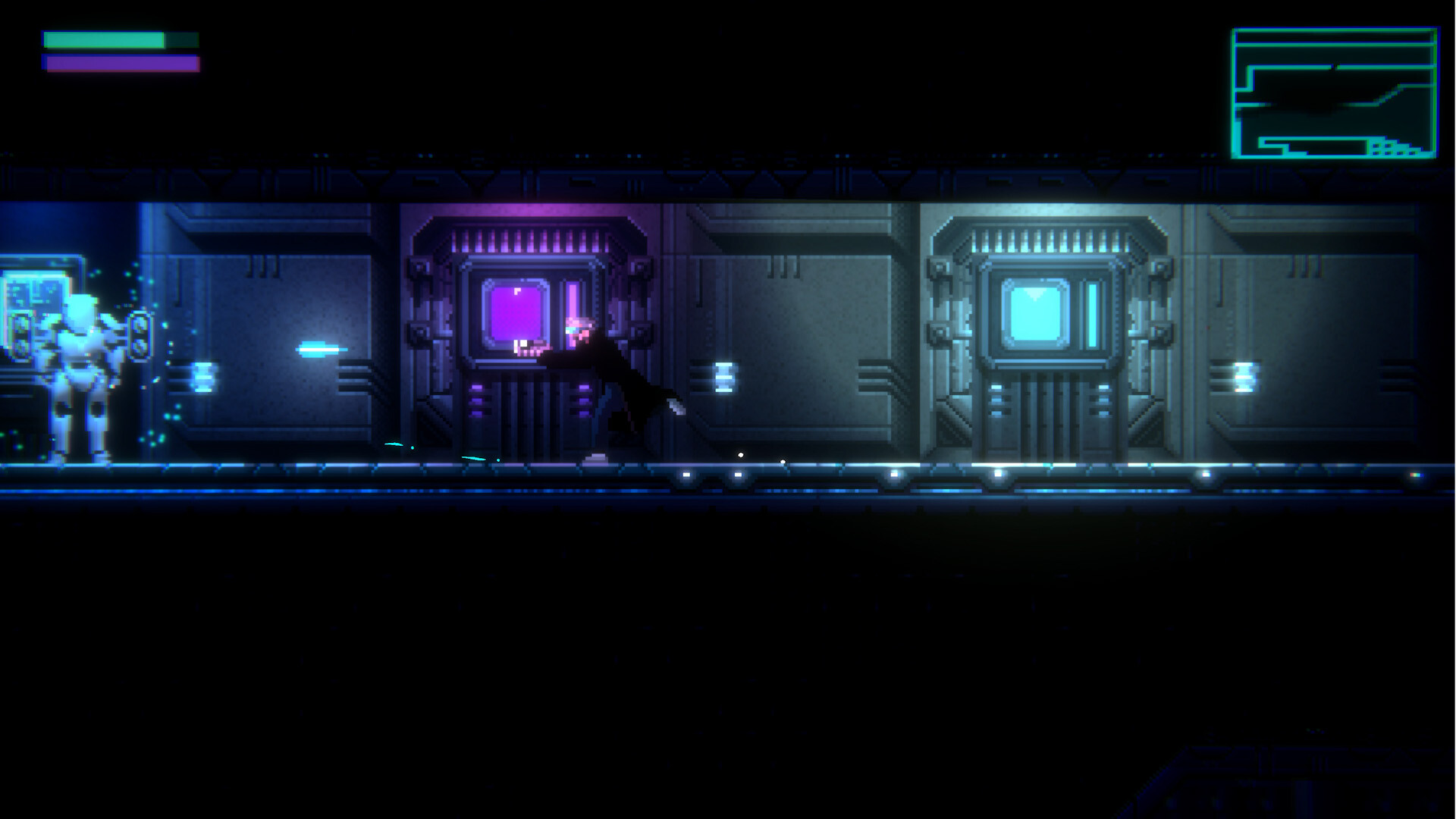
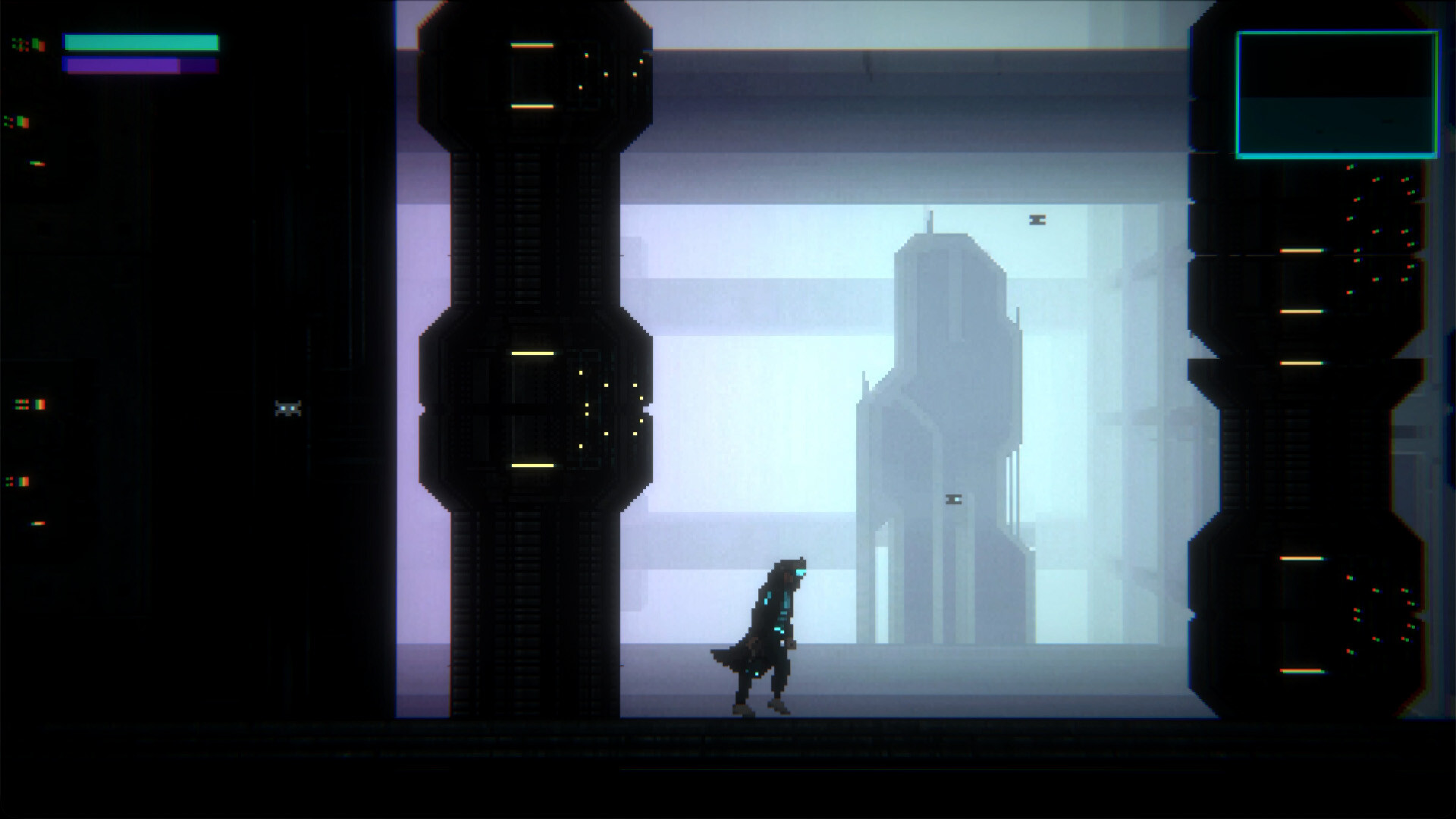
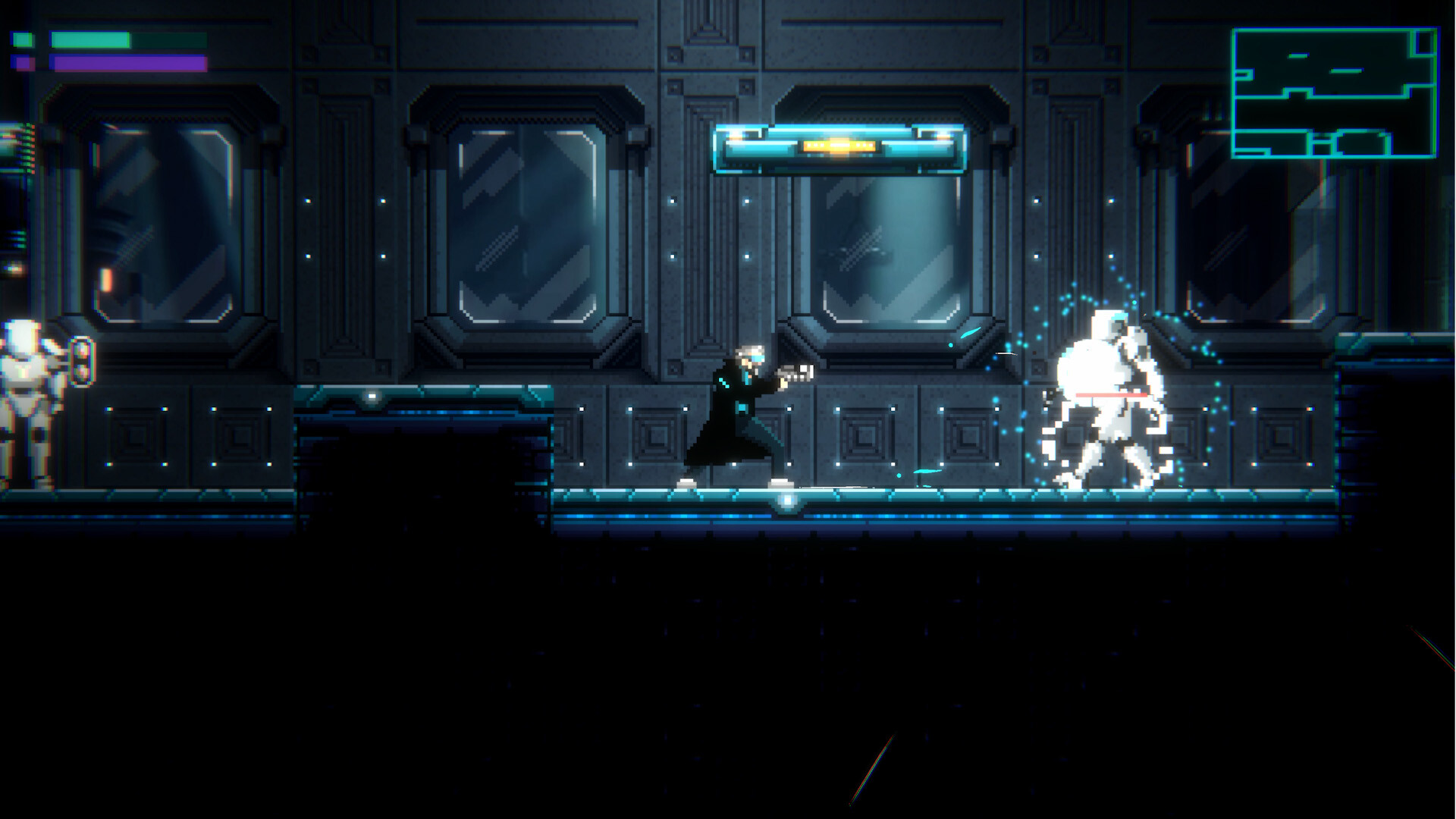
It's 2076. After the collapse, humanity rebuilt itself into a single city — Nova Europa — and at its heart raised The Spire: a two-kilometer-tall monument owned by Soteria Global, the corporation that helped bring the world back from the edge. Inside, everything is calm, ordered, taken care of. It should reassure you. It doesn't.

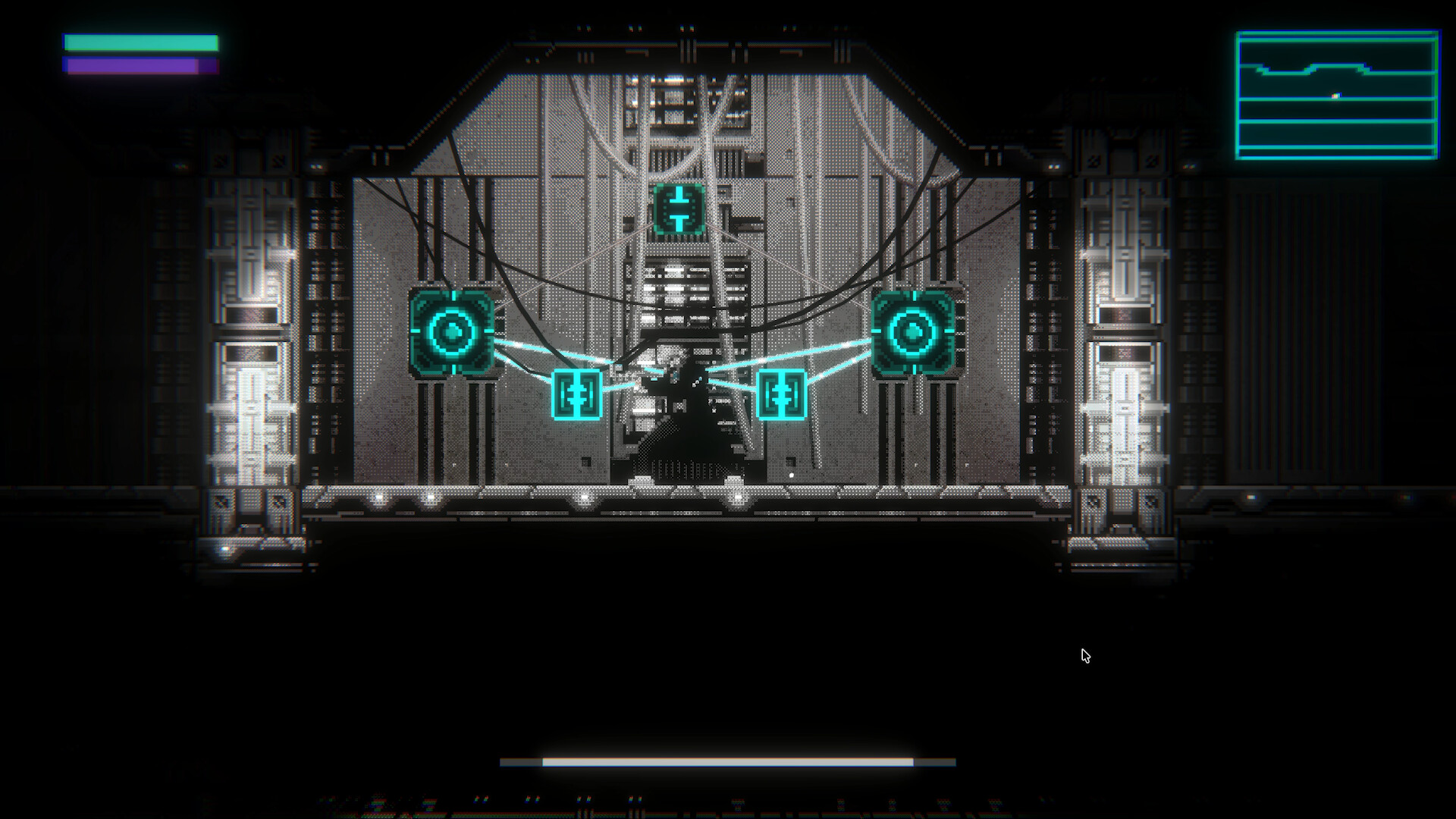
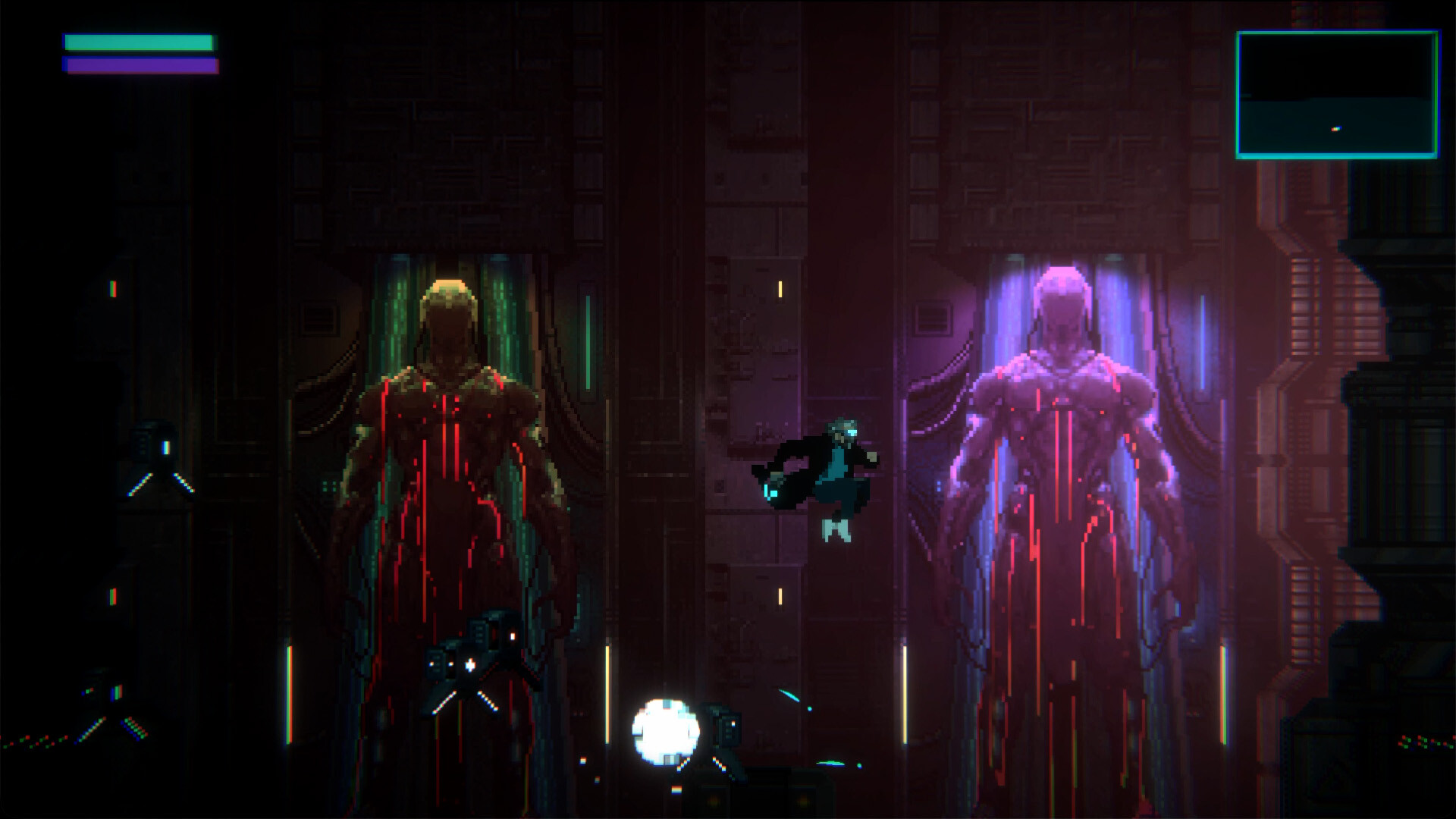
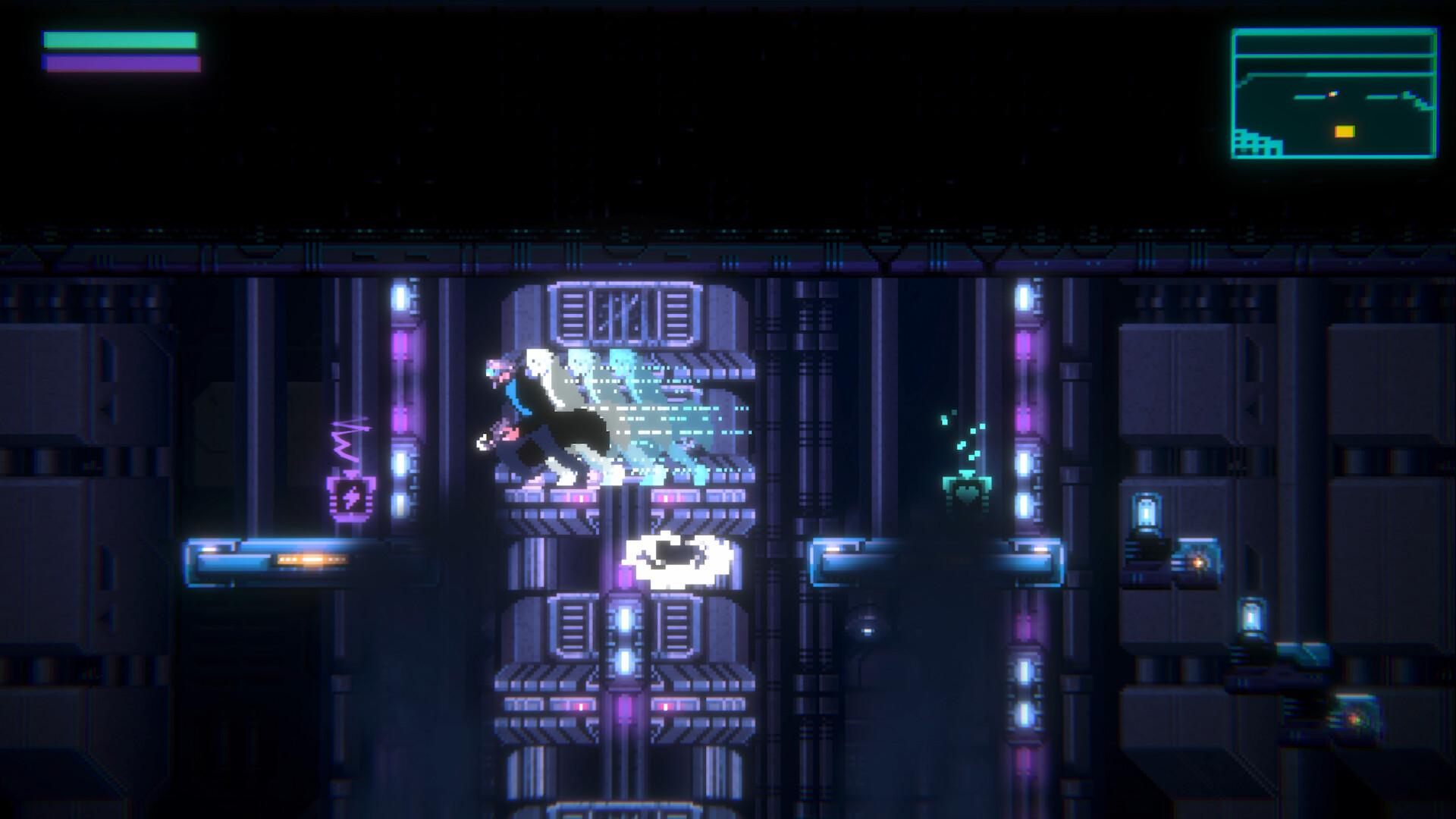
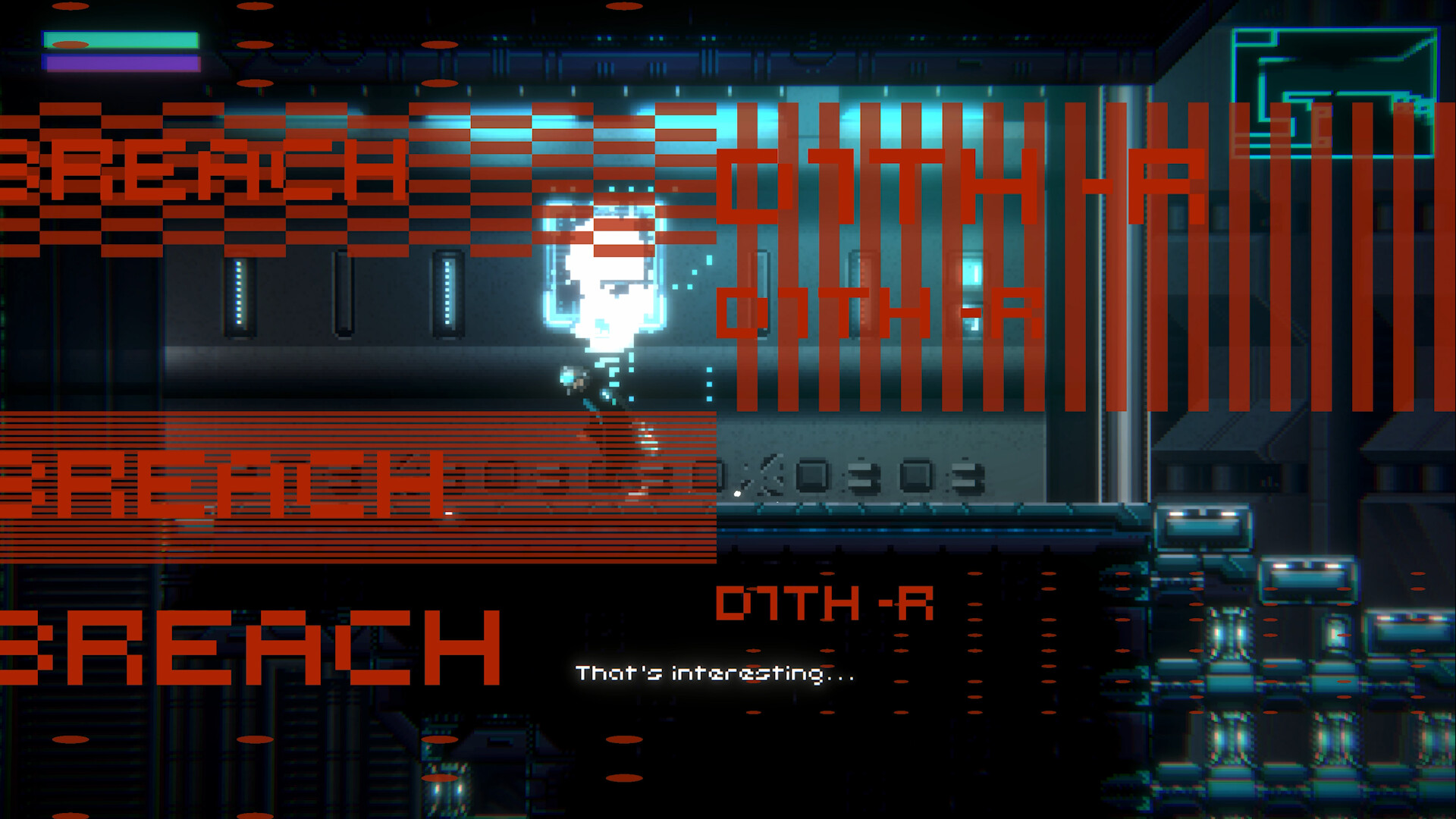
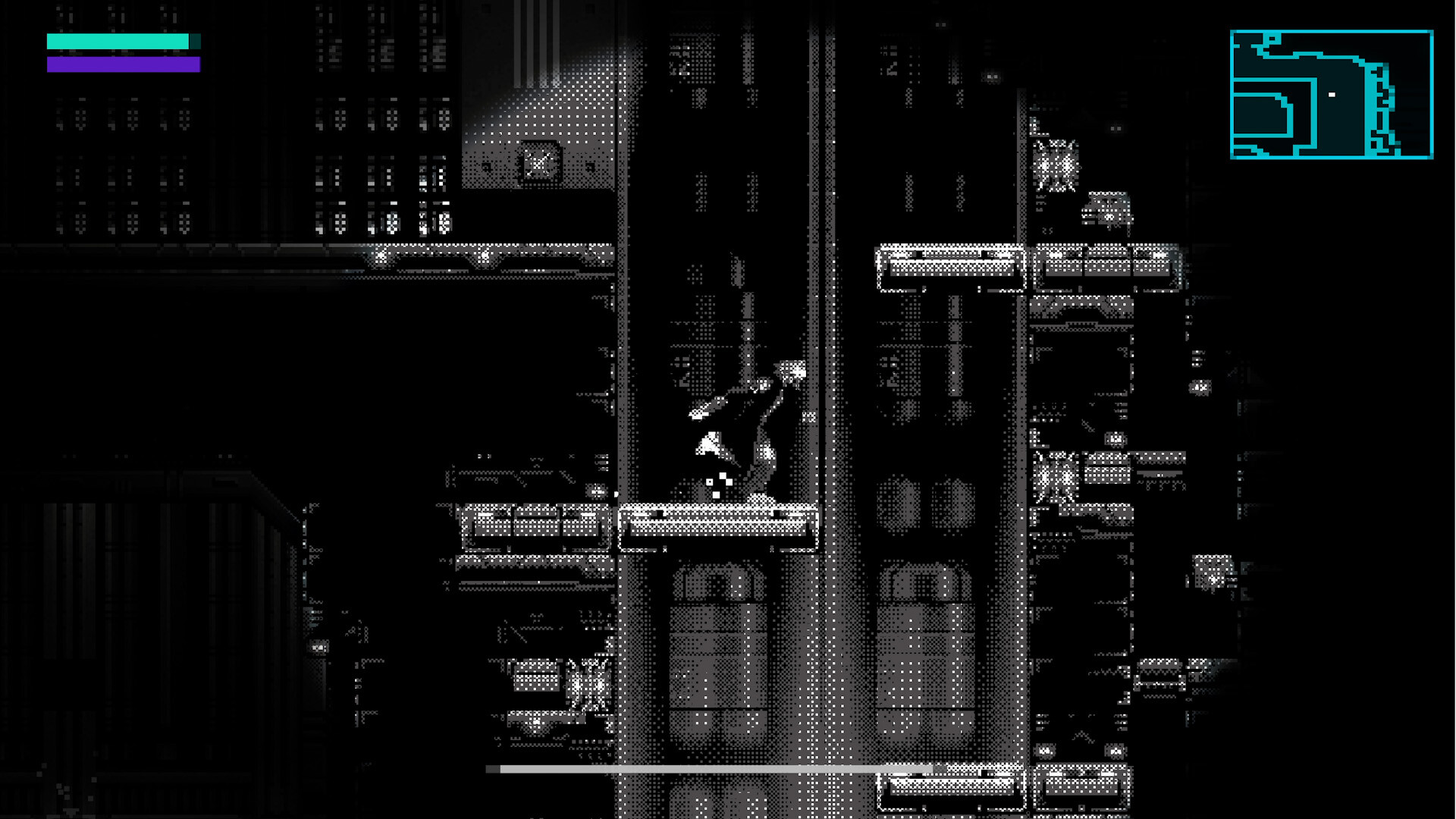
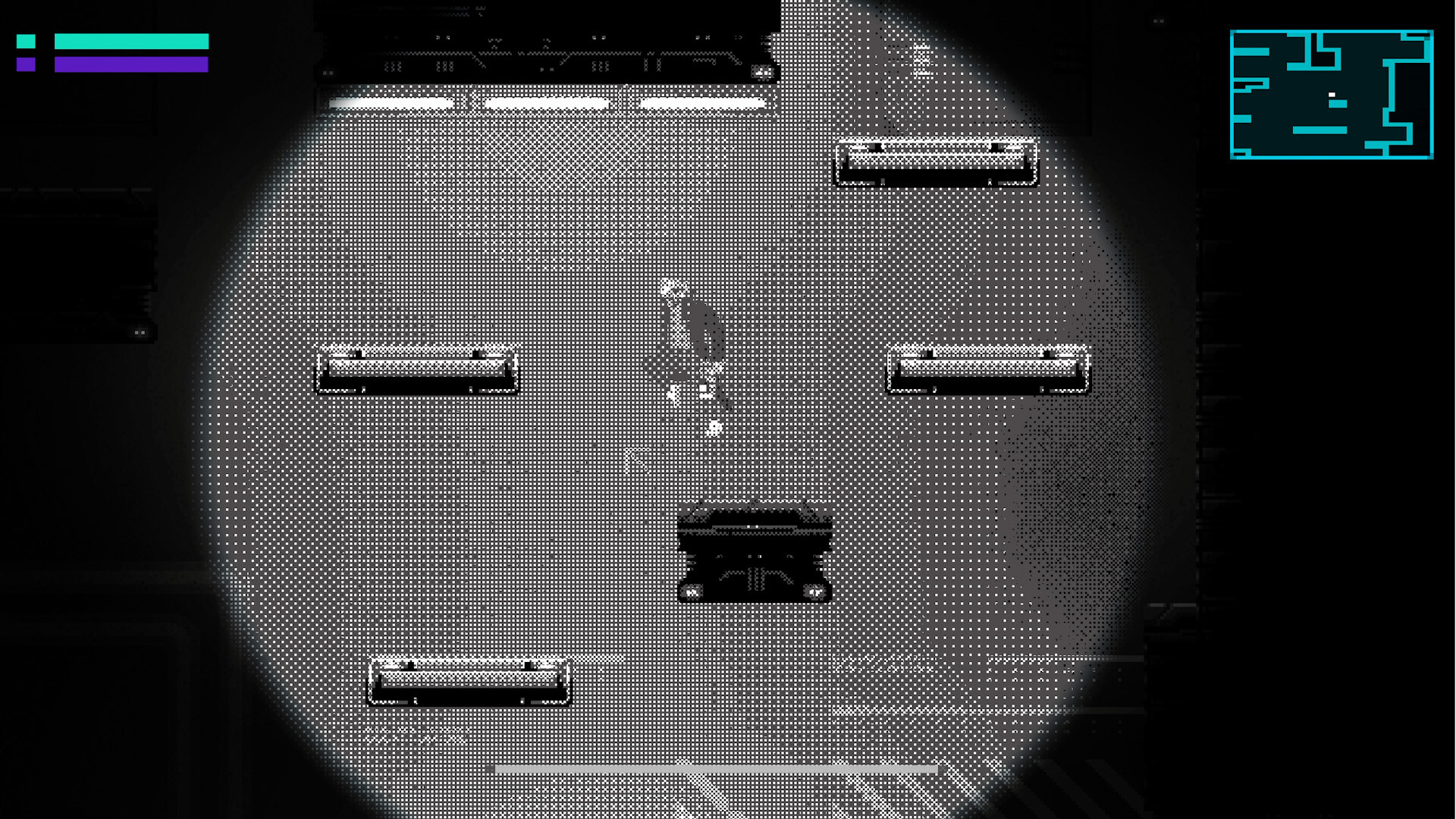
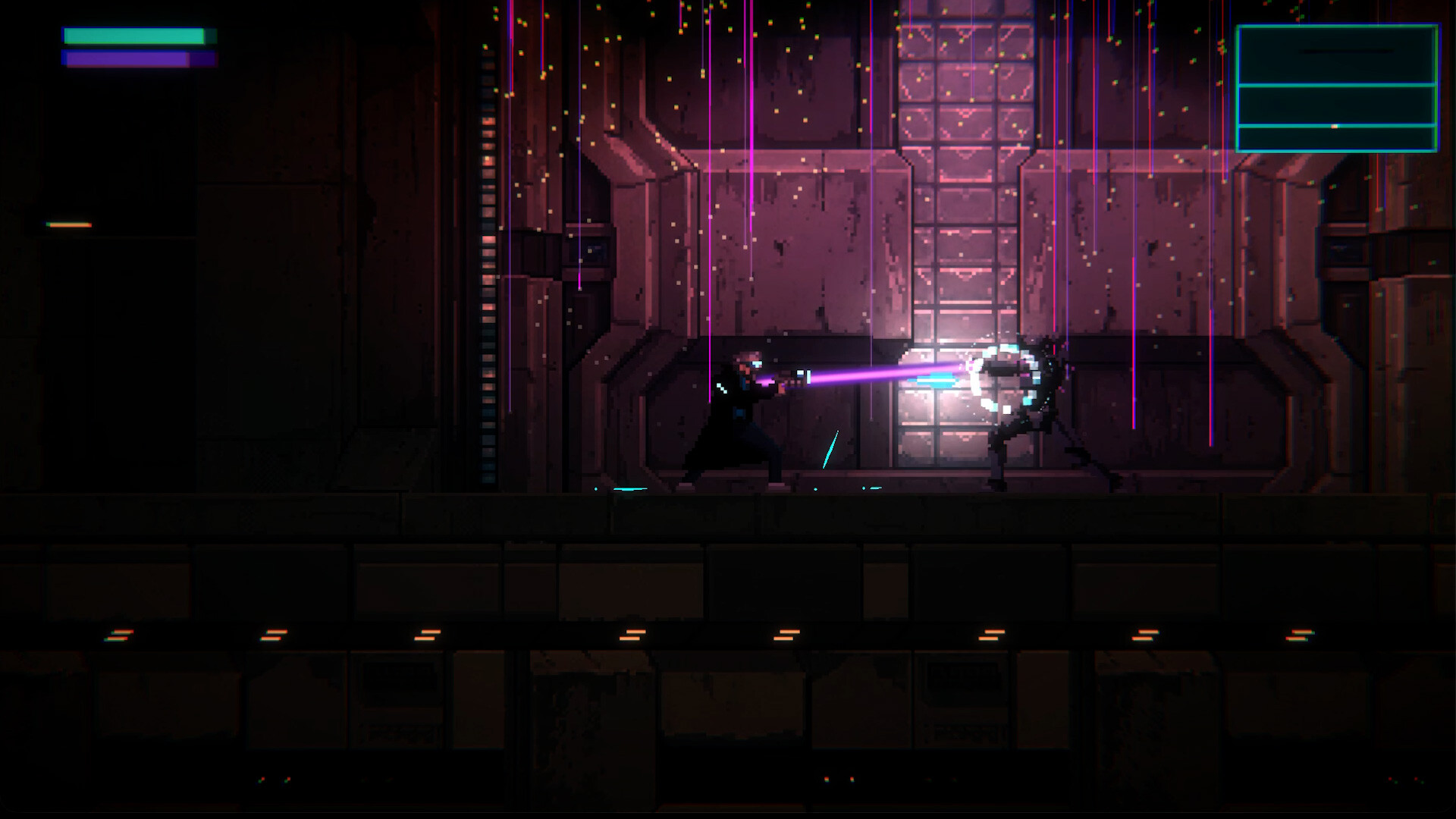
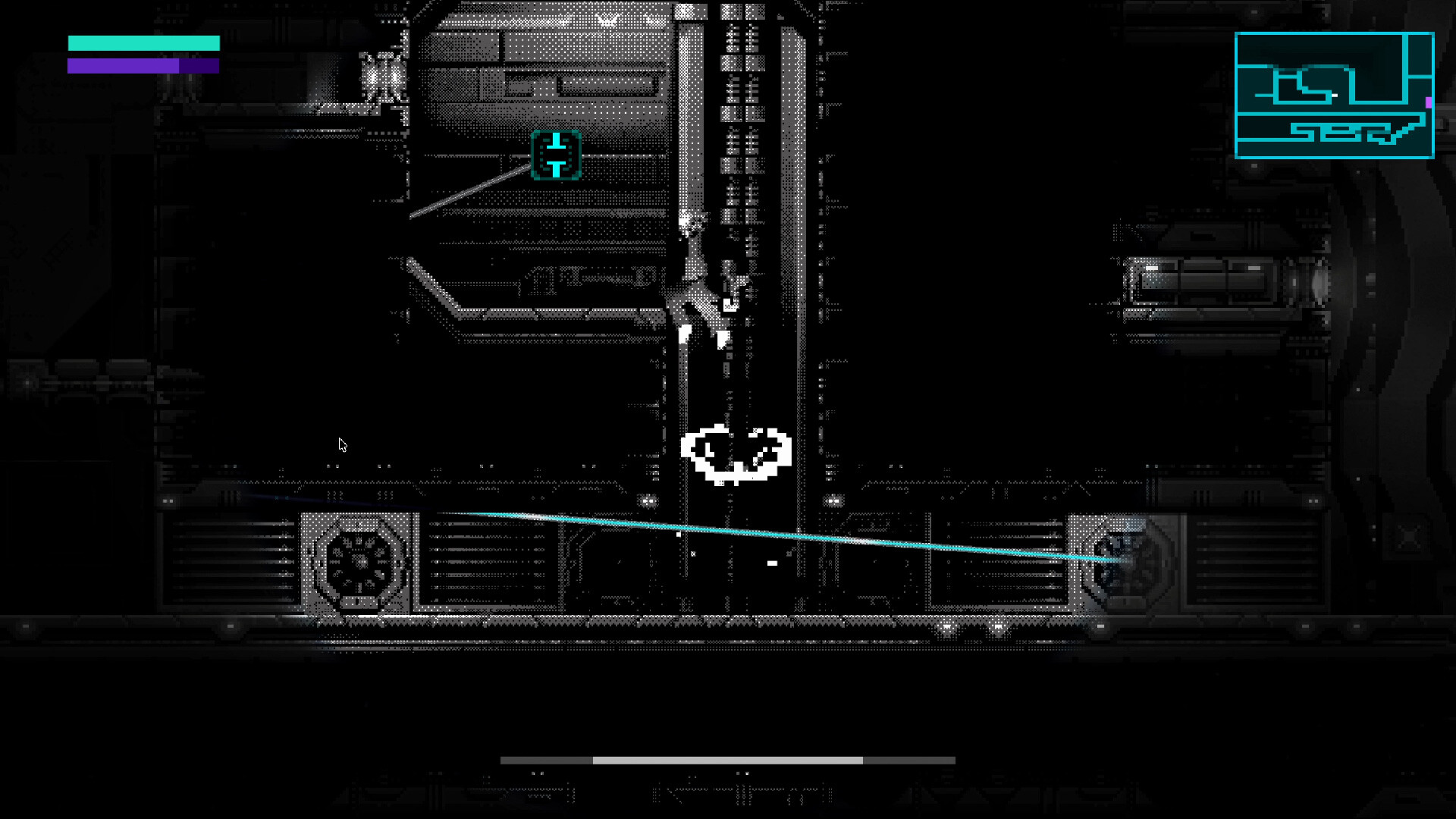
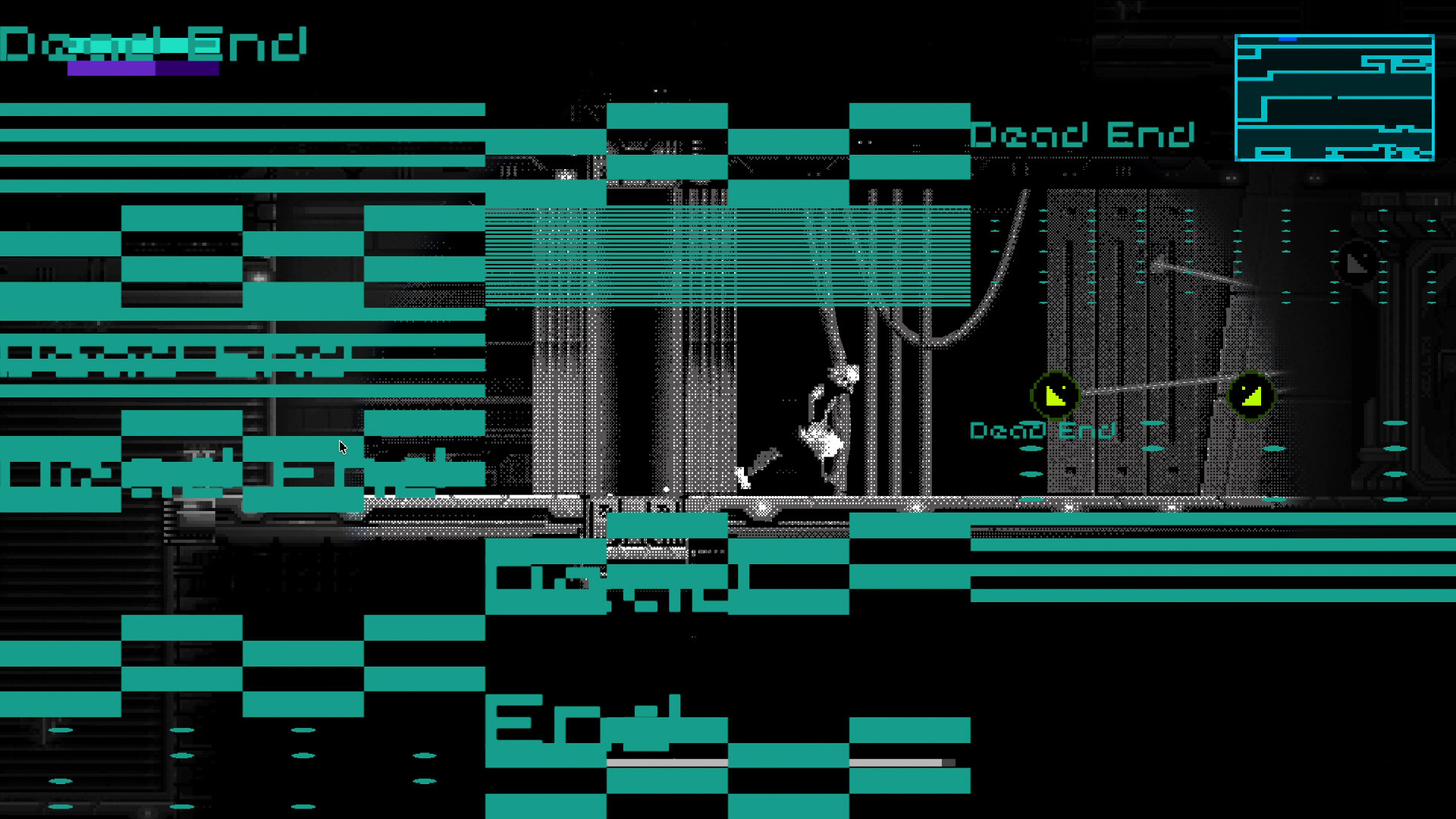
Reality in The Spire isn't fixed. Shift between two versions of the same world — the smooth surface everyone is meant to see, and the dithered layer beneath it. Passages, paths, and secrets solid in one are gone in the other. Learning when and how to shift is the key to moving through The Spire — and to seeing what it doesn't want you to.

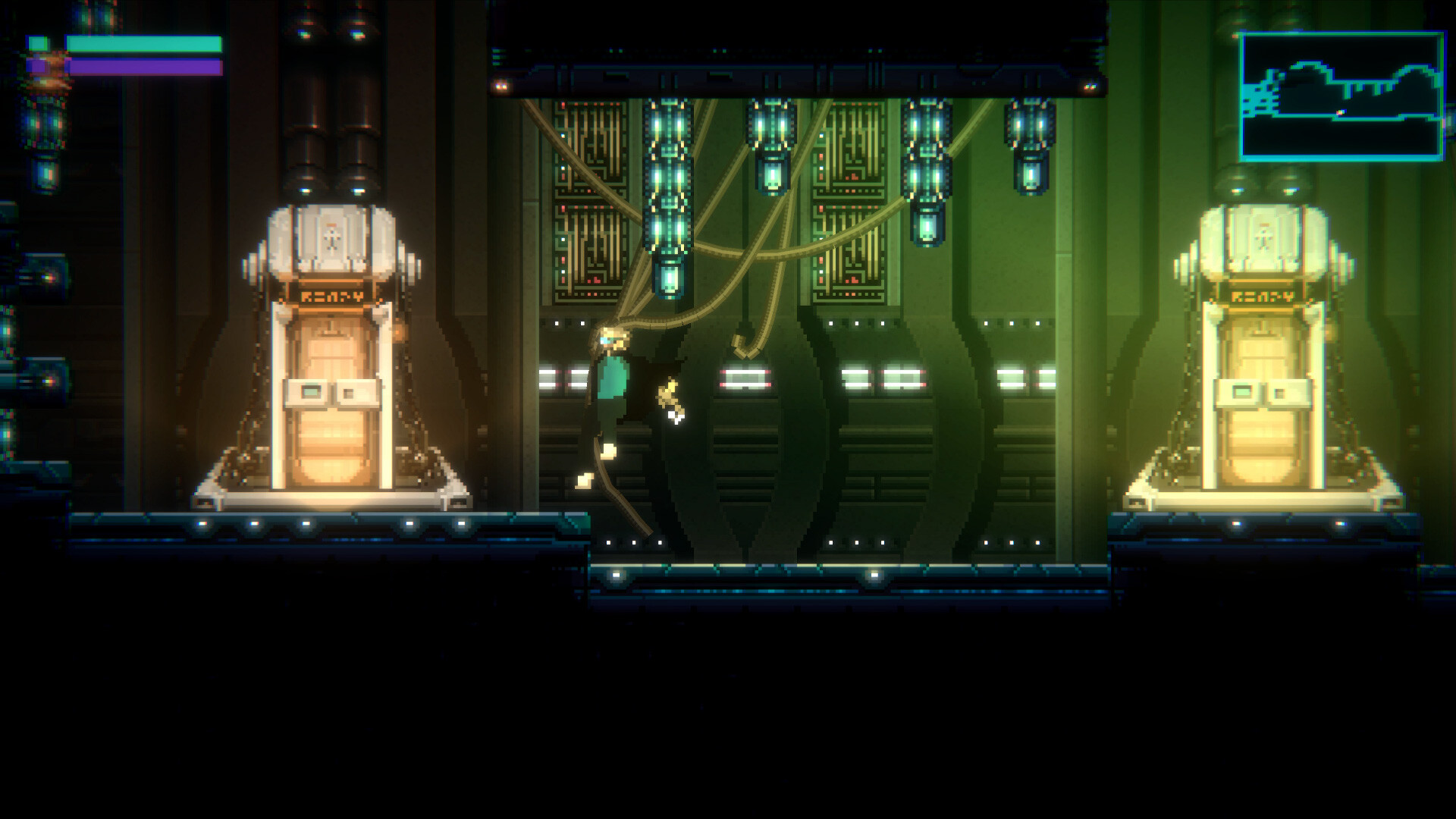
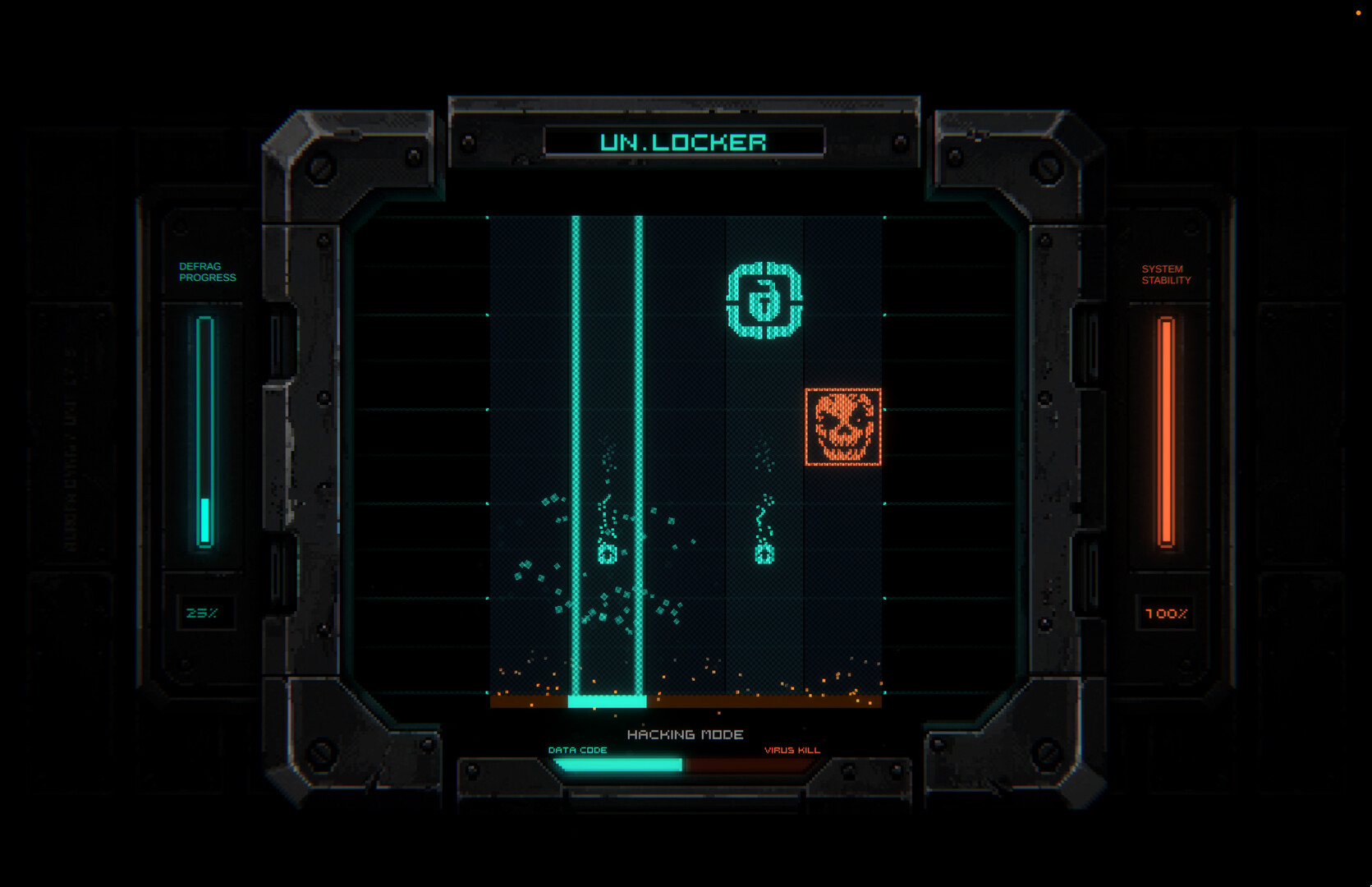
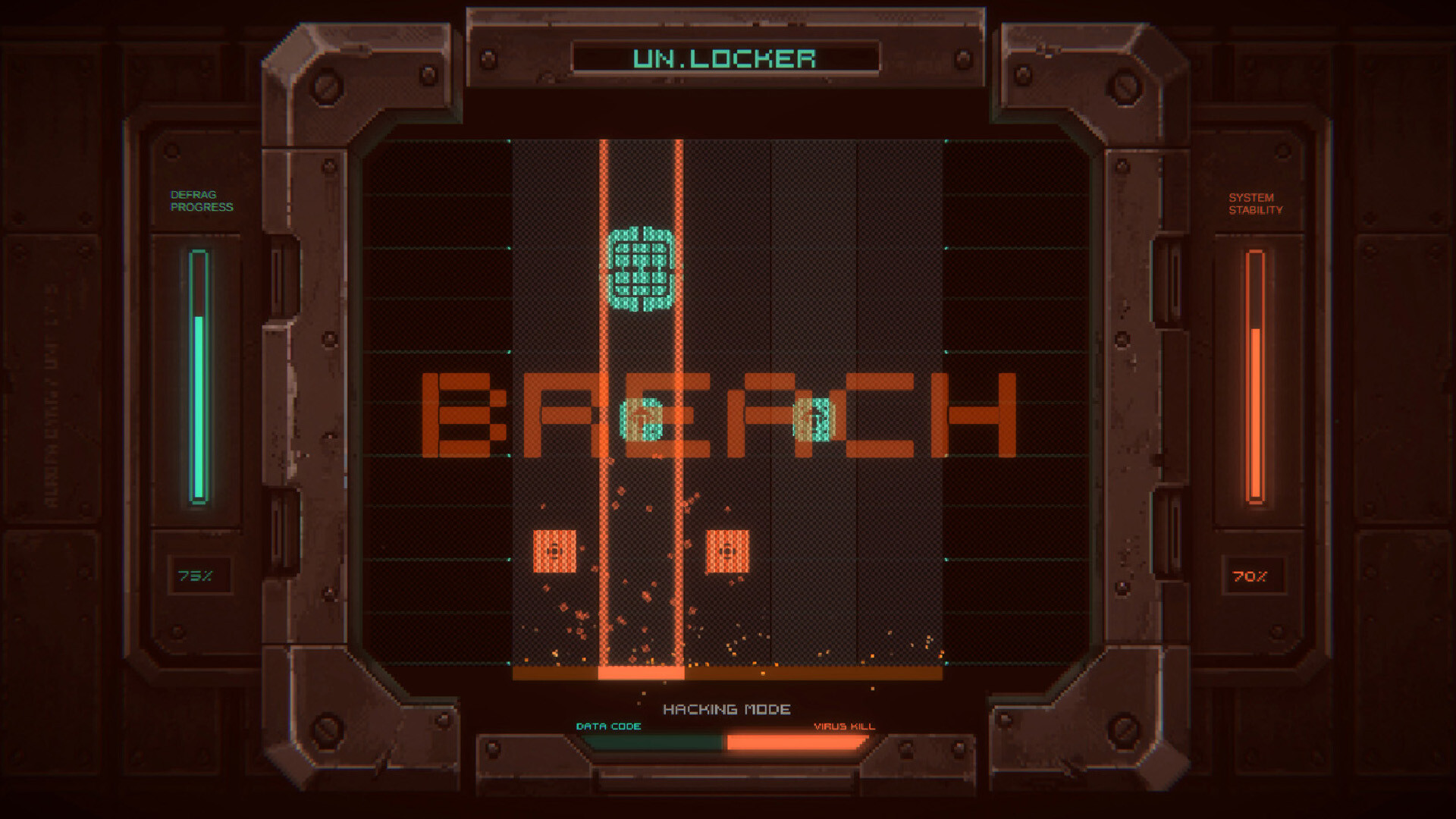
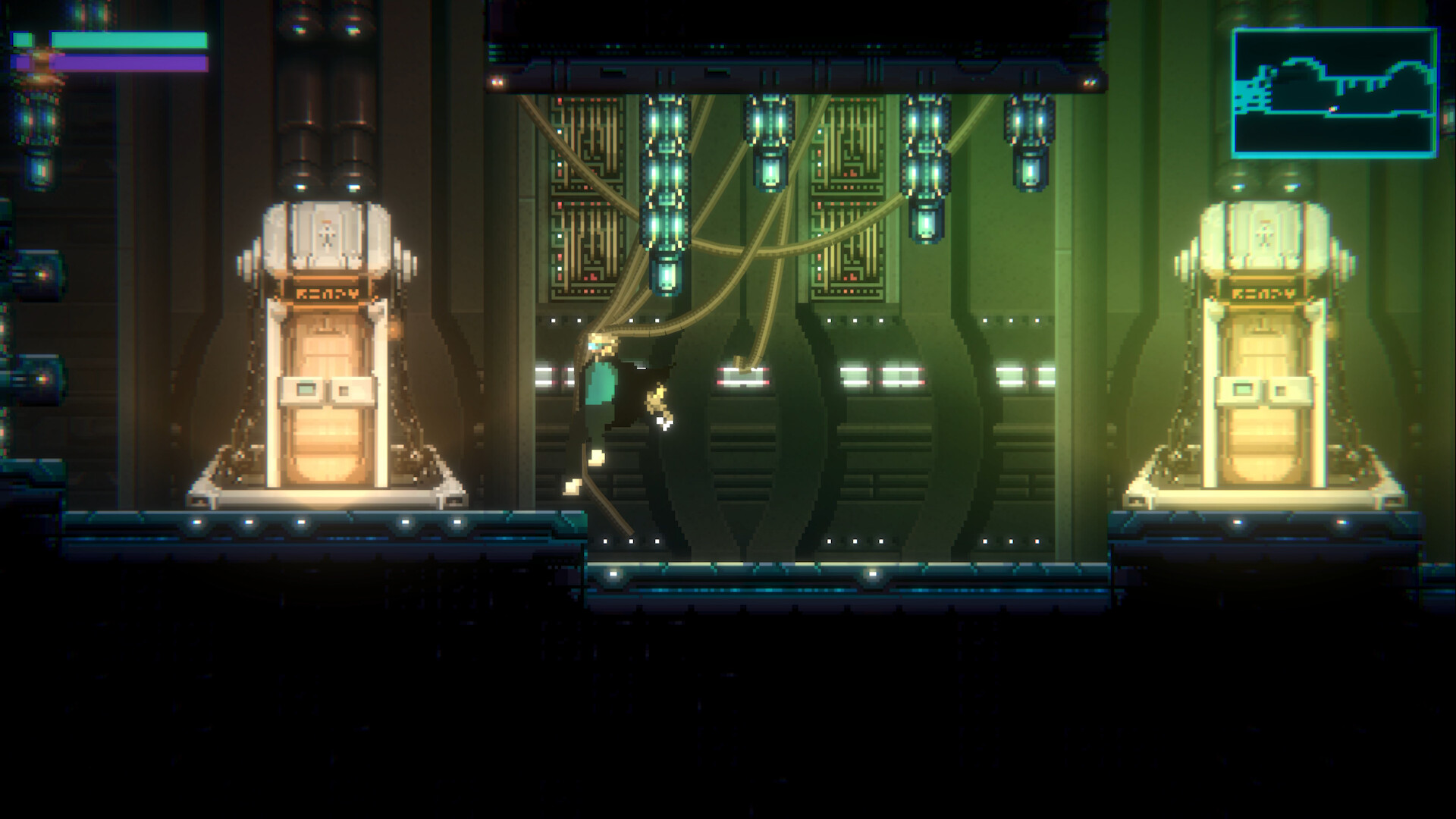
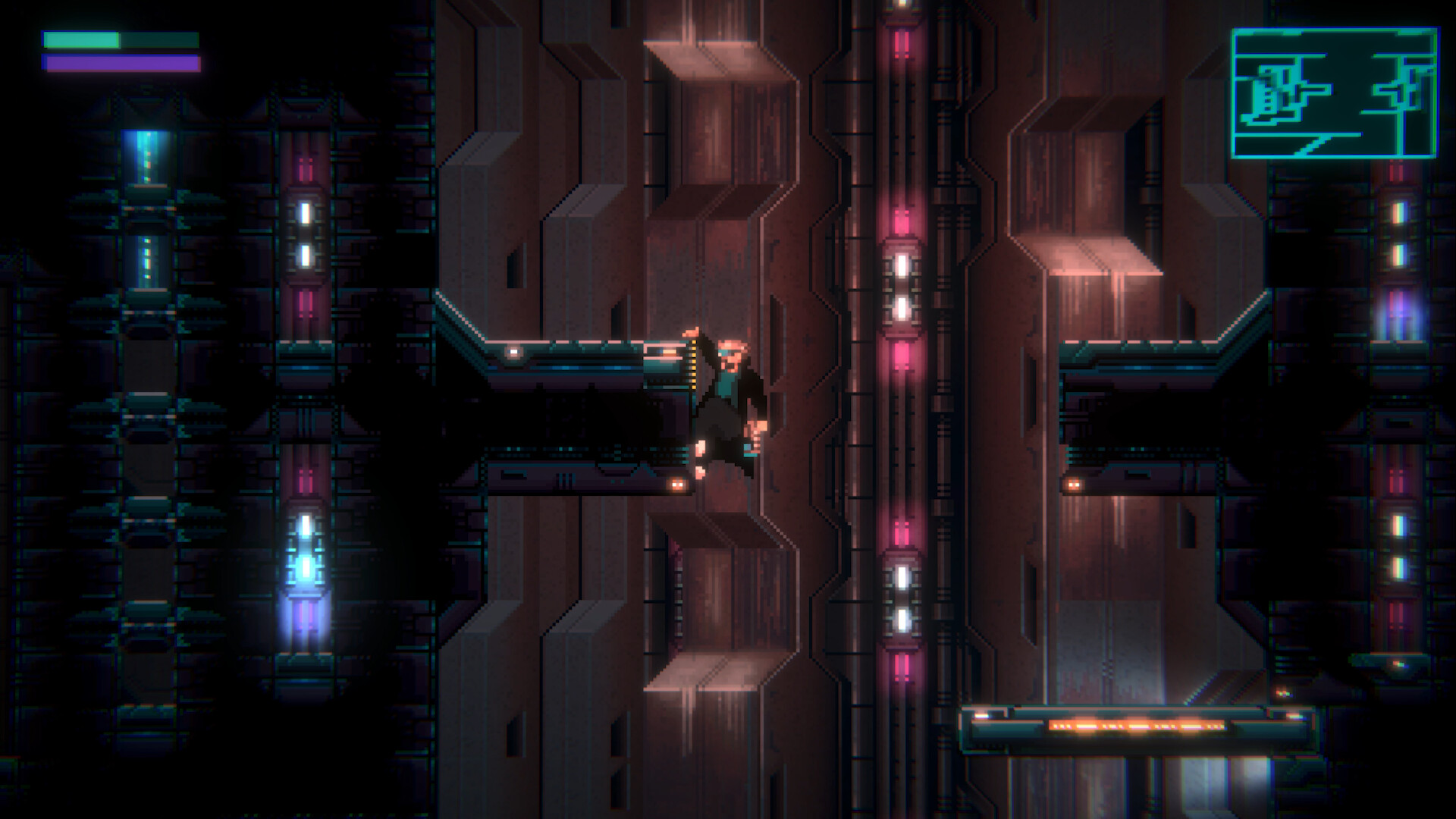
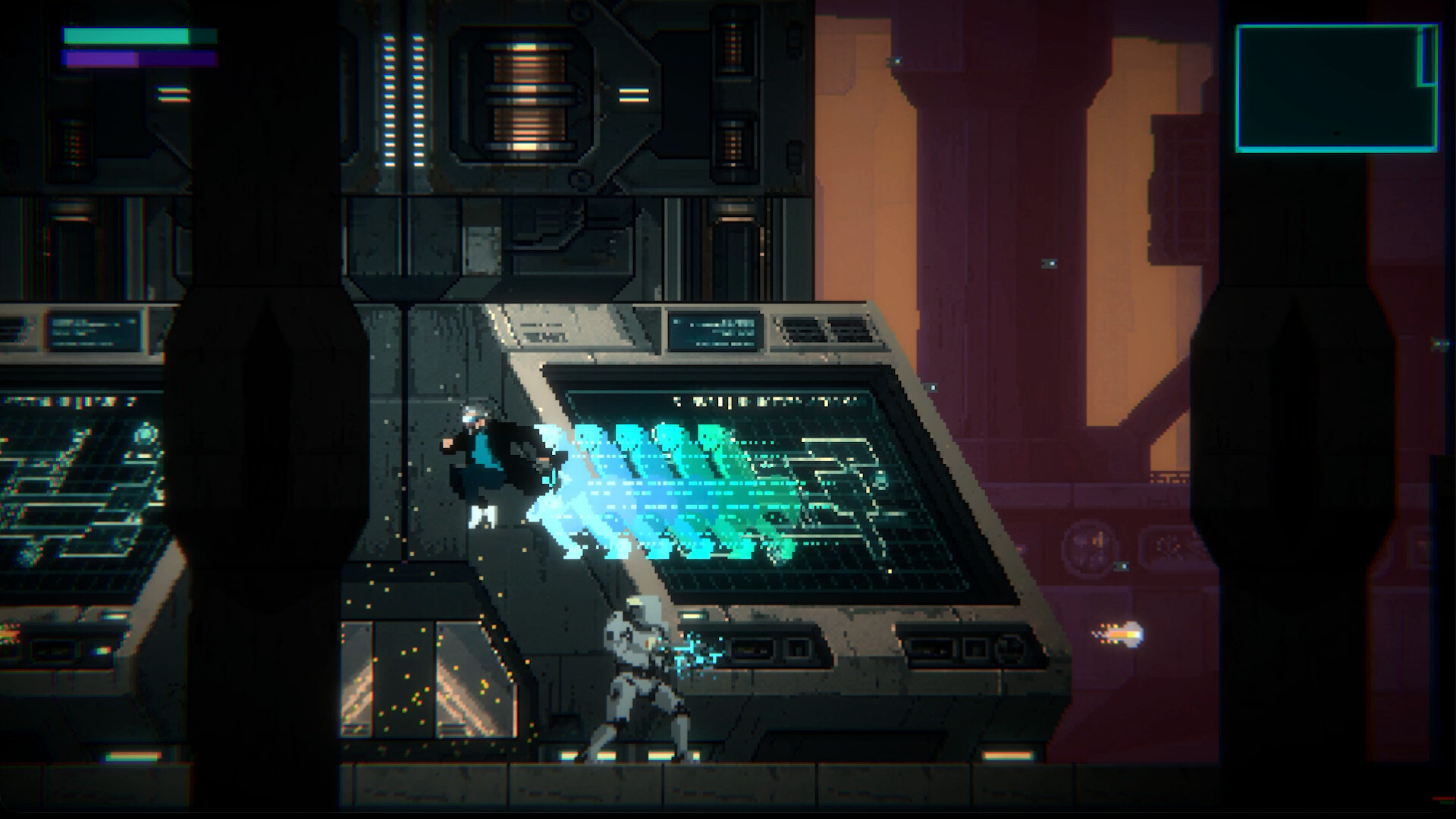
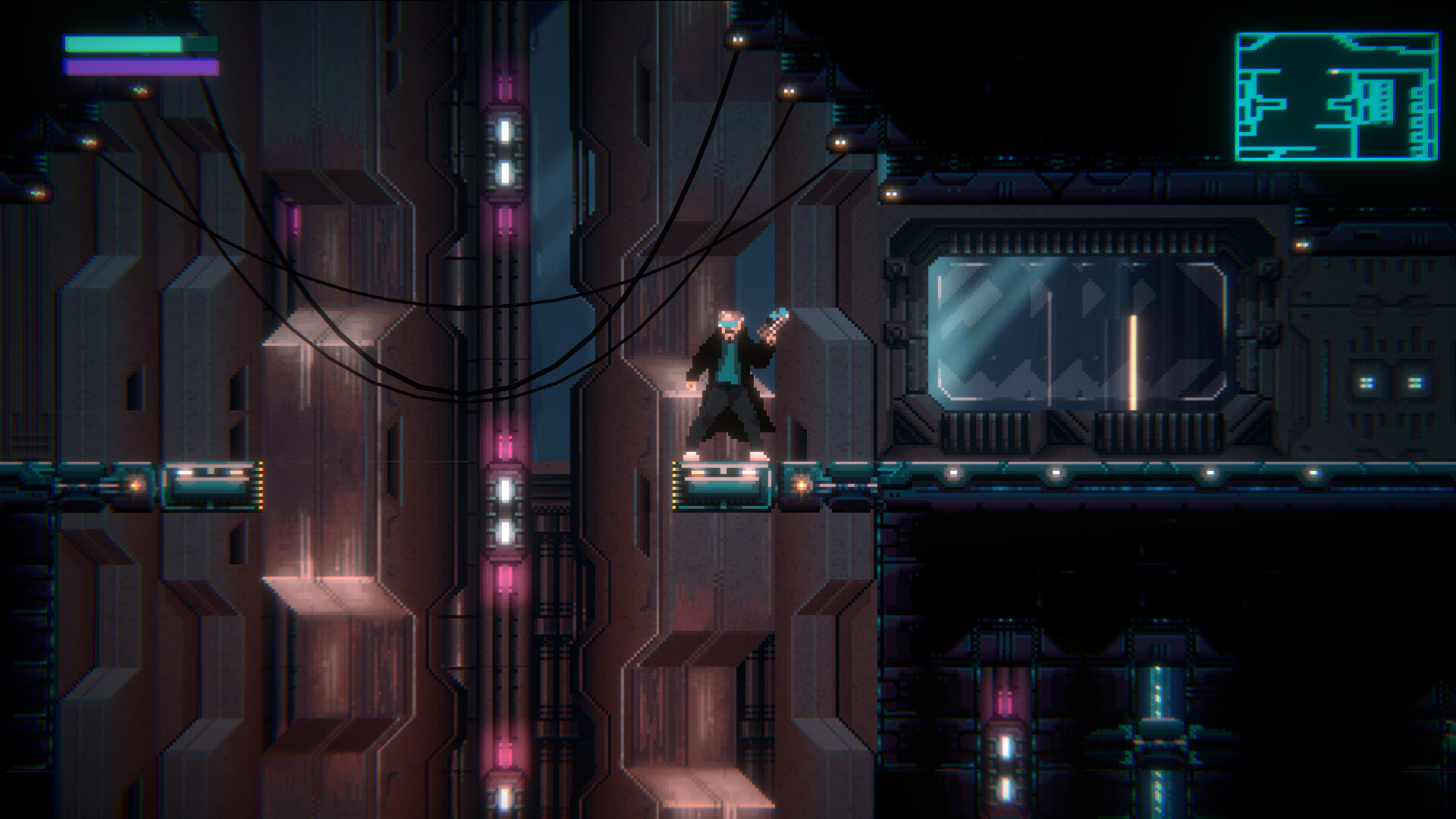
A 2D metroidvania in hand-crafted pixel art where combat is just one element of the world, not its axis. You venture into the sealed sectors of The Spire and places no one is allowed to enter, gather information, solve puzzles, and run your own investigation. Every lead brings you closer to who you are — and to the truth this place hides from everyone.

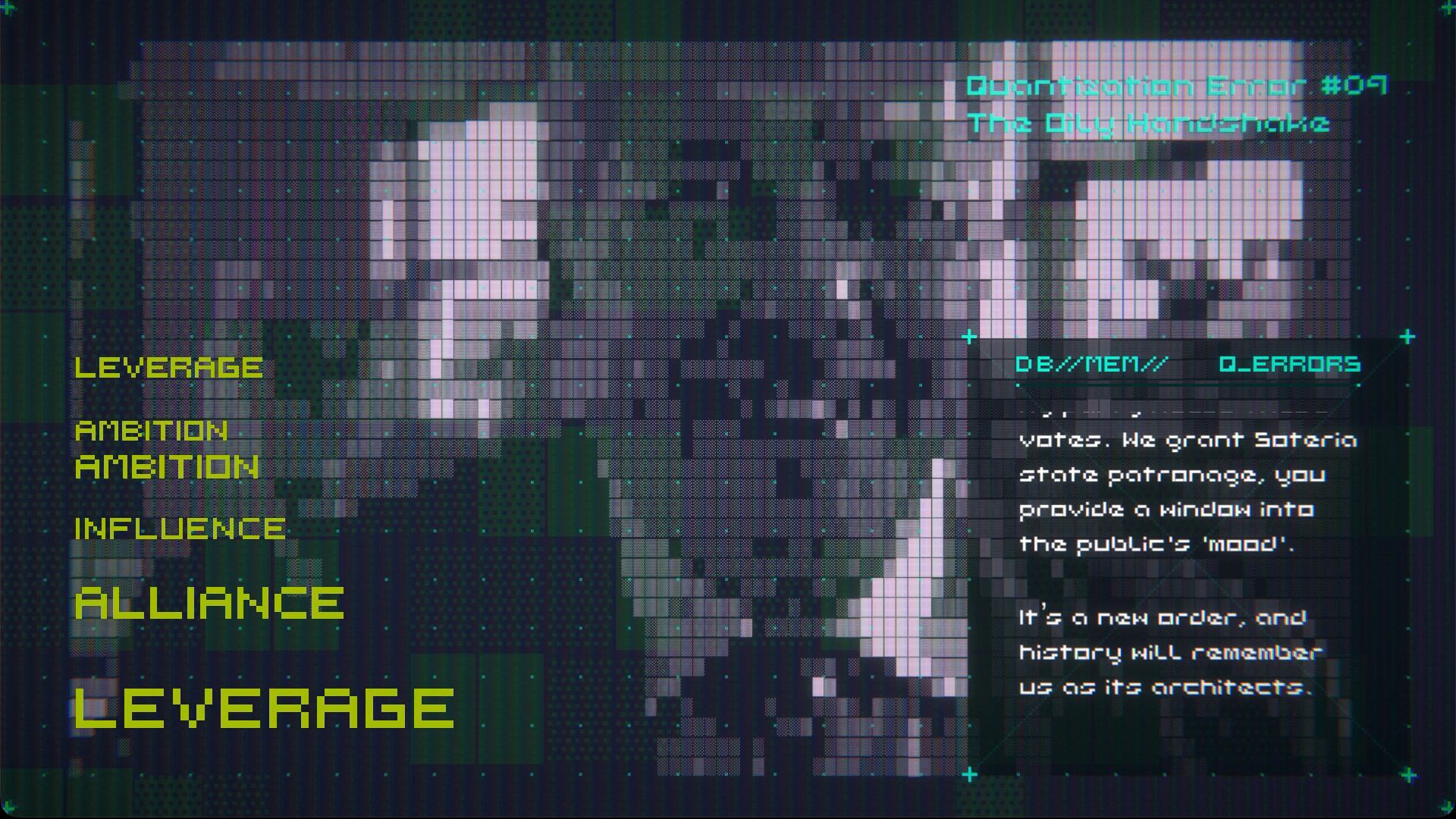
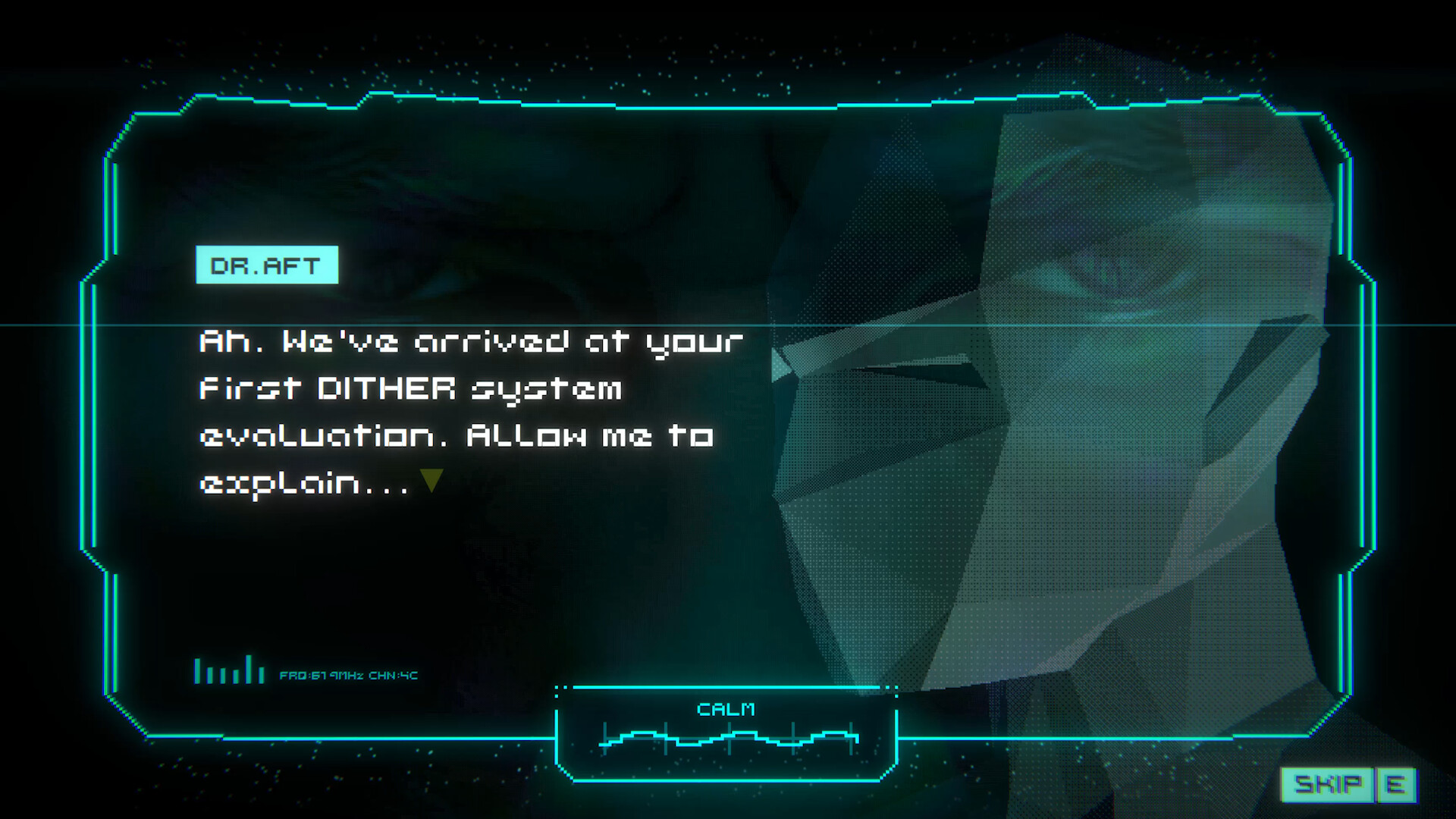
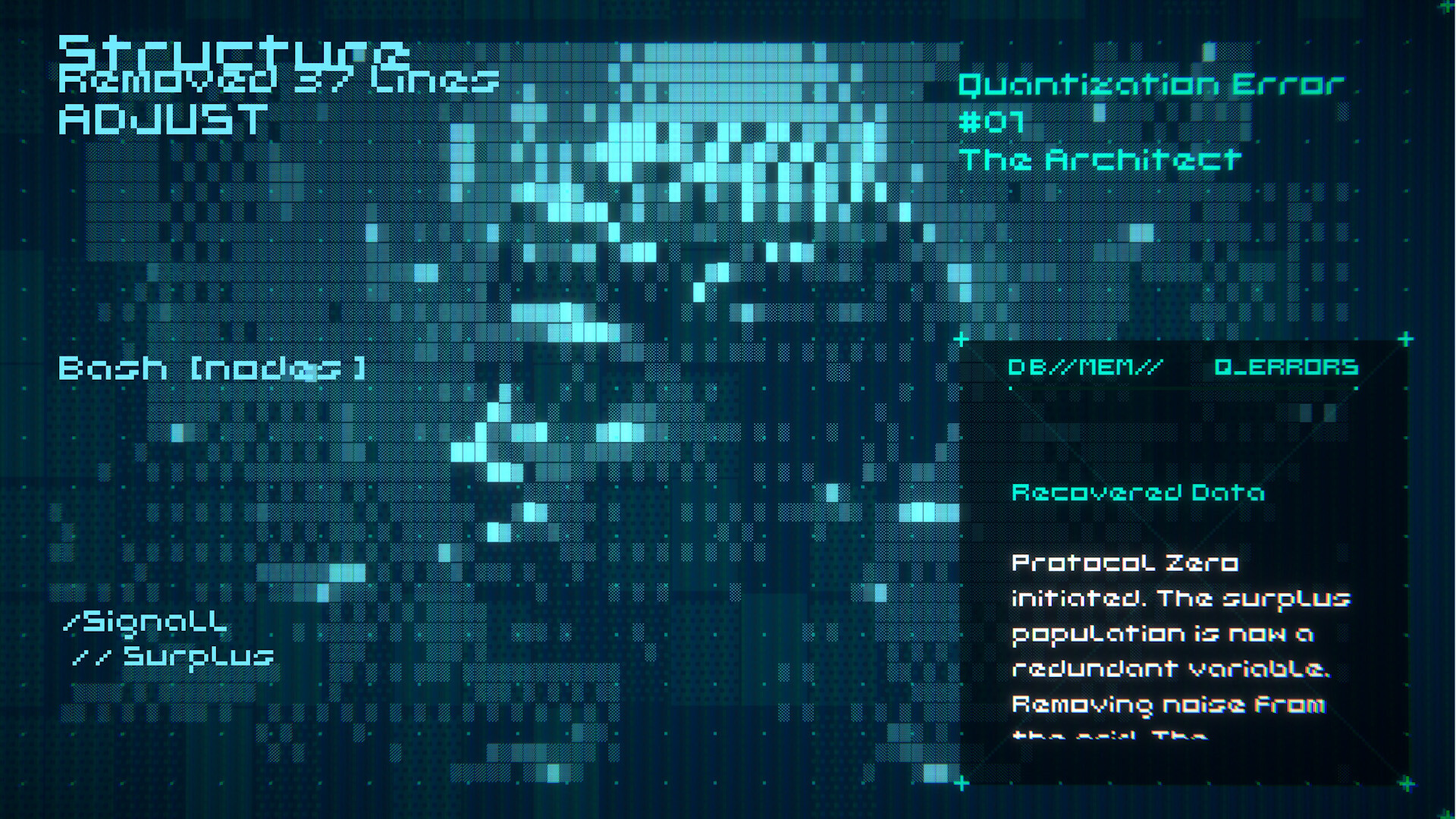
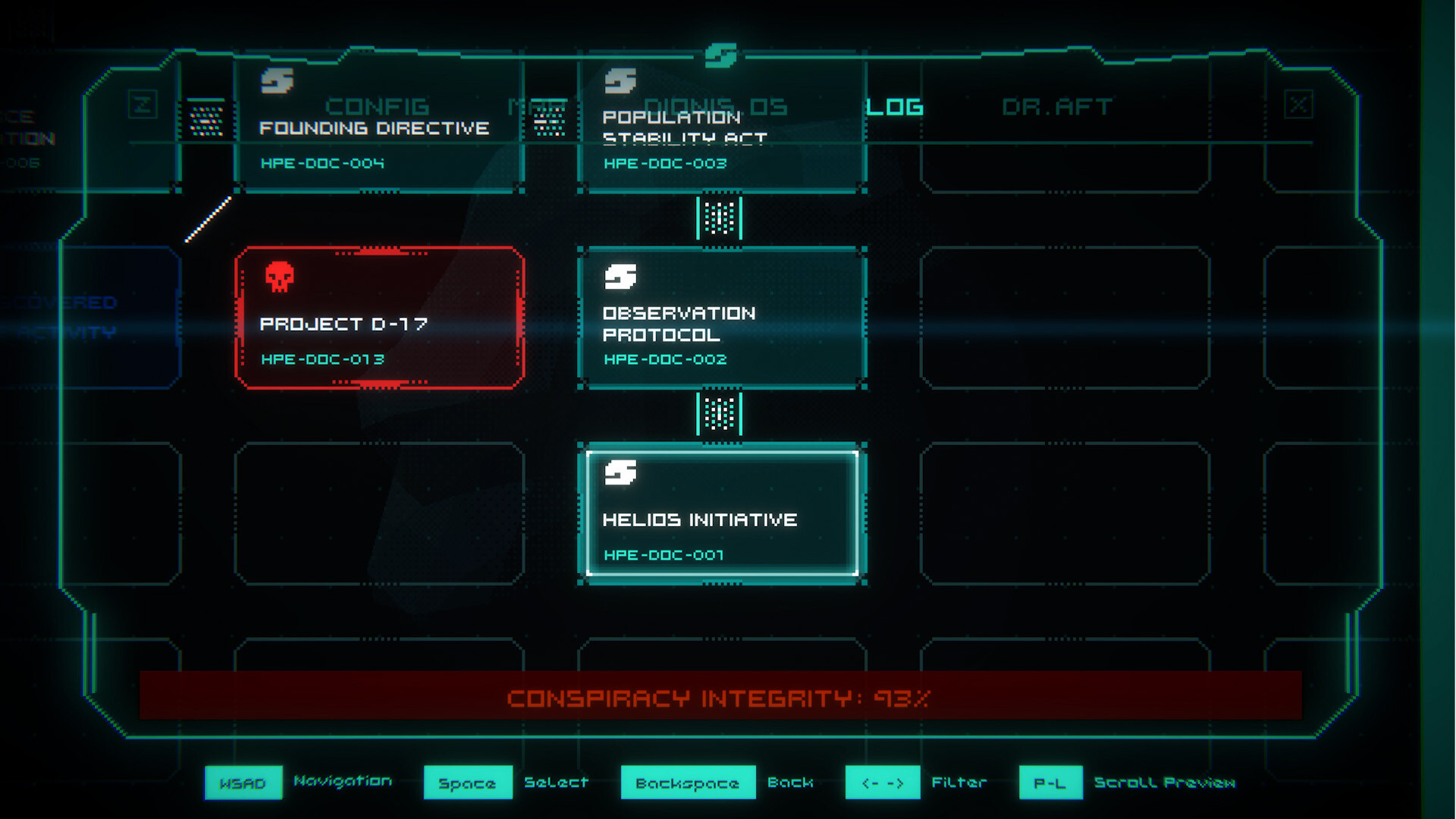
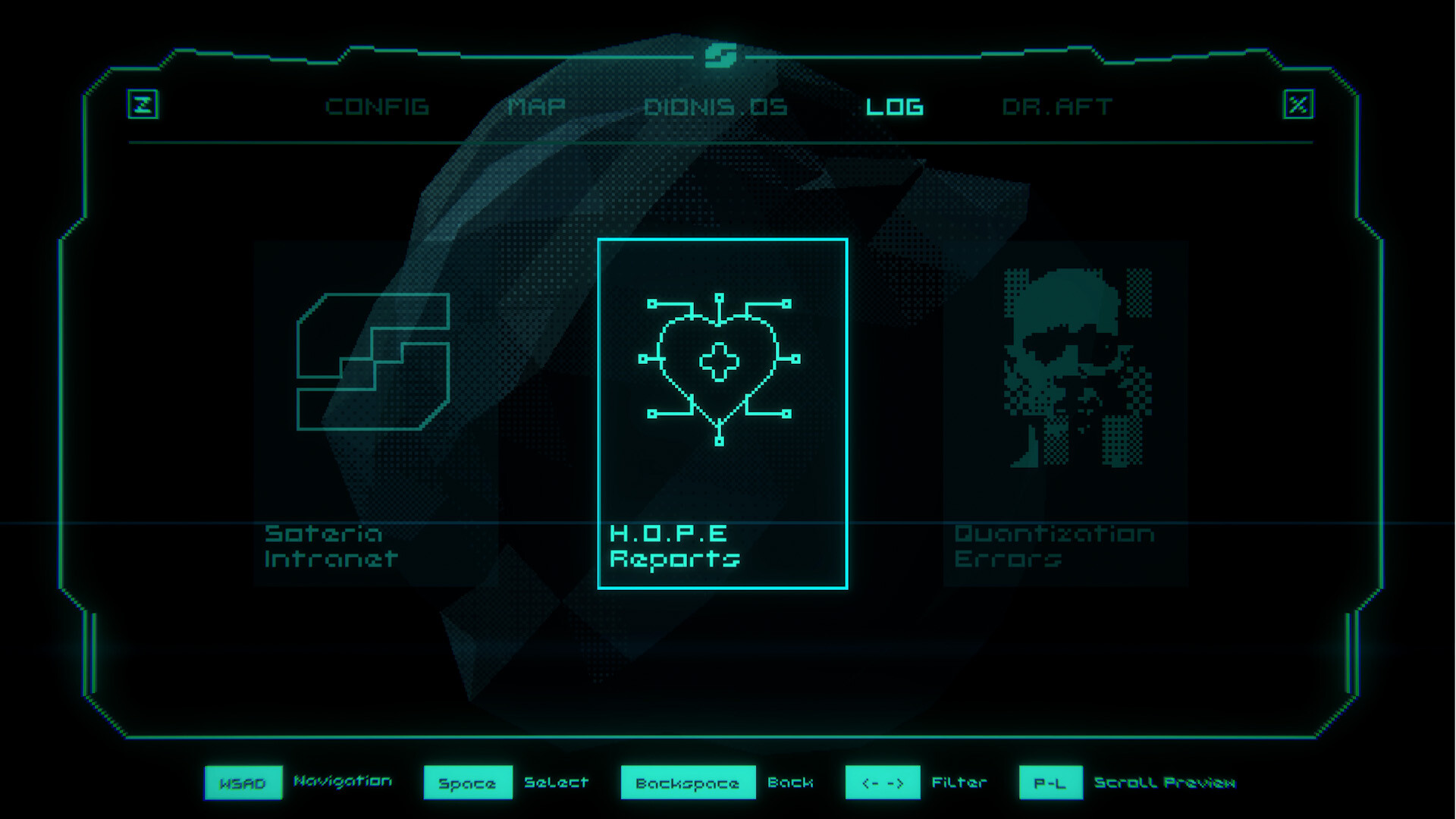
You woke with a hole where your identity used to be — not your skills, but who you were. Your past is somewhere in The Spire, broken into fragments, buried in a vast noise of data. Question the people who live here, read the traces, and assemble the truth from pieces others wouldn't even notice. The Spire took your identity. The Spire is also where you'll get it back.

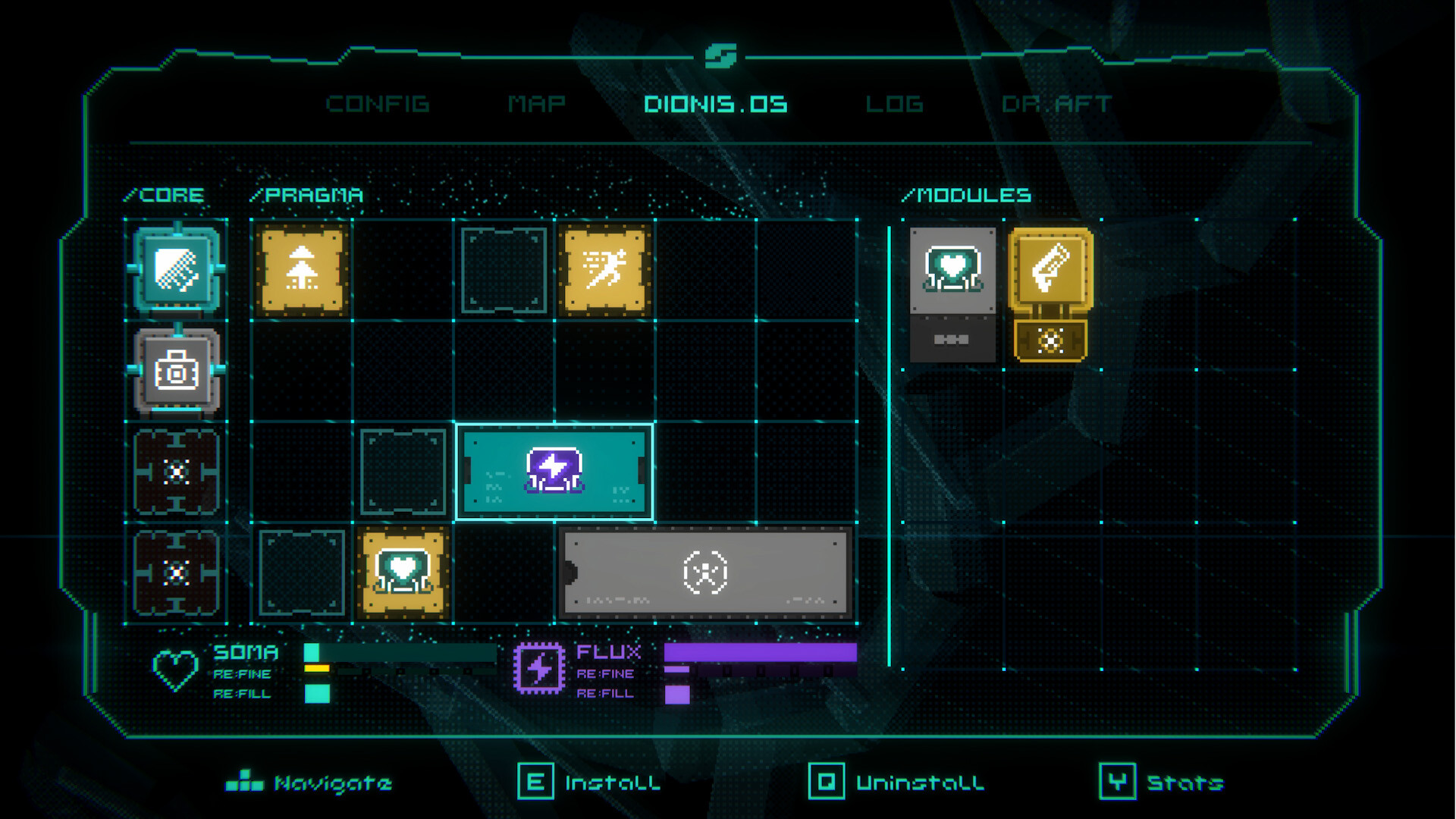
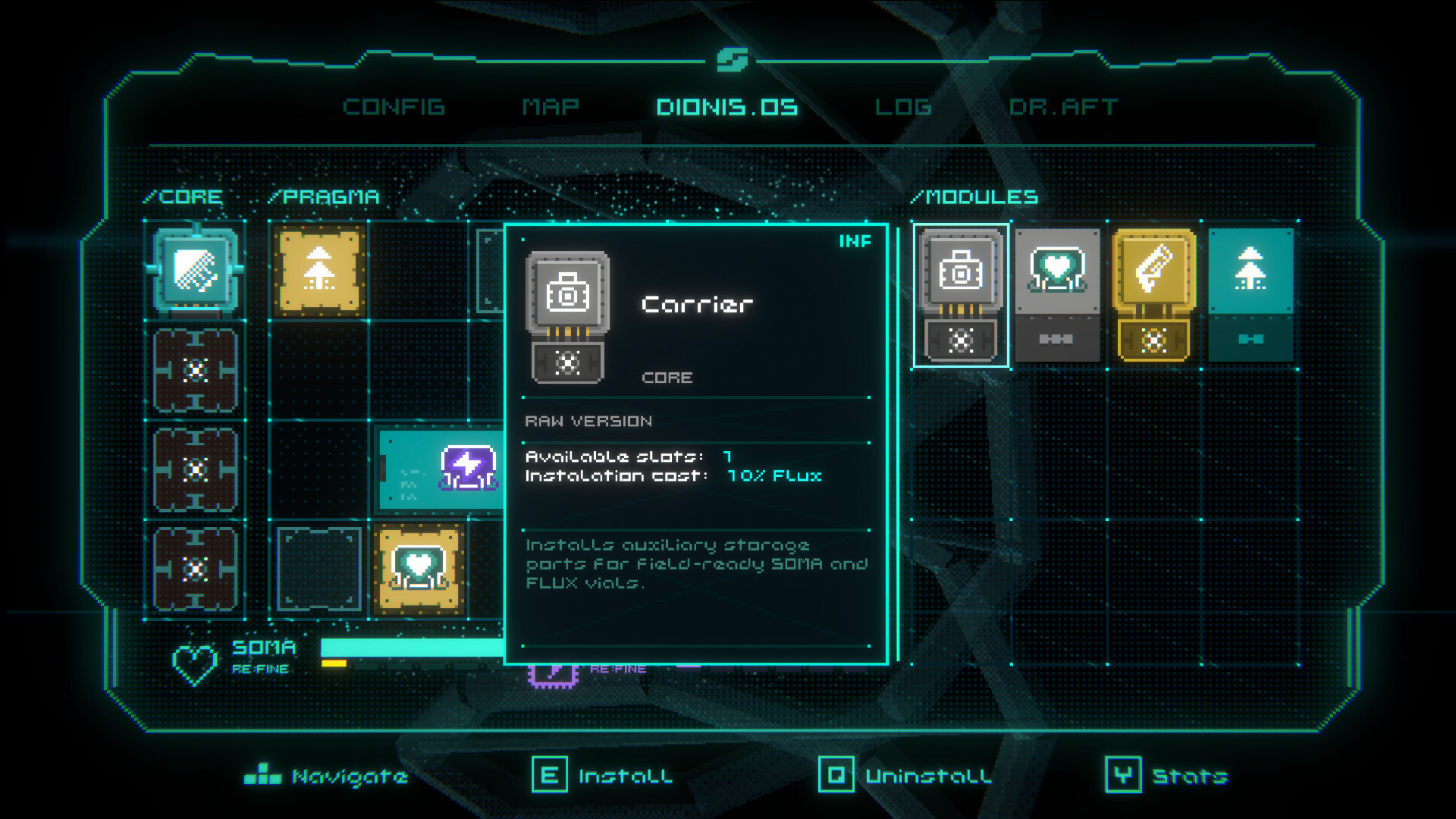
Your character grows across the whole game — you earn modules gradually, so you never have everything at once. They fit into a limited slot grid, and because you have more modules than slots, you choose your loadout to fit the moment: Zeus weapon modes, a shield, higher-tier modules. This isn't a roguelike — you lose nothing, you just decide what to bring.

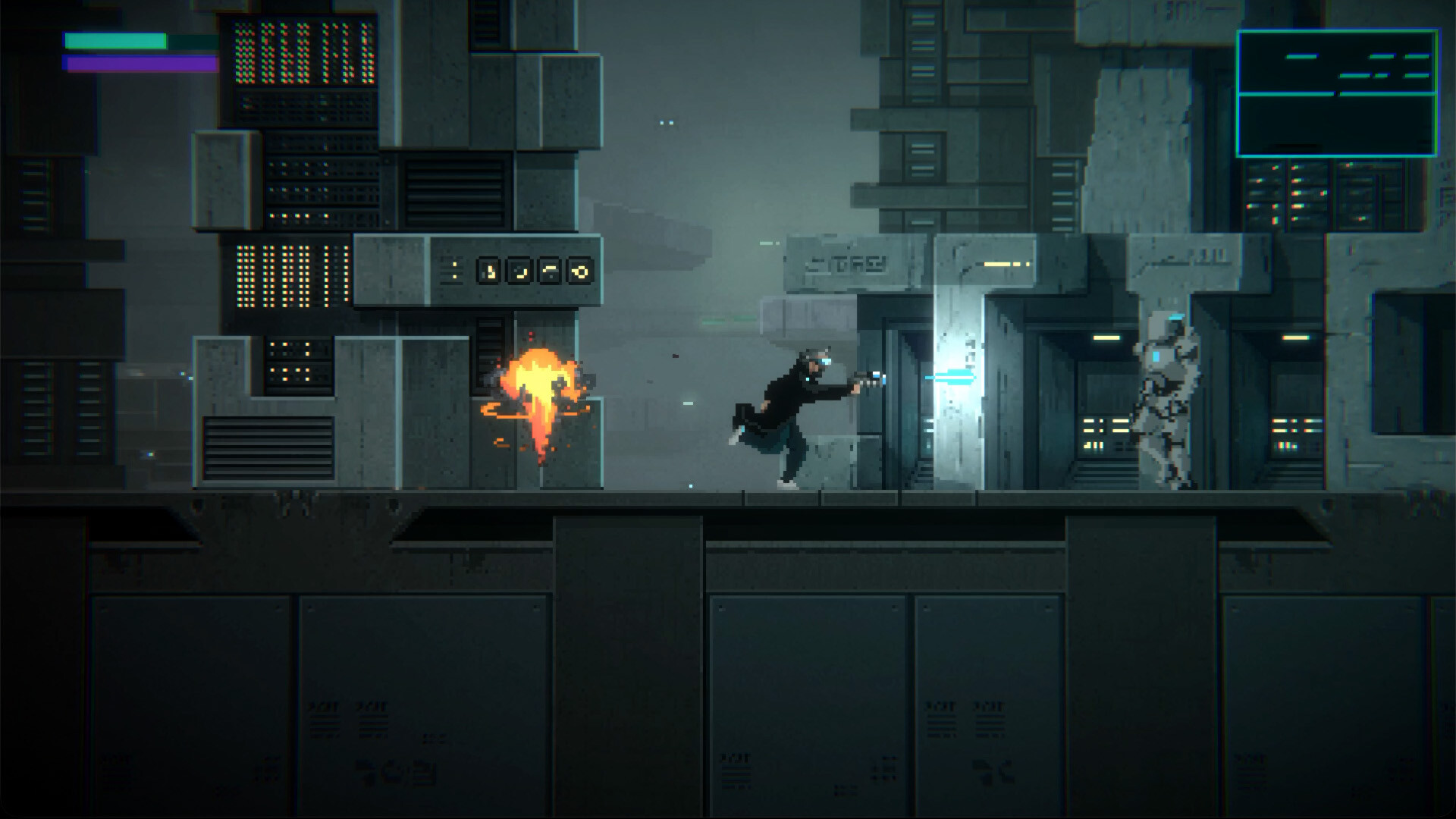
The more you uncover, the more closely The Spire watches you — and the tighter it closes in. The corridors you knew stop being safe. Combat isn't a reward, it's a price: you reach for a weapon because you're left no other choice.